Garage Doors in Cedarvale, OntarioNew siding.New door to match.
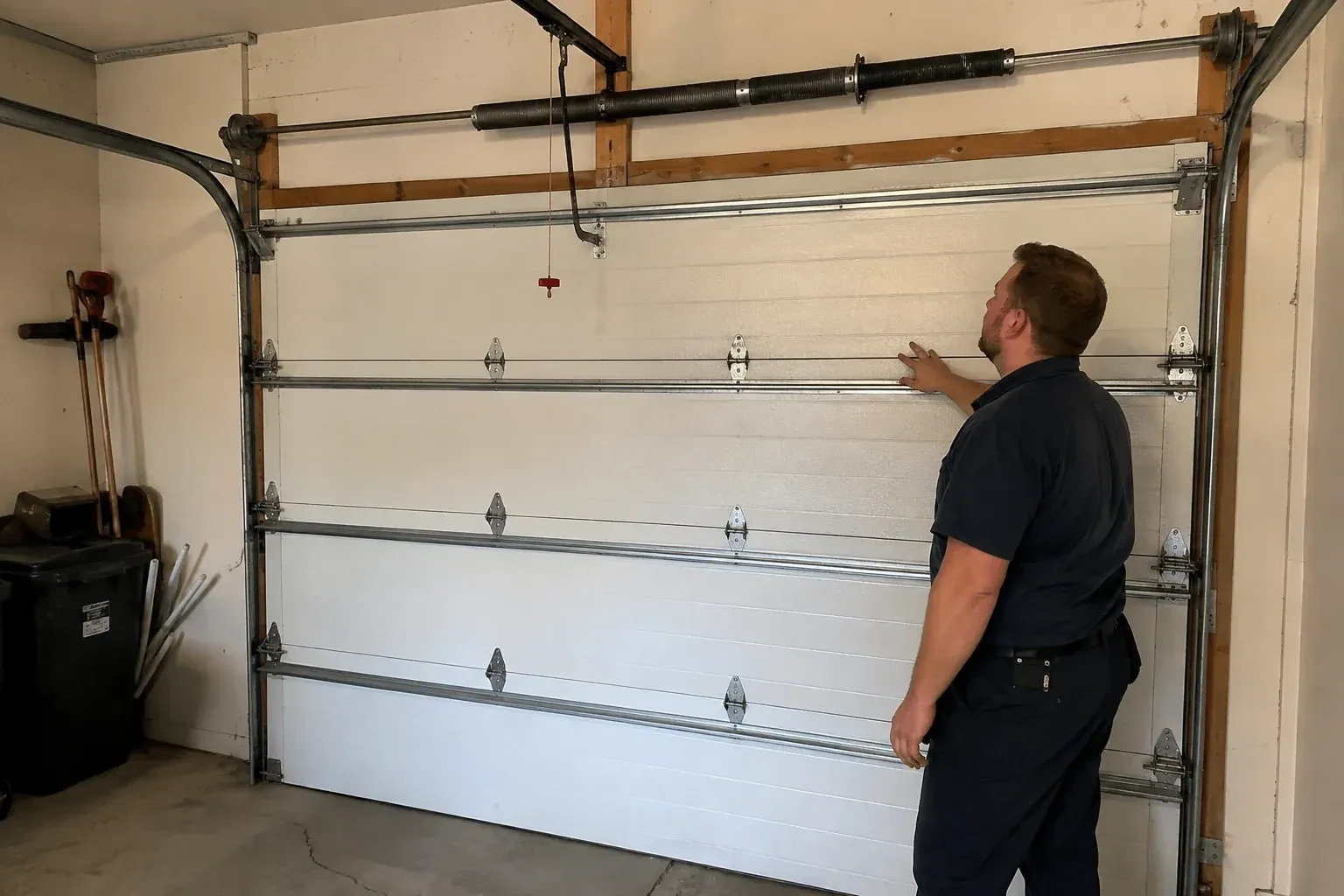
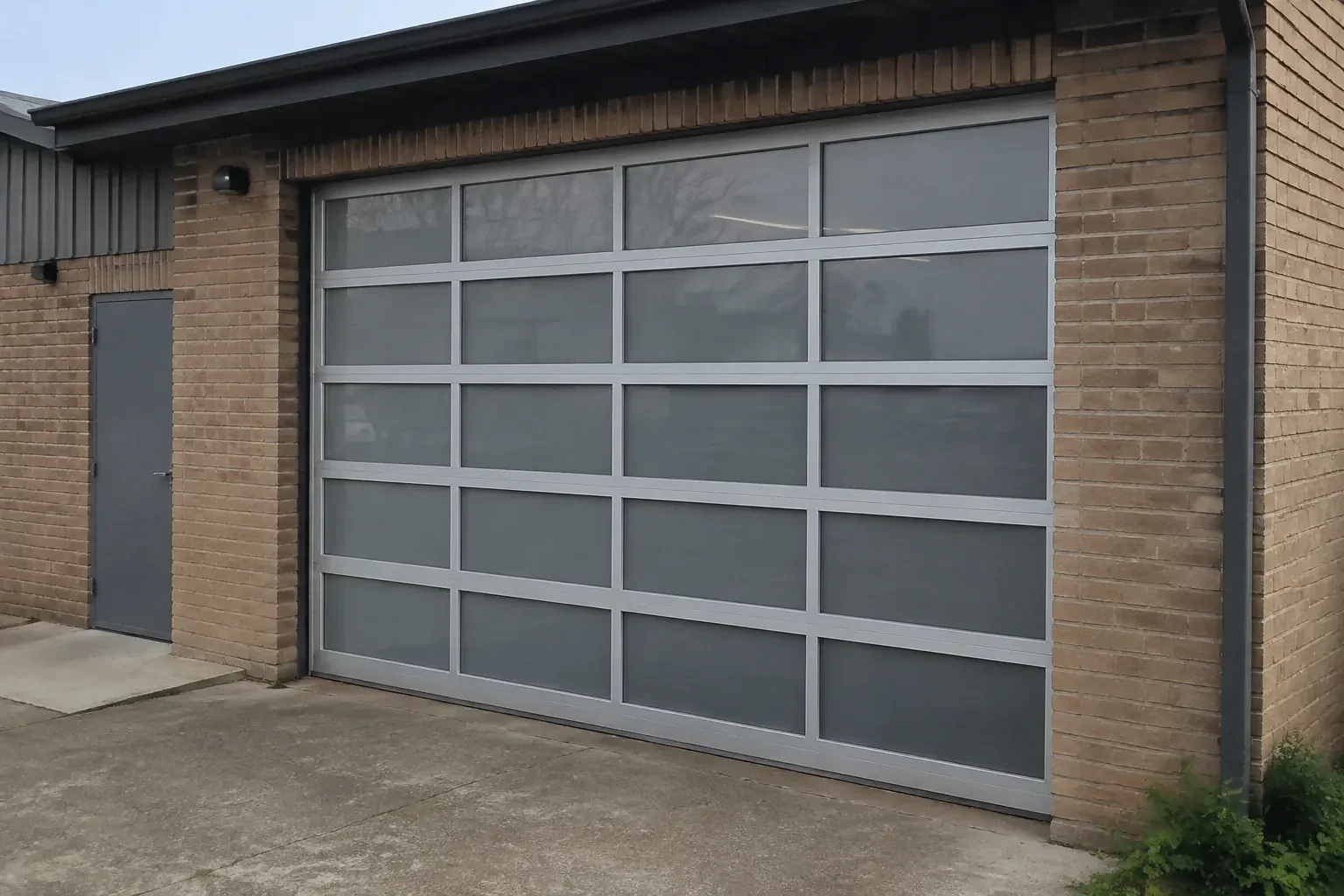
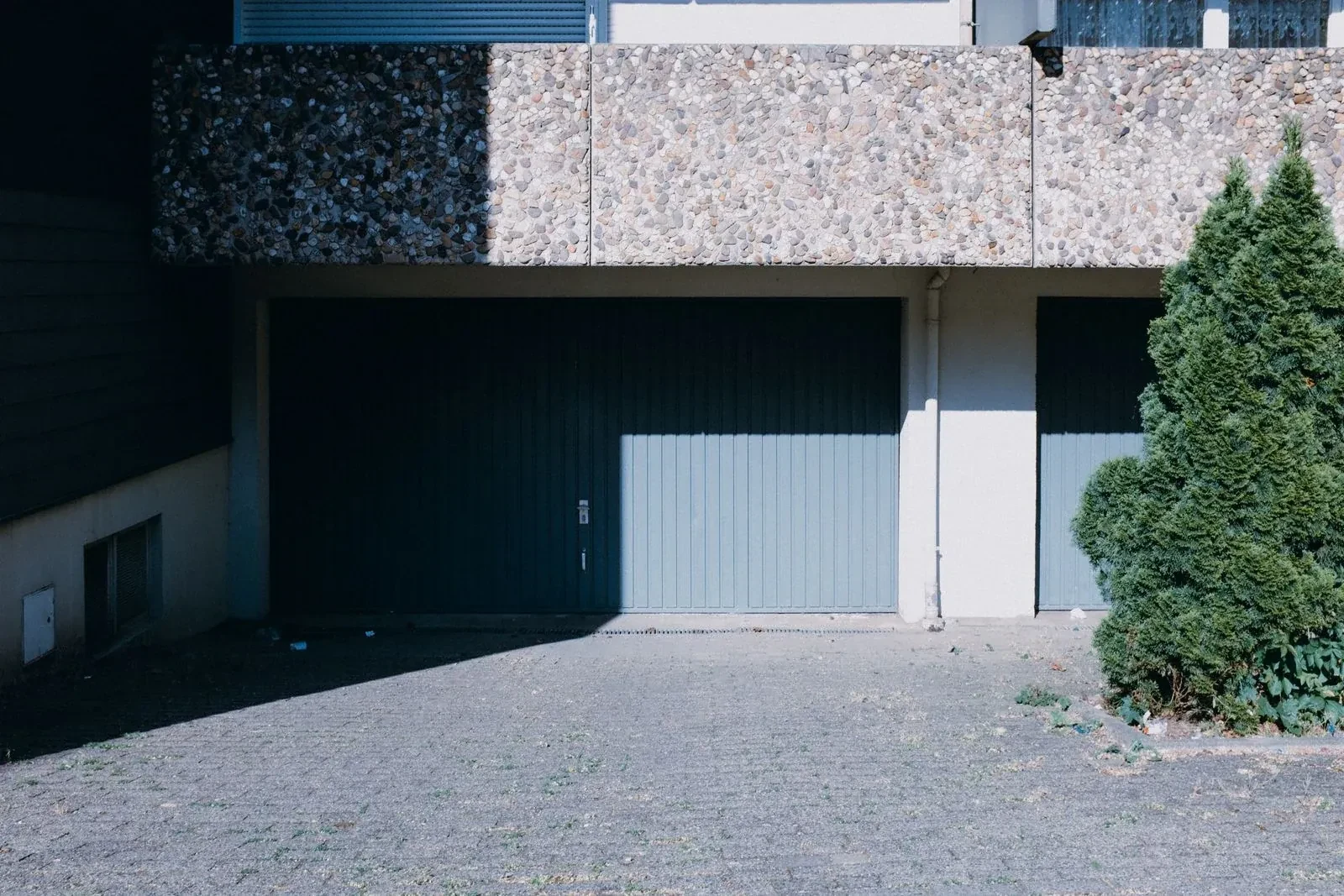
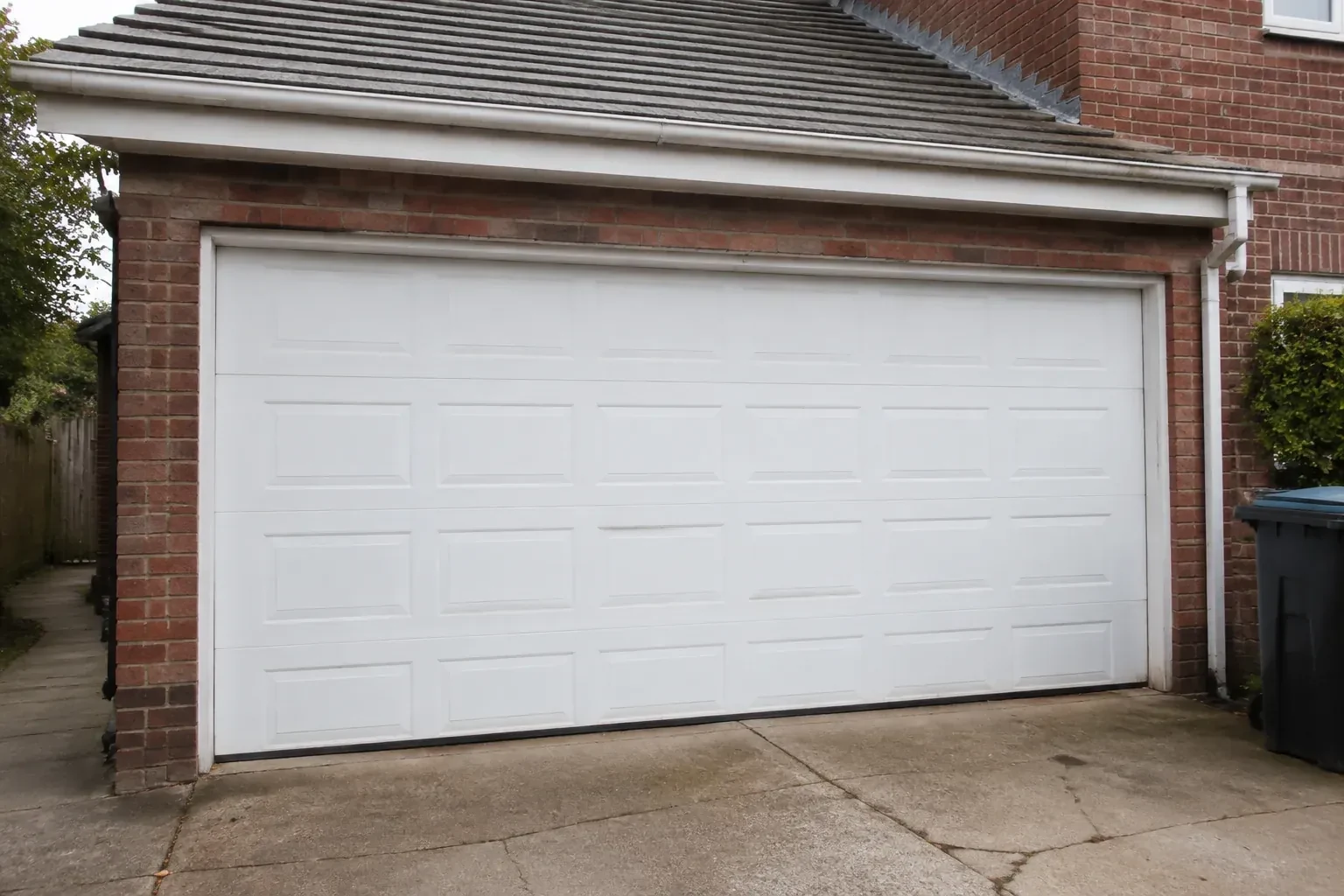
A renovation changes the face of a house, and the old garage door can suddenly look out of place. We help homeowners in Cedarvale pick panel styles, window inserts, colours and hardware that suit the new exterior, then install the door plumb and level so it looks intended rather than added.
A renovation changes the face of a house, and the old garage door can suddenly look out of place. We help homeowners in Cedarvale pick panel styles, window inserts, colours and hardware that suit the new exterior, then install the door plumb and level so it looks intended rather than added.
Balanced, quiet and ready for winter.
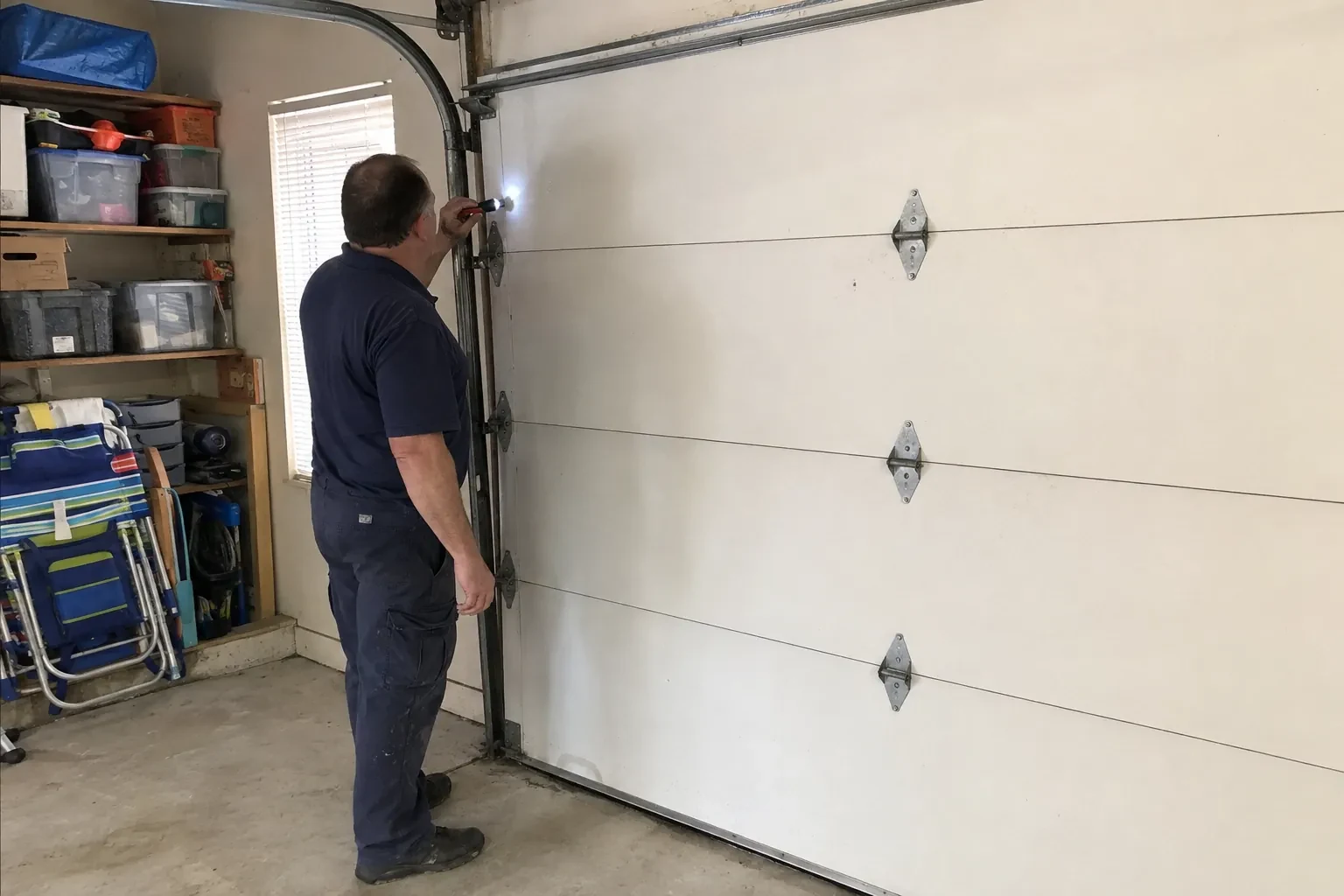
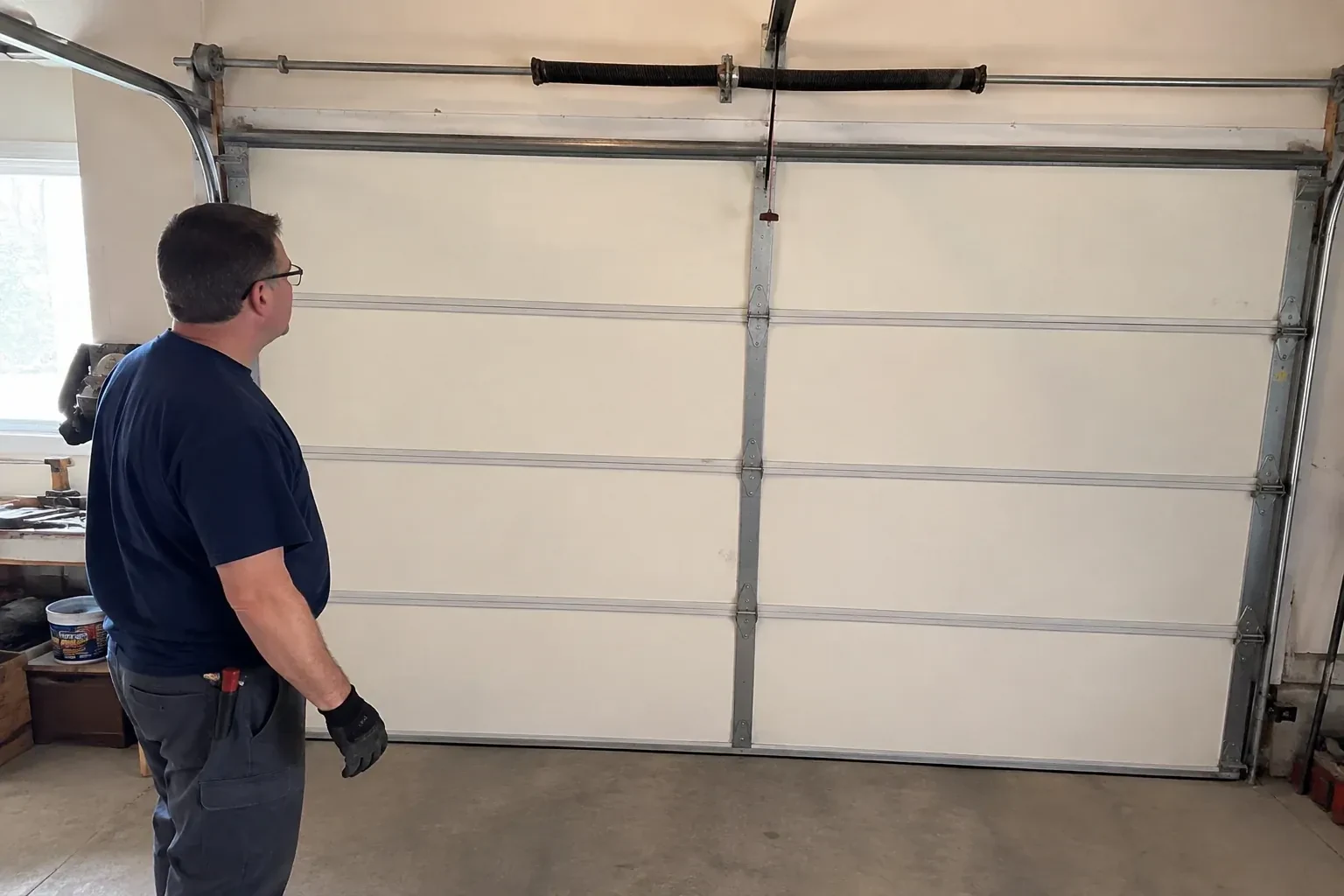
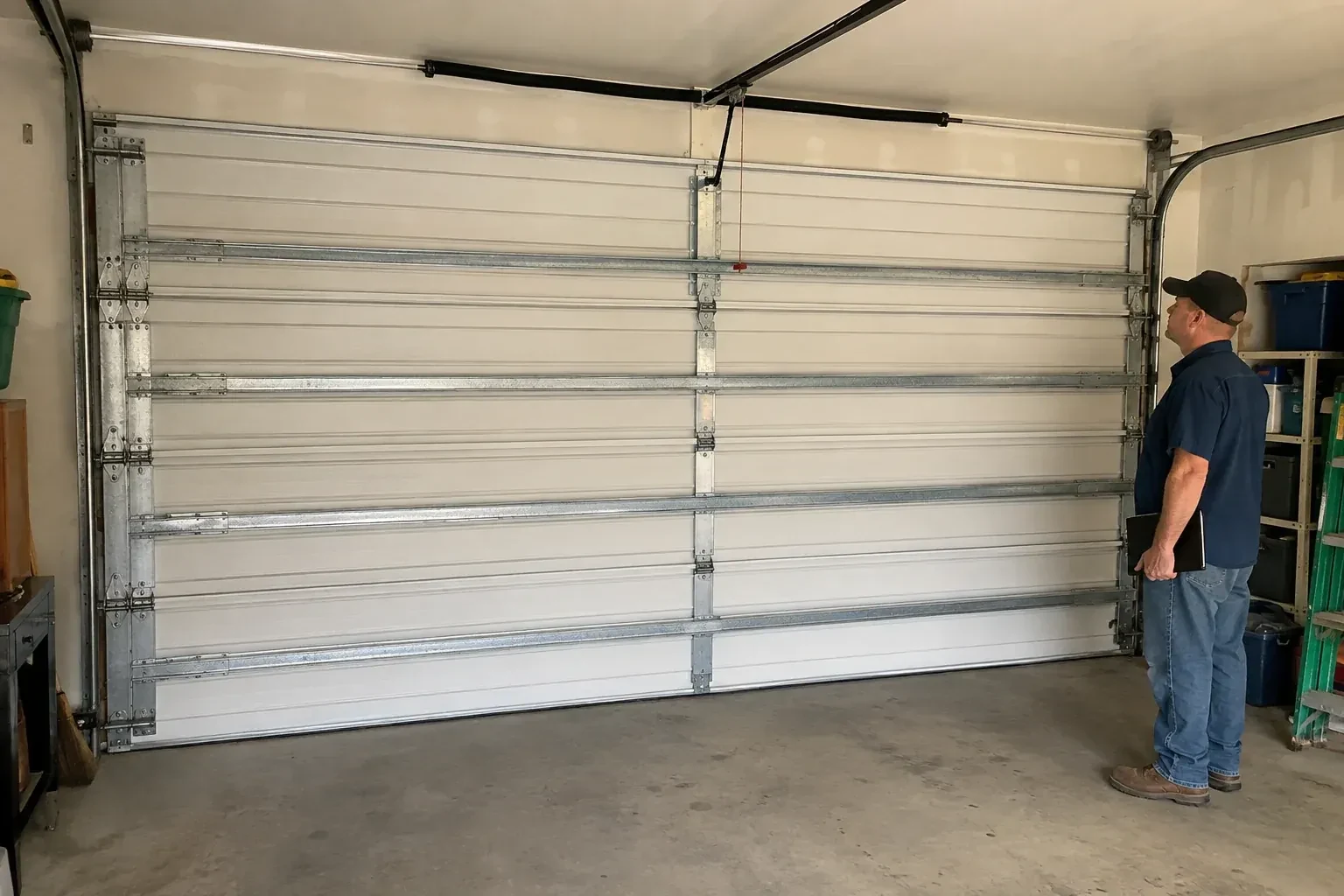
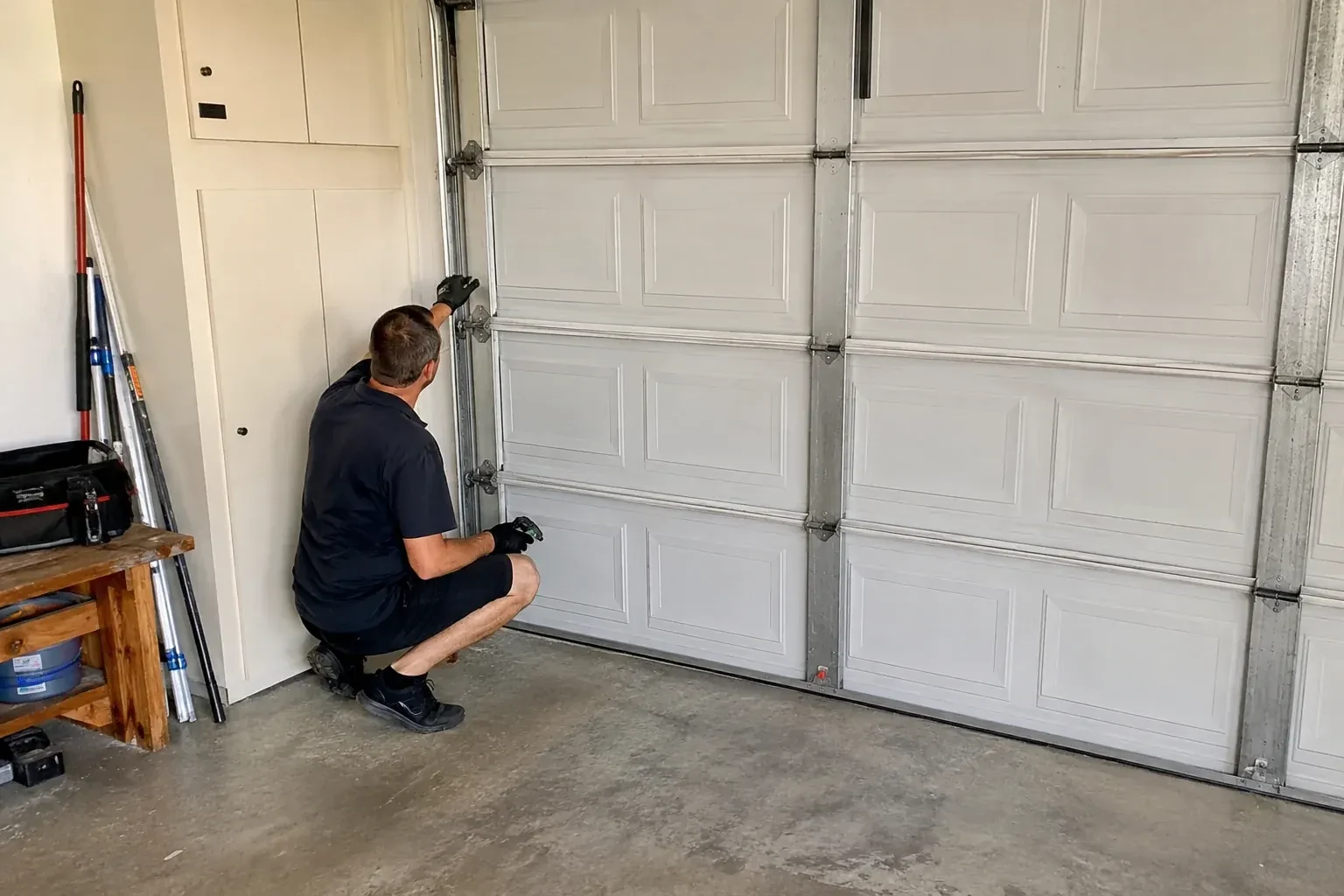
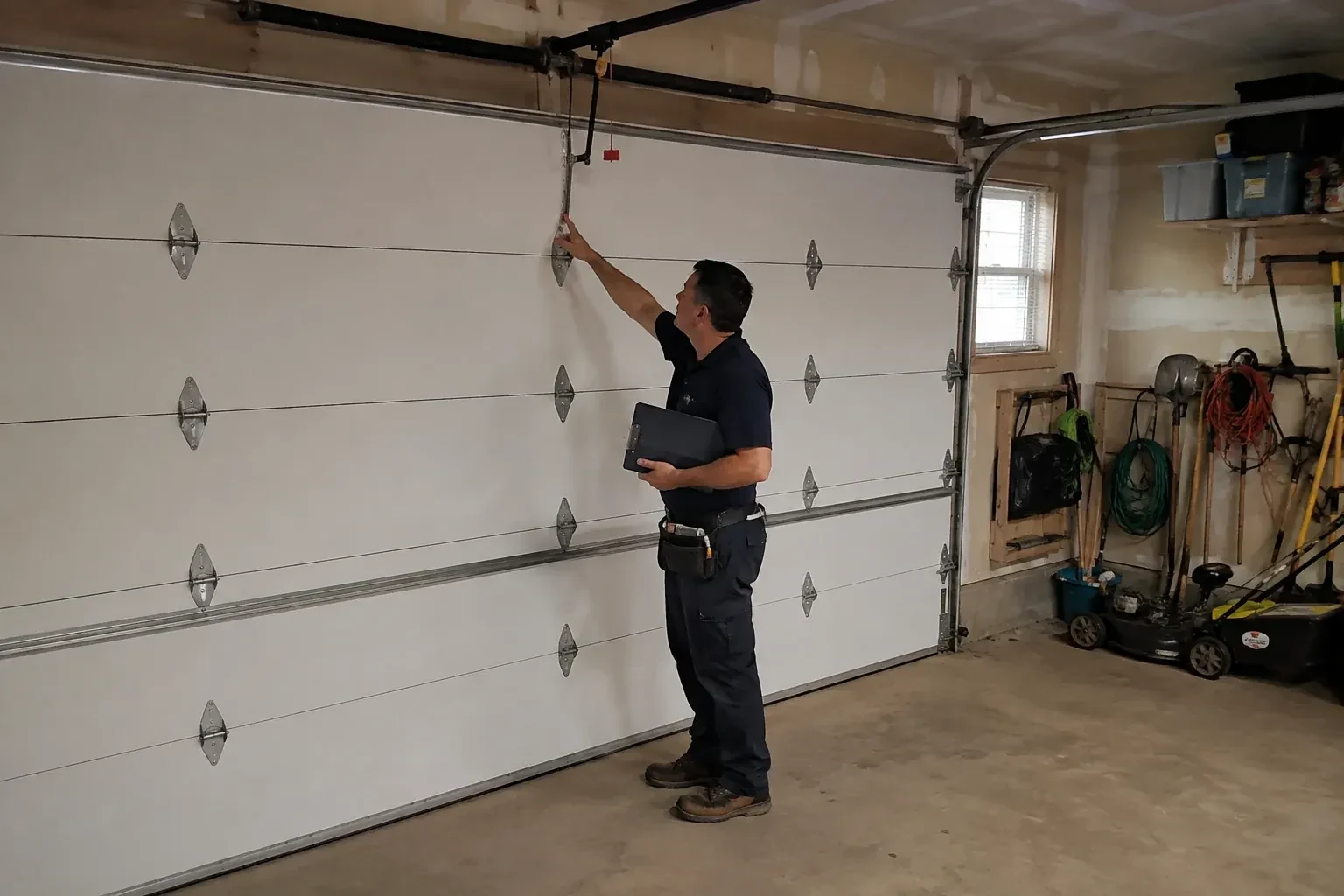
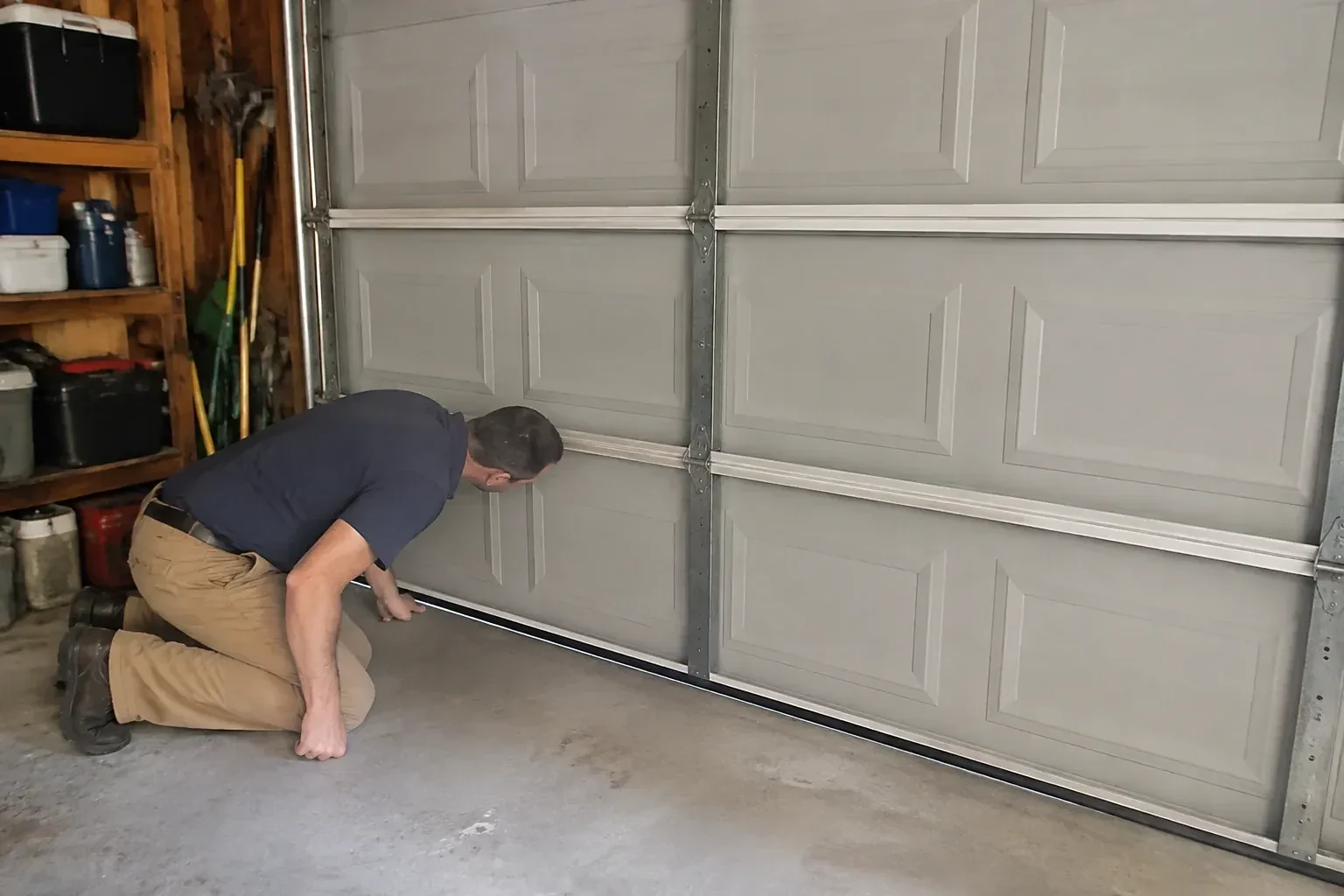
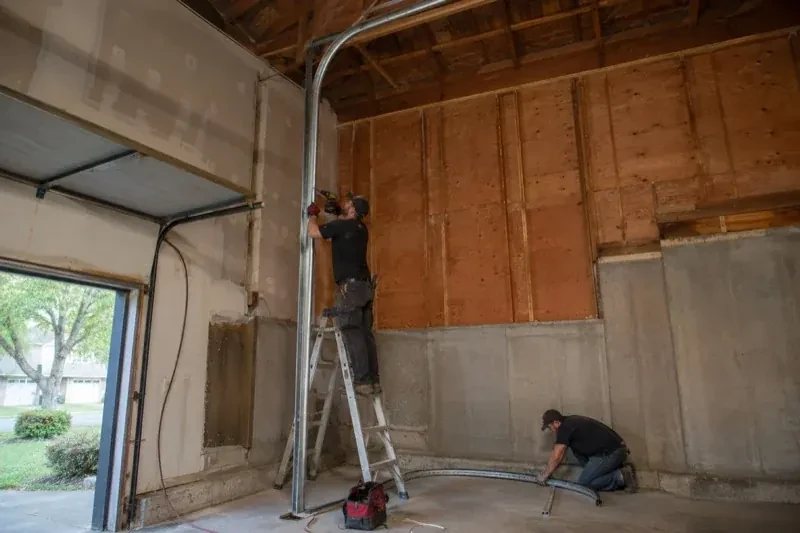
For customers in Cedarvale the sequence is always the same. Assess the door in person. Explain what was found and why. Price the options on site. Do the agreed work with the door secured and the right tools. Test every part of the travel. Show you what changed. Then clean up and go.
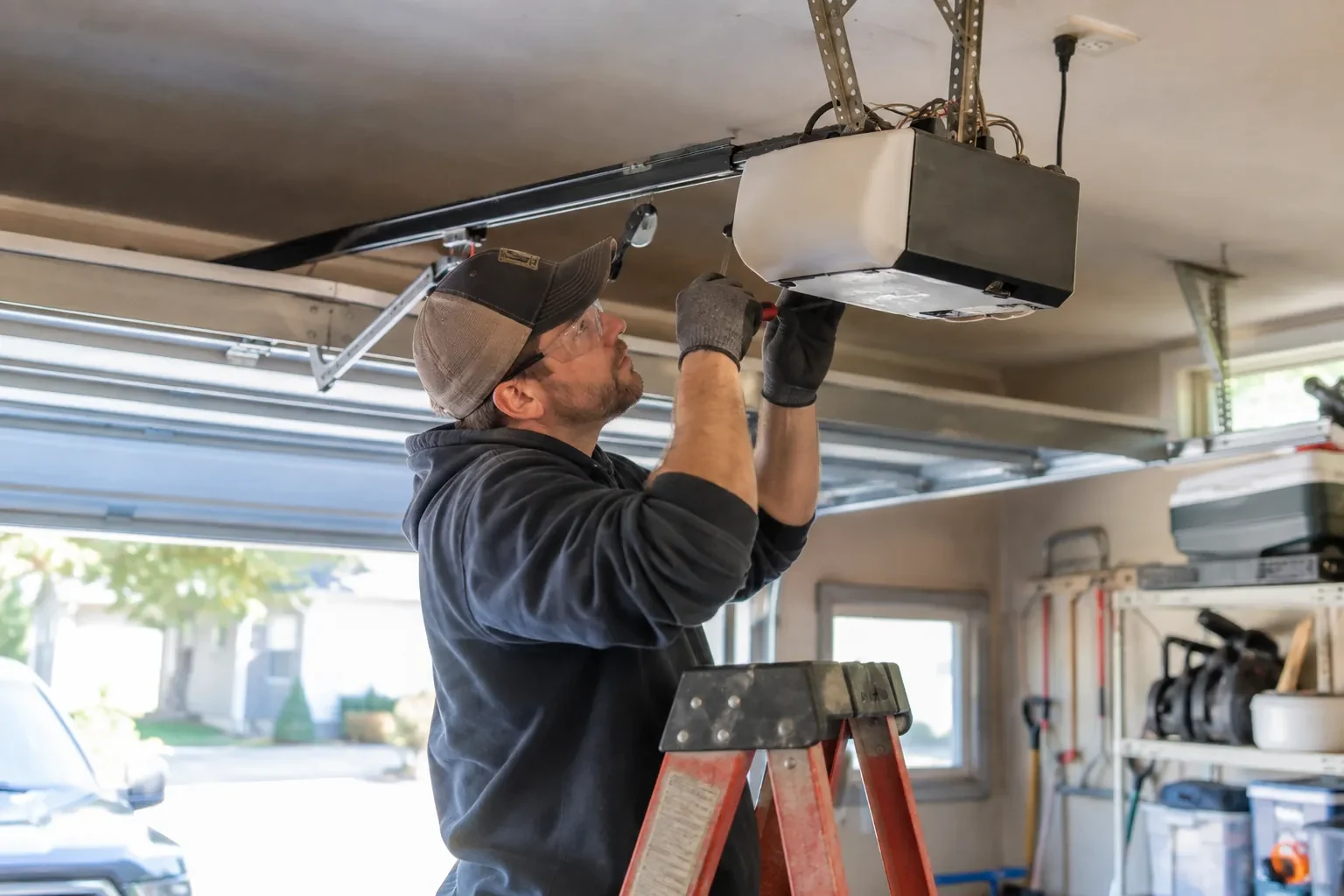
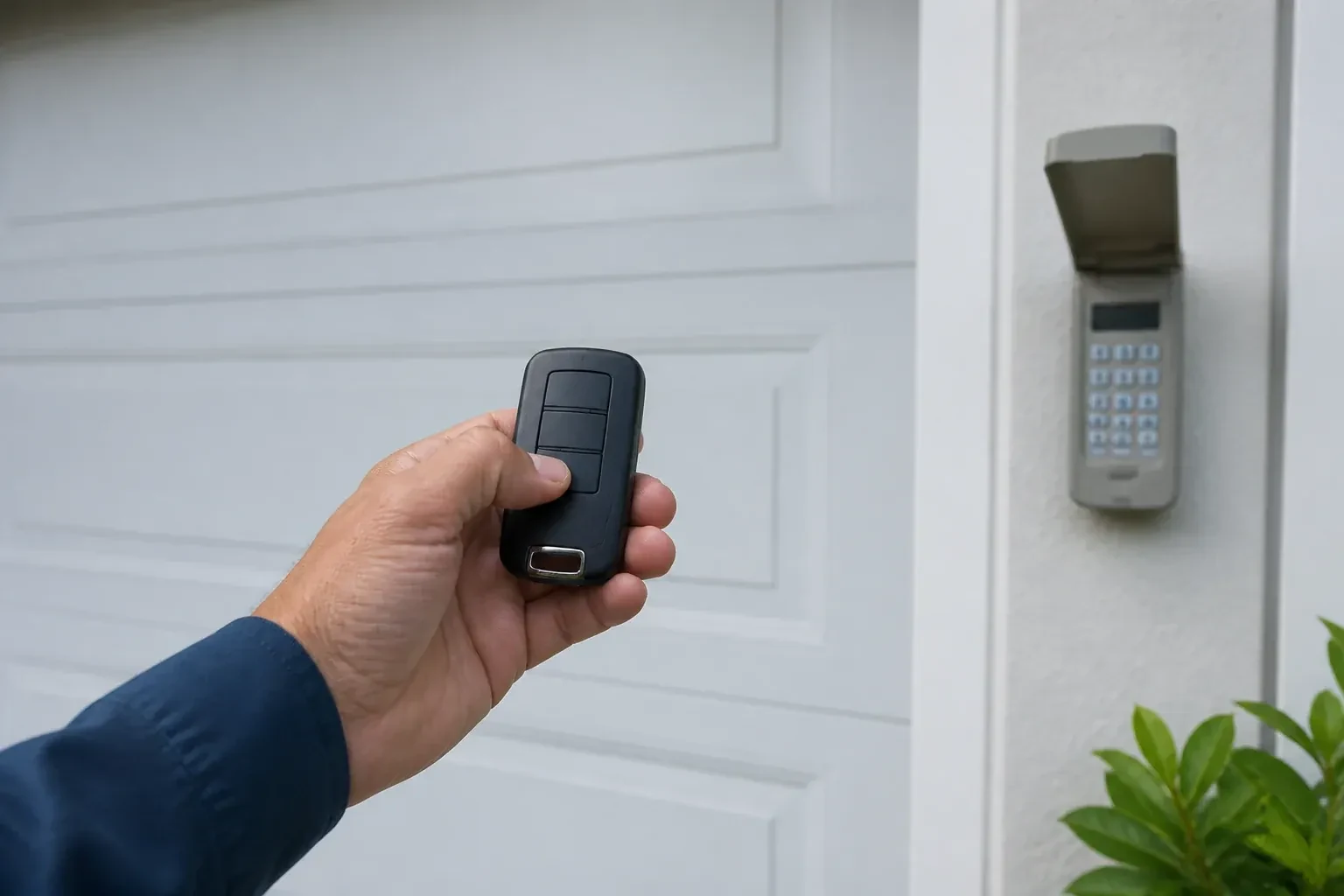
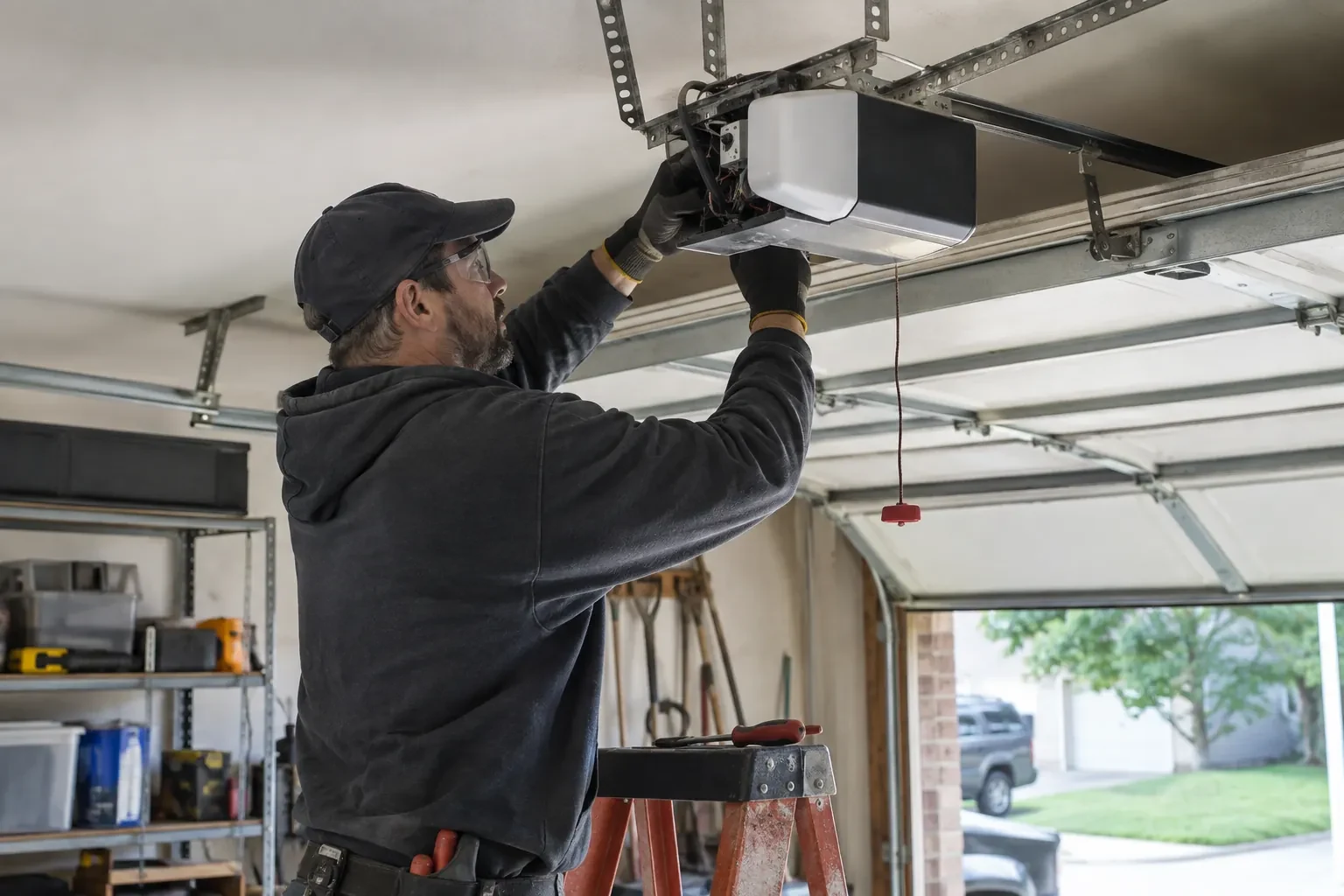
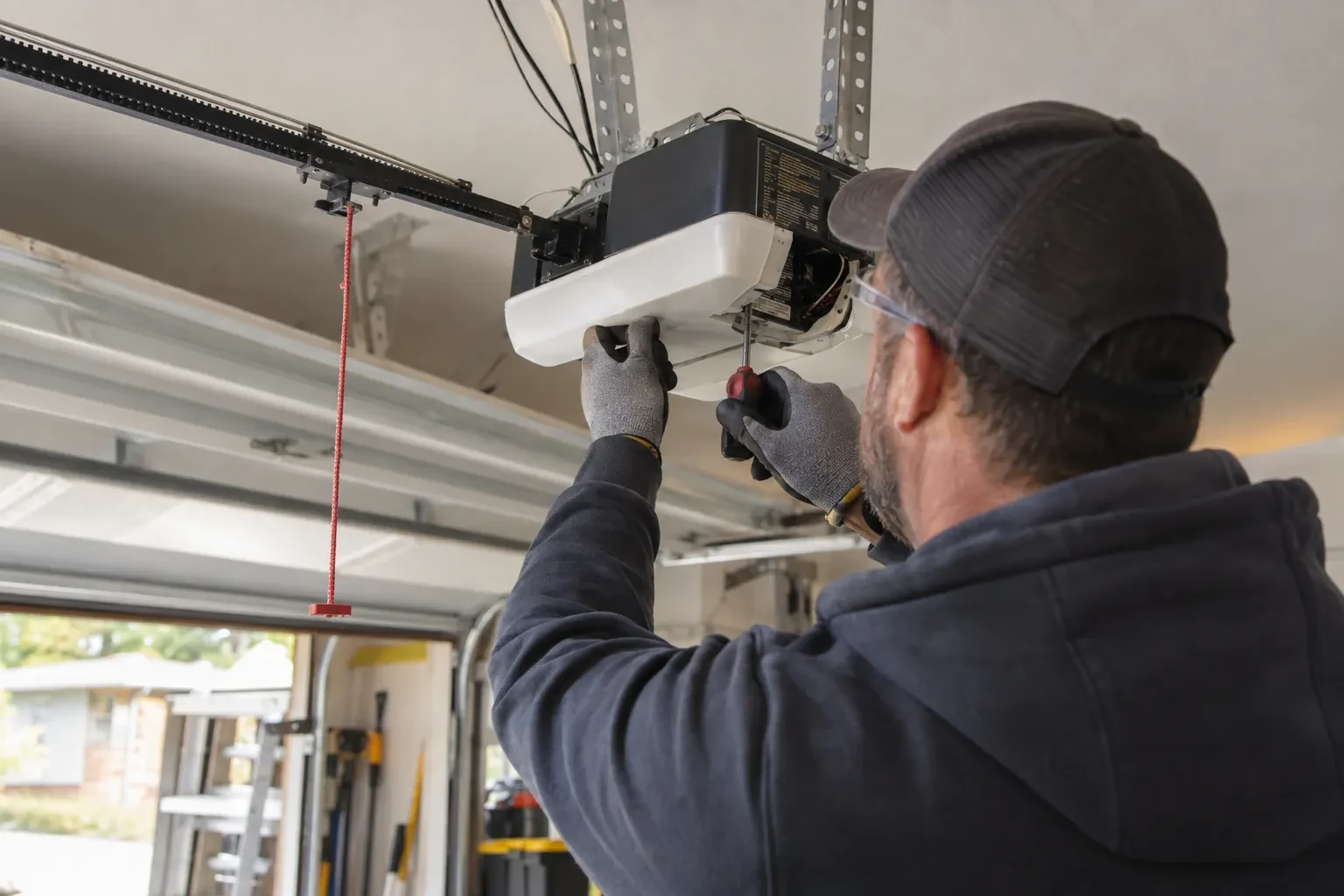
Homeowners across Cedarvale call us when the remote stops answering, the keypad forgets its code or the opener hums without lifting. We work through the system in order, from power to logic board to travel limits to sensors, and explain each part as we go. New openers are installed and fully set up, with every remote and keypad working before the technician leaves.
26years in business
24/7open every day
Nothing hidden. Every part we replace, you can see. Every adjustment, we explain. If we find something unexpected, we stop and tell you before continuing.
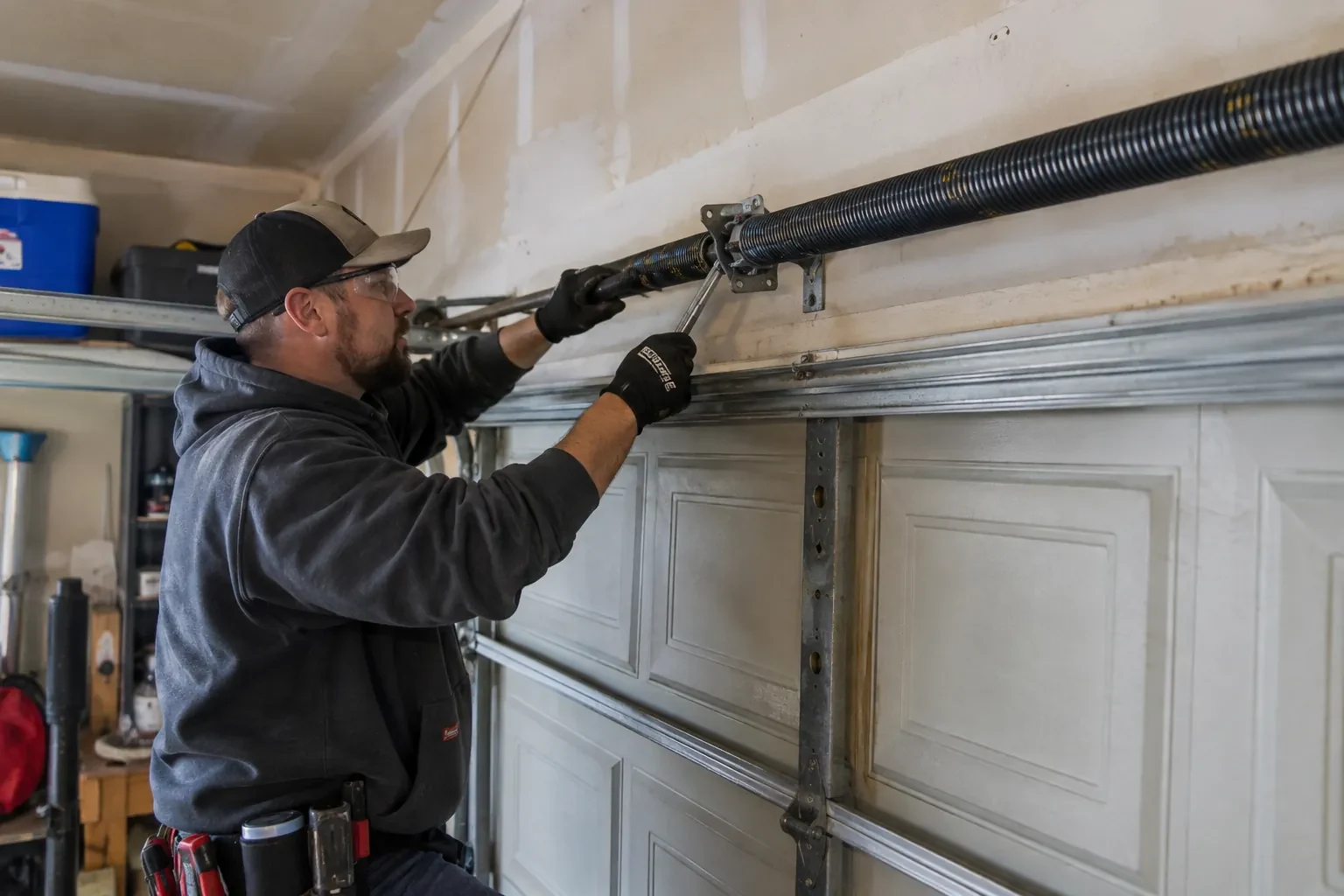
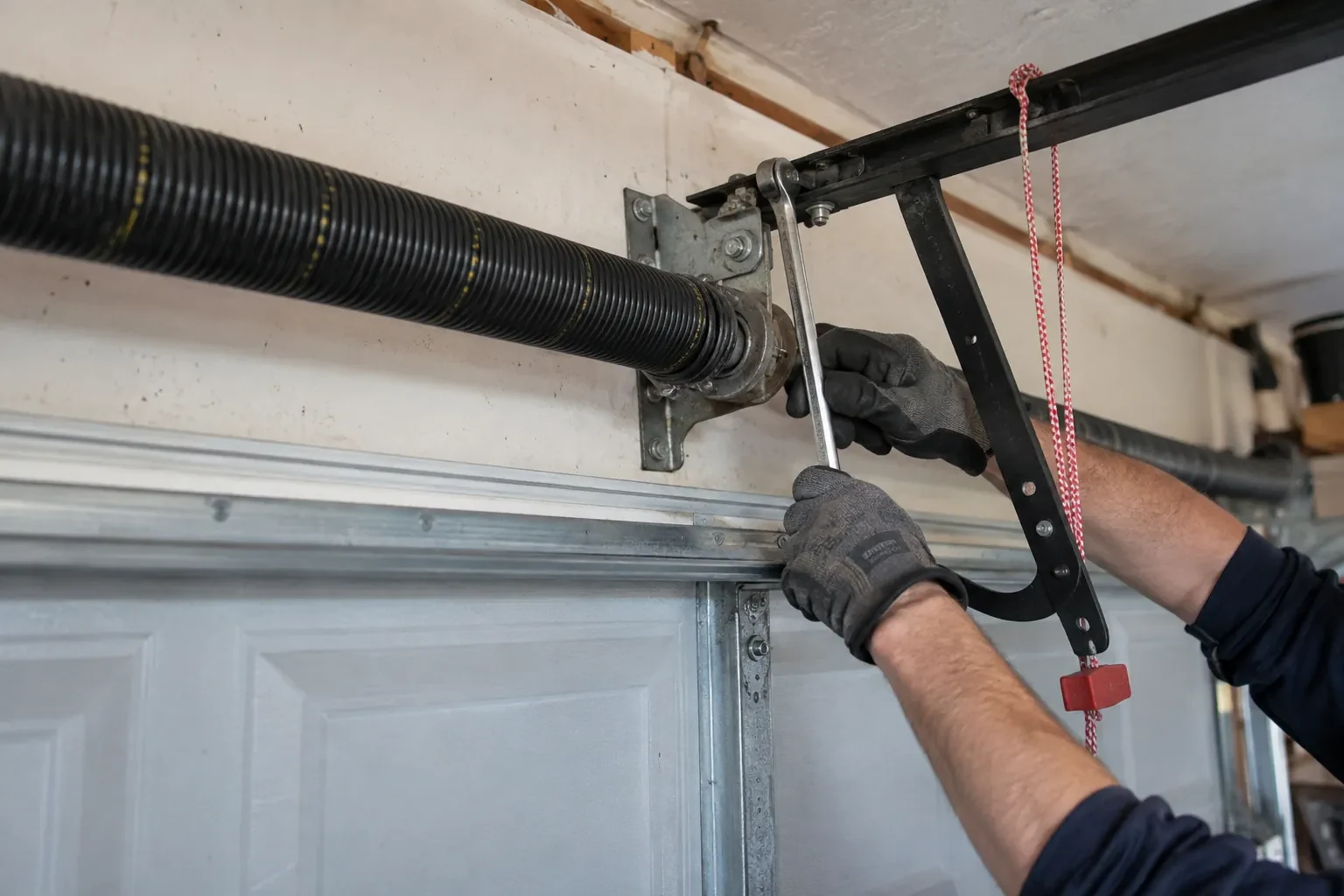
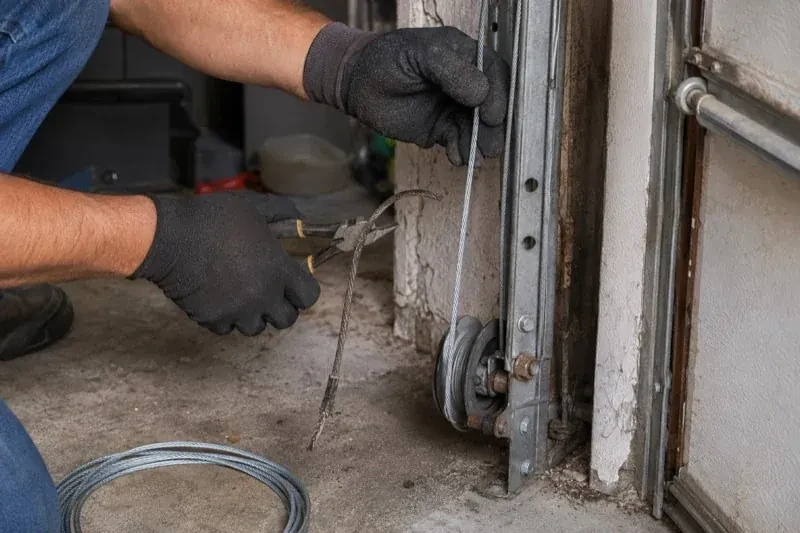
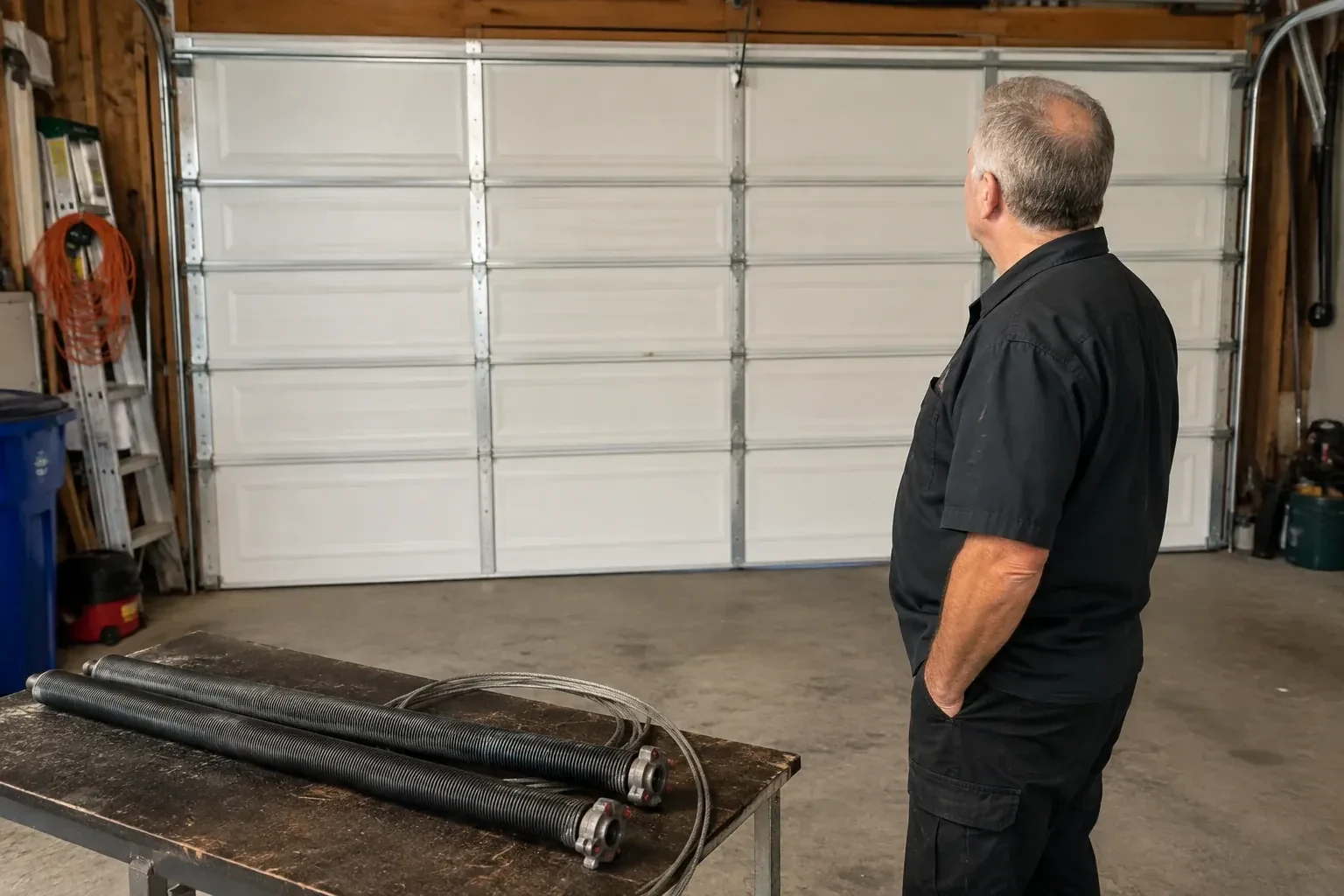
Care with heavy parts. Springs and cables are handled with the right tools and a steady method, and the door is secured before any tension is released.
Clear about what comes next. Before we leave, you know what was done, what to watch for, and when the door might want attention again.
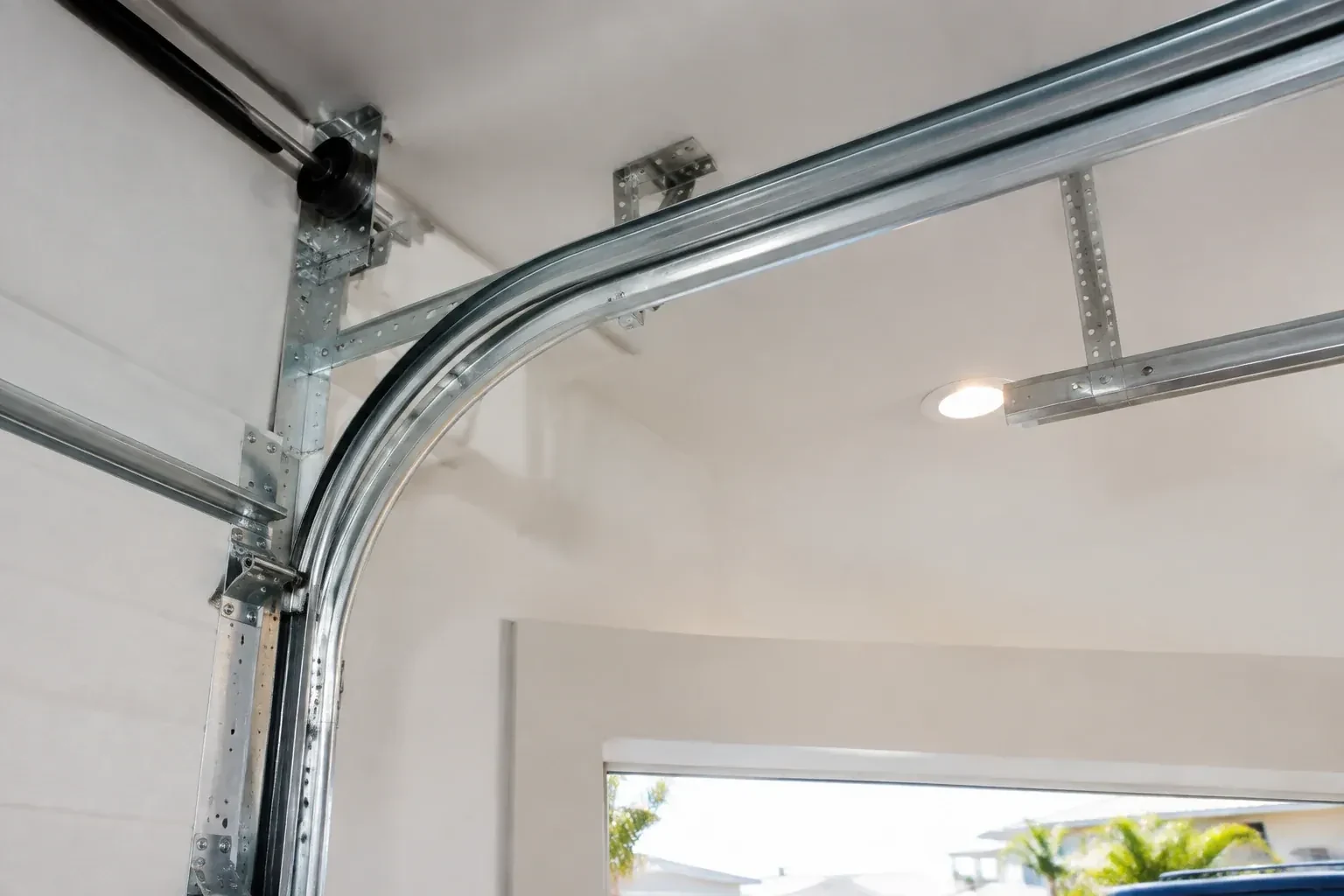
Garage door work for Cedarvale divides neatly into what we fix, what we replace and what we install. We fix tracks, hinges, openers and panels; we replace springs, cables, rollers, seals and sensors; and we install new doors, new openers and access equipment such as keypads and smart controllers.
About 58% of homes in Toronto were built in 1980 or earlier, according to the 2021 Census.
Older homes
Older garages tend to have lower headroom and narrower single openings, so replacement doors and openers are chosen to fit the space rather than the other way round. Measuring the header, side room and ceiling depth is the first step on every one of these visits.
Single-detached houses make up about 23% of homes in Toronto (2021 Census).
In attached housing, a resident's remote or fob may open both their own door and a shared gate, and lost devices are a real security concern. We clear old codes from the operator, program replacements, and explain to management how to keep the access list current.
You tapped the door with the bumper while backing in, barely a nudge, and now the bottom corner has swung inward. One roller is dangling outside the rail, the section is twisted, and the door will neither rise nor settle flat.
Rust has crept along the bottom edge of the lowest section. What began as bubbling paint is now a soft, flaking strip, the seal retainer is working loose, and a screwdriver pressed against the worst spot goes through the steel.
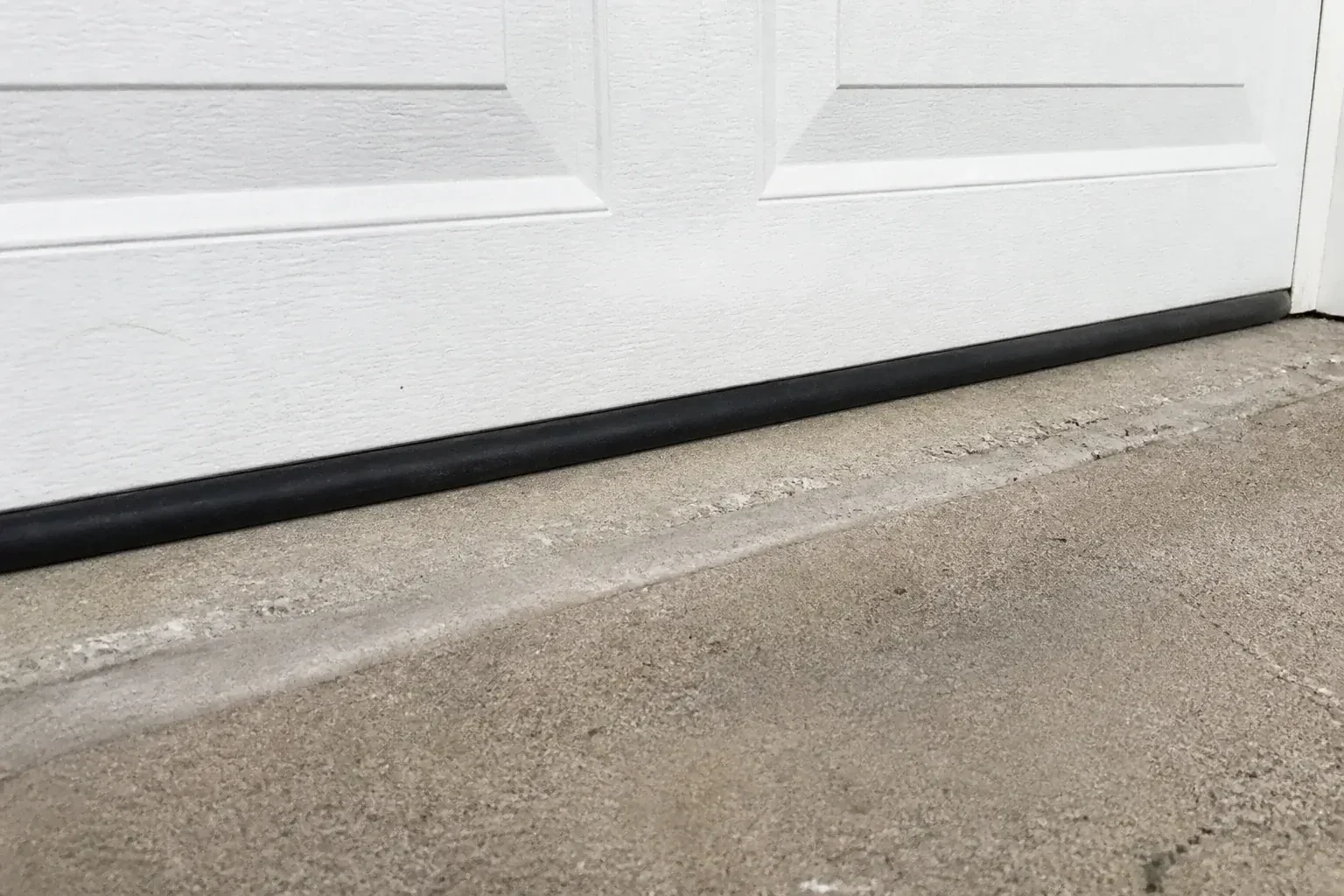
Every mild afternoon the snow melts off the car, runs to the door, and by morning the rubber strip along the bottom is frozen to the concrete. Last week the opener lifted the door and left half the seal on the floor.
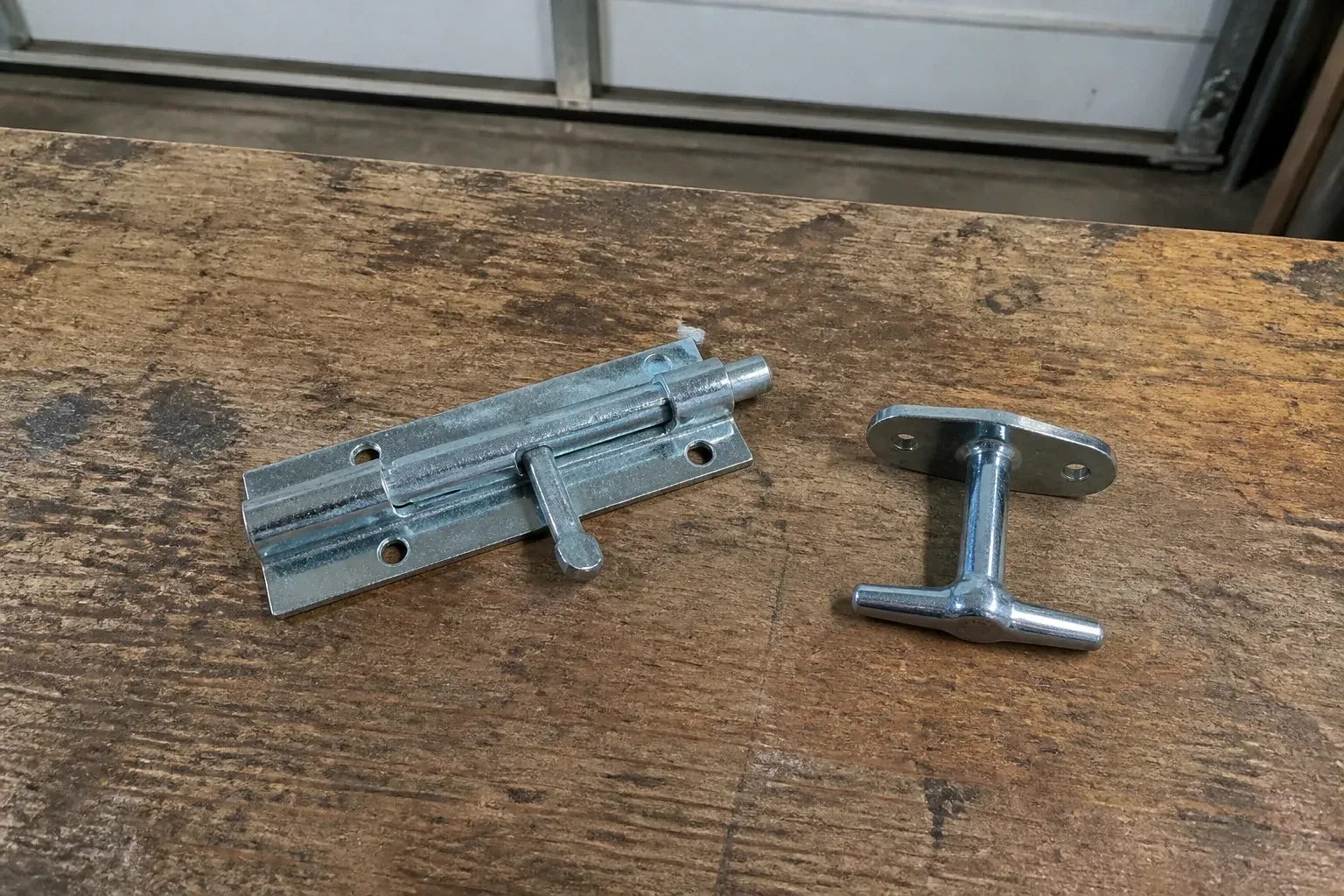
The power is out in a storm, you pulled the red cord and lowered the door by hand, and now you want to lock it. The slide bolt on the inside edge is welded in place by years of rust and refuses to budge.
Halfway up, the door hesitates and the opener strains before it carries on. Pulled by hand with the opener released, you feel the same catch at the same height, as if a wheel is dragging instead of turning.
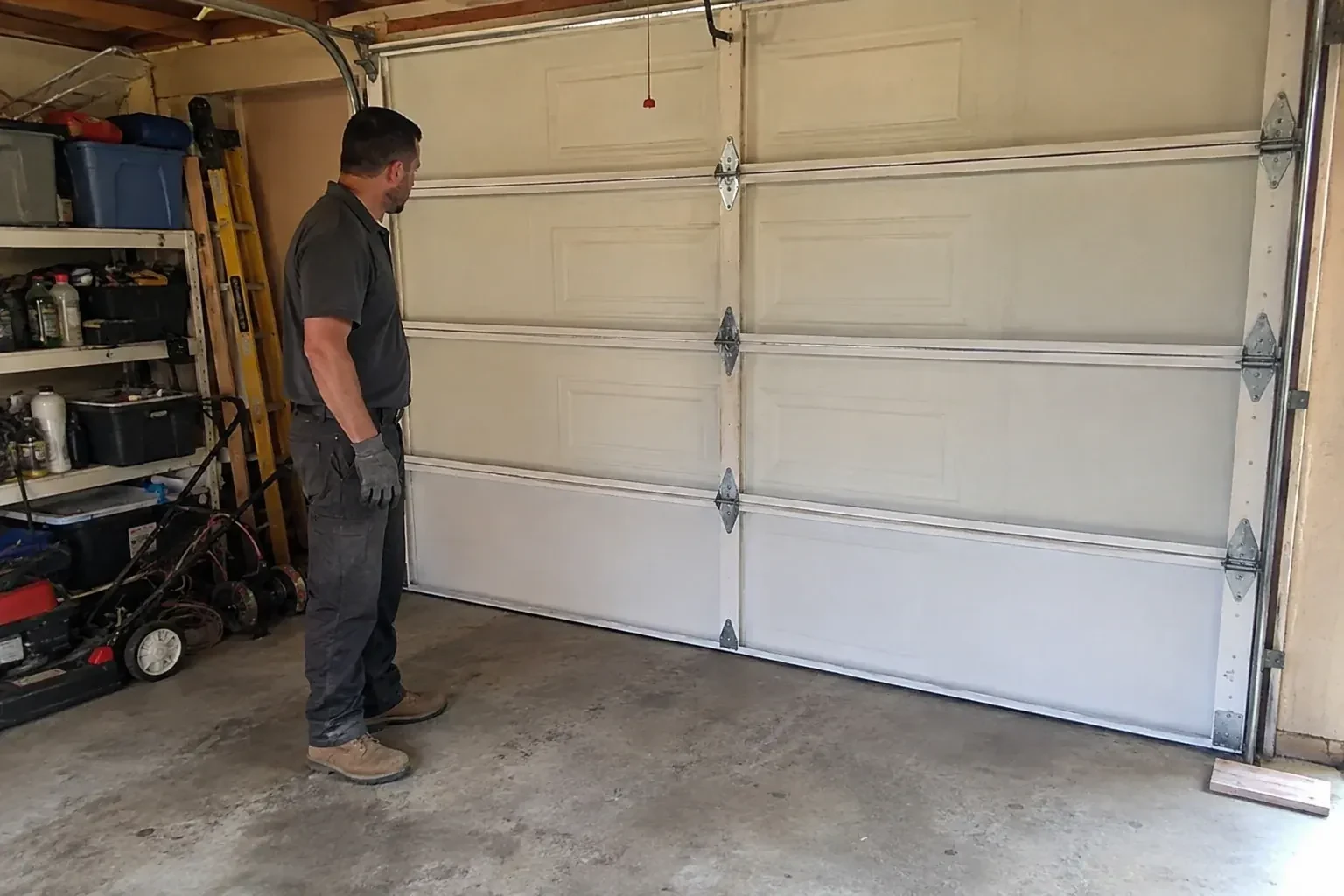
With the door closed, daylight shows under one bottom corner and the seal is squashed flat at the other. As it rises, the left side leads by an inch or two, and the top section twists slightly as it turns into the horizontal track.
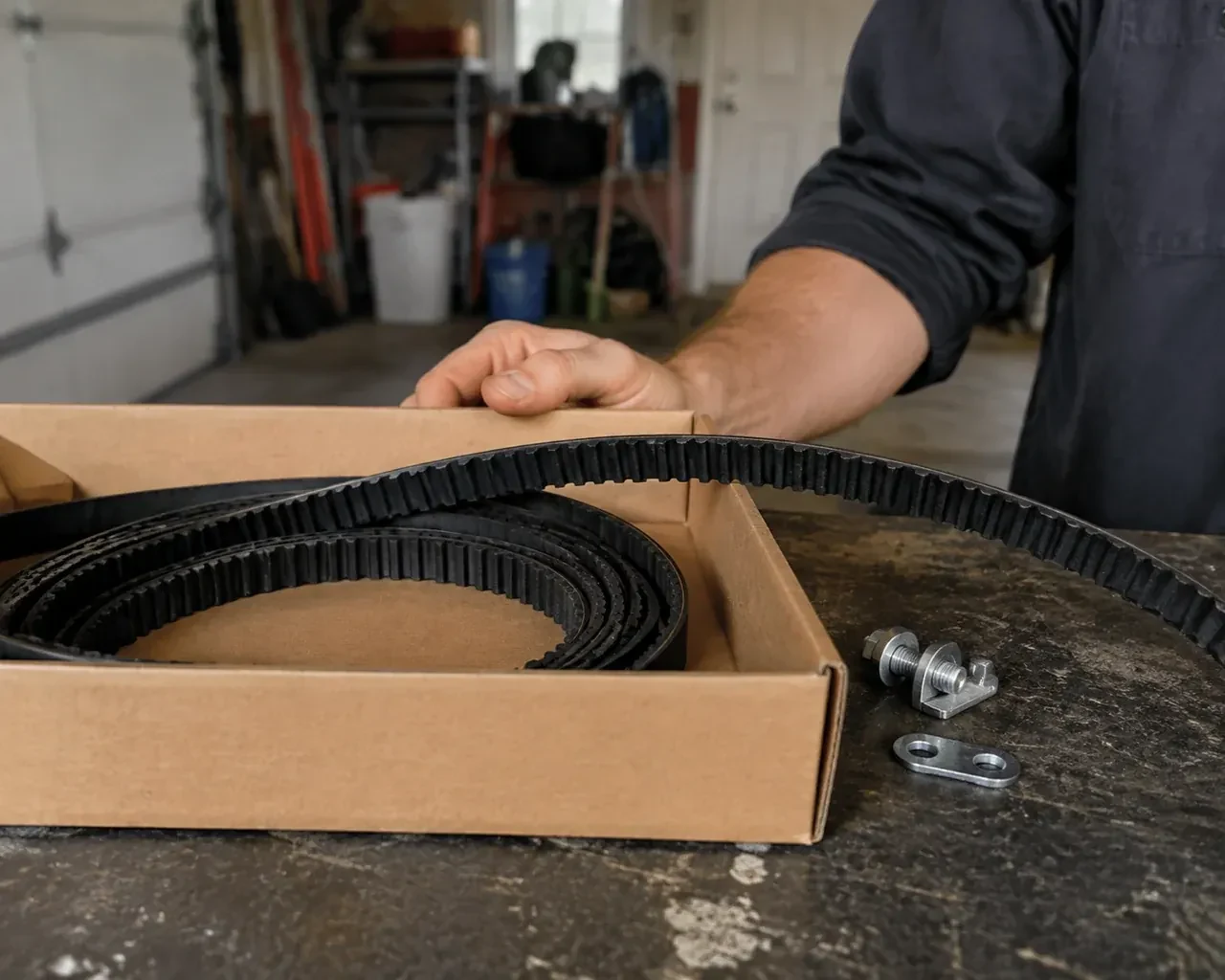
There is a new squeal from the front of the rail, up near the header, on every cycle. The belt has started tracking to one side and its edge is fuzzy where it has been rubbing.
Your remote was in the visor when the car was broken into last night. So was the insurance slip with your address on it. The door still answers that remote, wherever it is now, and you would very much like it not to.
Your building designer has supplied positive and negative pressure values for the garage opening. The old door was selected years ago without that documentation, so the next step is a replacement whose full configuration can be matched to those criteria.
A heated garage feels cold beside its ageing door each winter. You are considering insulated glazing, improved seals and a frame option suited to the room rather than choosing on appearance alone.
The right door for this climate has insulated sections, seals that stay flexible in the cold and hardware that shrugs off salt. Those are the qualities we look for when helping you choose, and the ones we install for.
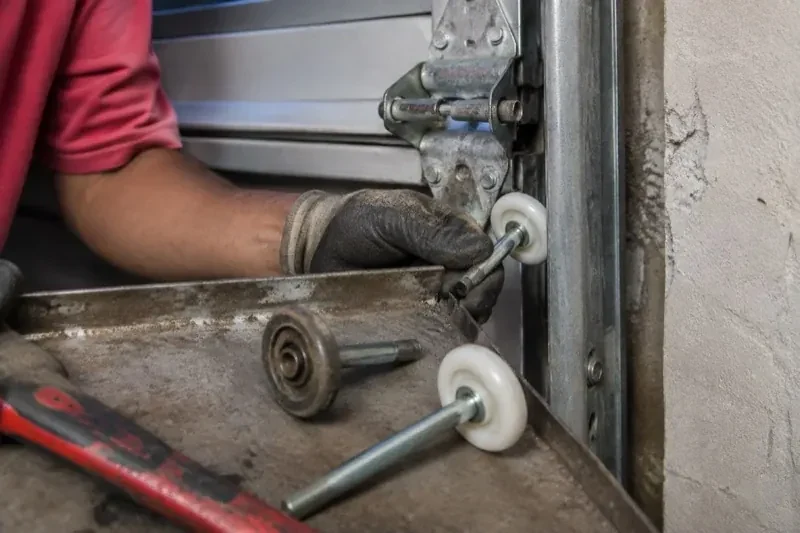
Rollers turn thousands of times a year while carrying part of the door's weight, and their small ball bearings wear, fill with grit or fall out. Nylon tires can crack and steel wheels can wear flat spots or grind down to the stem. A worn roller squeals, wobbles in the rail or lets the door shudder at the curve. Replacing them as a set restores a quiet door and removes a common cause of a roller dropping out.
Can a section with windows be replaced, or windows added?
Yes on both counts, within what the manufacturer offers for your model. A damaged glazed section is ordered as a glazed section, with the frame style and glass type specified. Windows can also be introduced by ordering the replacement, usually the top section, in a glazed version. Bear in mind that a glazed section can weigh differently, so spring tension is checked, and that the window frame style should be chosen to suit the door's panel design.
How do I know which size and type my door takes?
Look at the end of the bottom section for the metal or plastic strip that holds the seal. Count the channels, note whether they are slotted or rounded, and measure the distance between them and the width of the door. A photo of the end of the retainer and one of the seal's cross-section is usually enough for the technician to identify the profile before the visit and bring the right roll.
How long does a manual lock repair usually take?
An adjustment to a slide bolt or a guide is a short job, while a full T-handle replacement with new bars, a rekey and a door alignment fills a longer visit. Most calls sit somewhere between, and the technician gives you a realistic sense of the time once the door has been looked at, rather than guessing from the phone.
My door is heavy insulated steel. Which rollers suit it?
A heavier door needs rollers with a load rating to match, generally ball-bearing rollers rated around seventy-five to one hundred pounds each rather than the light plastic wheels many doors ship with. It often needs long-stem rollers at the double hinges on the end stiles, and the top rollers, which travel furthest under load, deserve the sturdiest in the set. Nylon with ten or more bearings suits most insulated residential doors; very heavy or commercial-weight doors may still call for steel.
Can the opener's force setting be turned up instead of adjusting the springs?
The opener is built to move a balanced door, and its force limit is what makes it stop and reverse on contact. Raising that limit to lift a heavy door pushes the safety behaviour out of its intended range and works the motor and gears hard. The sound order is to balance the door first, then set the opener to suit it. Both are done in the same visit.
What information helps when I book a belt-drive repair?
The make and model printed on the motor head, roughly how old the operator is, what the belt is doing and what it sounds like, when it started, whether the red cord has been pulled and whether anyone has adjusted anything. A photograph along the rail showing the belt, and one of the label, settle most questions before the visit.
How do I program the built-in button in my car?
Often in two steps, on a common HomeLink-style setup. First the car learns a working handheld remote: hold the remote close to the mirror or console and press its button together with the vehicle button until the indicator changes. Then the opener learns the car: press learn on the head unit, walk back to the car within the window that follows, and press the trained button repeatedly until the door responds. Some vehicle systems use a different sequence with no handheld remote, so the vehicle manual is checked first.
Can a similar-looking hinge or roller be substituted later?
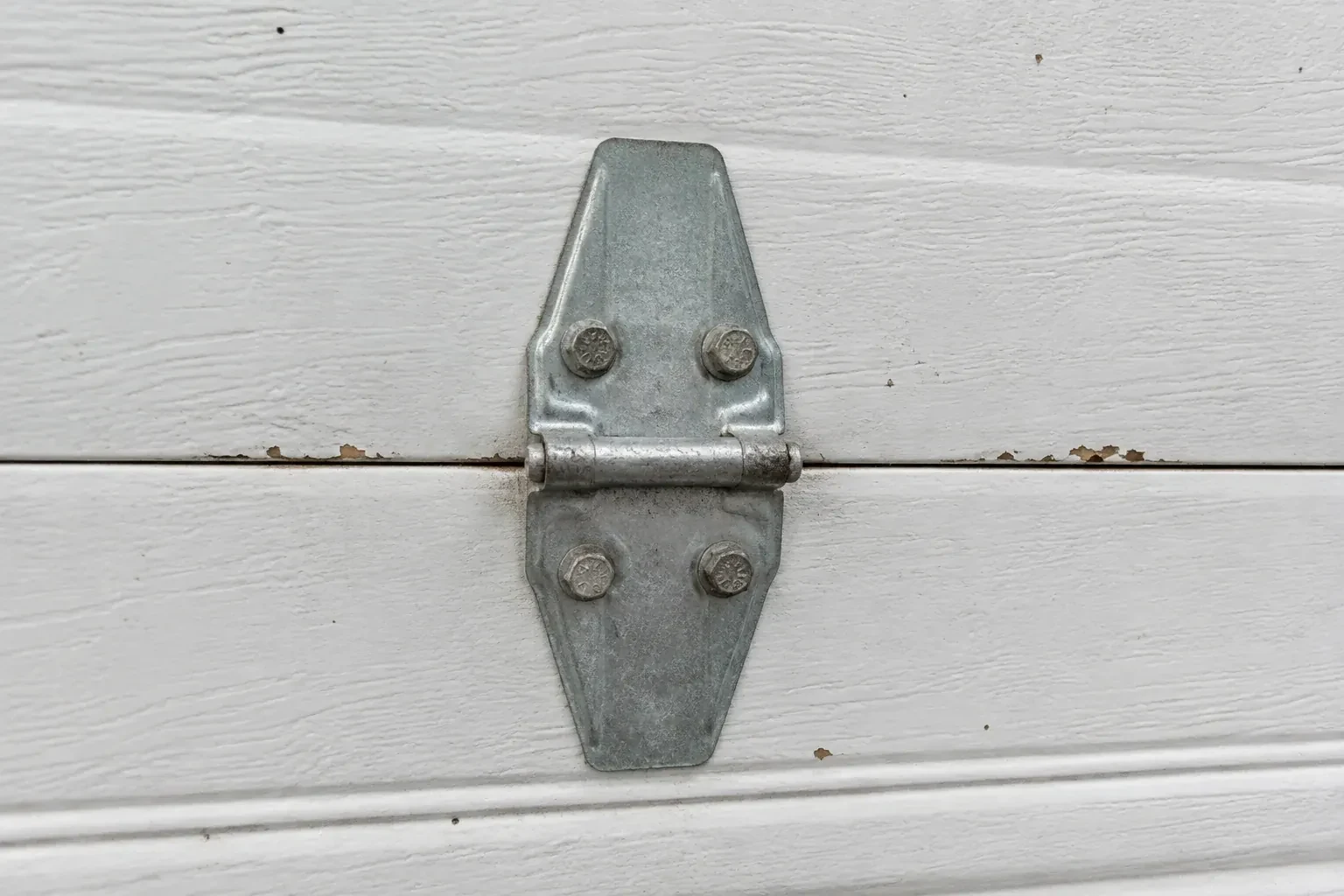
Appearance is not enough to establish equivalence. Metal thickness, strength, hole pattern, roller stem length, bearing design, and fastener placement can differ in ways that affect both movement and structural performance. Future service should use the door record and applicable component guidance to match parts, preserving the intended arrangement instead of relying on a visual comparison.
Can I choose privacy glass and still get natural light?
Yes. Frosted, obscure, tinted, mirrored and laminated choices can diffuse views while admitting daylight, with the exact effect varying by material and lighting. Privacy is assessed from both sides because a bright interior at night changes visibility. Some layouts combine more private lower panels with lighter upper rows, shaping sightlines around how the garage is used.
Request a visit
For customers in Cedarvale the sequence is always the same. Assess the door in person. Explain what was found and why. Price the options on site. Do the agreed work with the door secured and the right tools. Test every part of the travel. Show you what changed. Then clean up and go.