Garage Doors in Deer Park, OntarioEvery remote,on the same page.
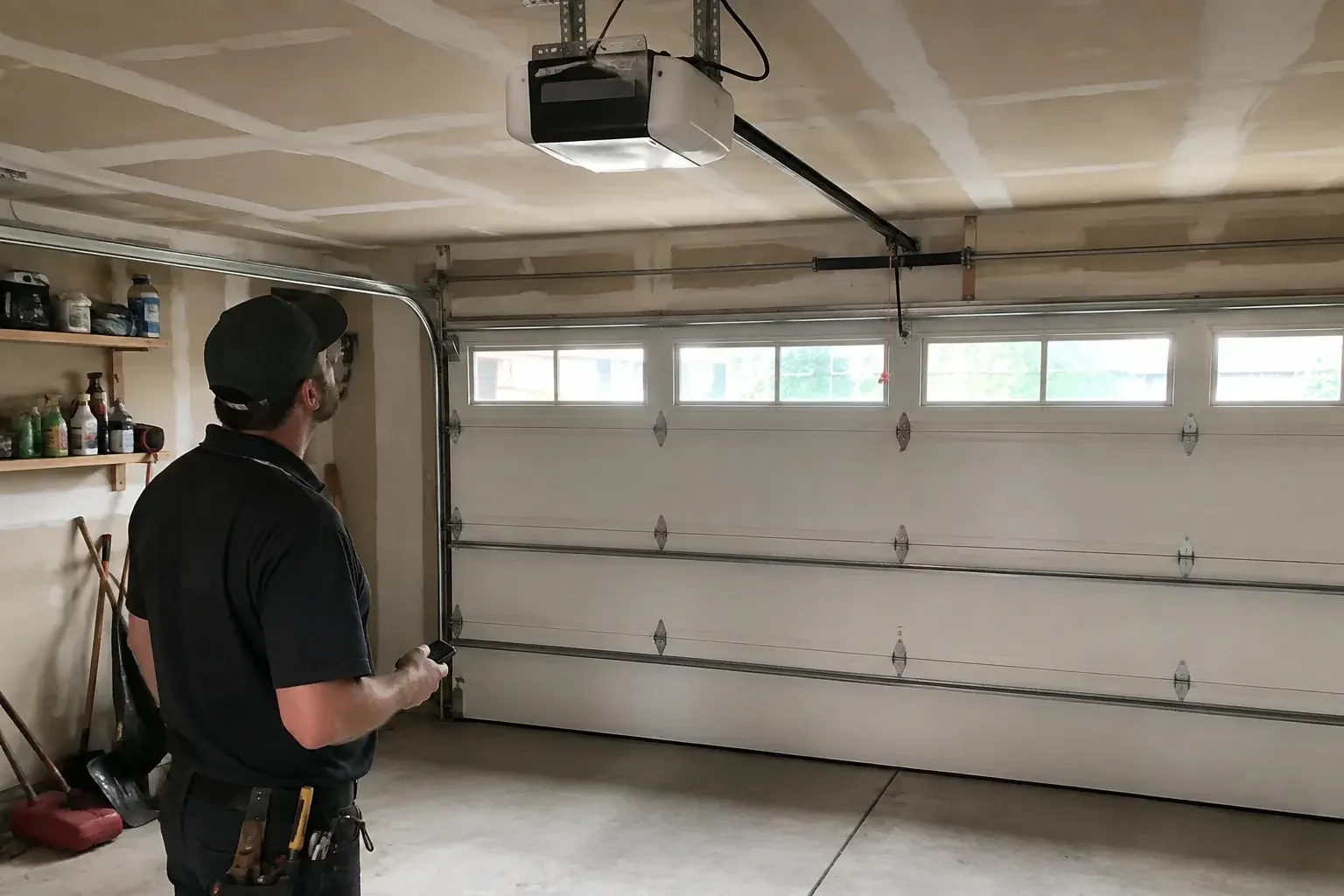
Remotes, the wall keypad, the button by the kitchen door and the app on your phone all need to agree with the opener. For homeowners in Deer Park we program them cleanly, erase codes from remotes that went missing years ago, and show you how to add a new one yourself when the time comes.
Remotes, the wall keypad, the button by the kitchen door and the app on your phone all need to agree with the opener. For homeowners in Deer Park we program them cleanly, erase codes from remotes that went missing years ago, and show you how to add a new one yourself when the time comes.
Balanced, quiet and ready for winter.
We keep things plain for people in Deer Park. No jargon in the explanation, no surprises on the invoice, no work started before you have agreed to it. The technician shows you the problem, prices the options on the spot, and gets on with the repair once you say yes.
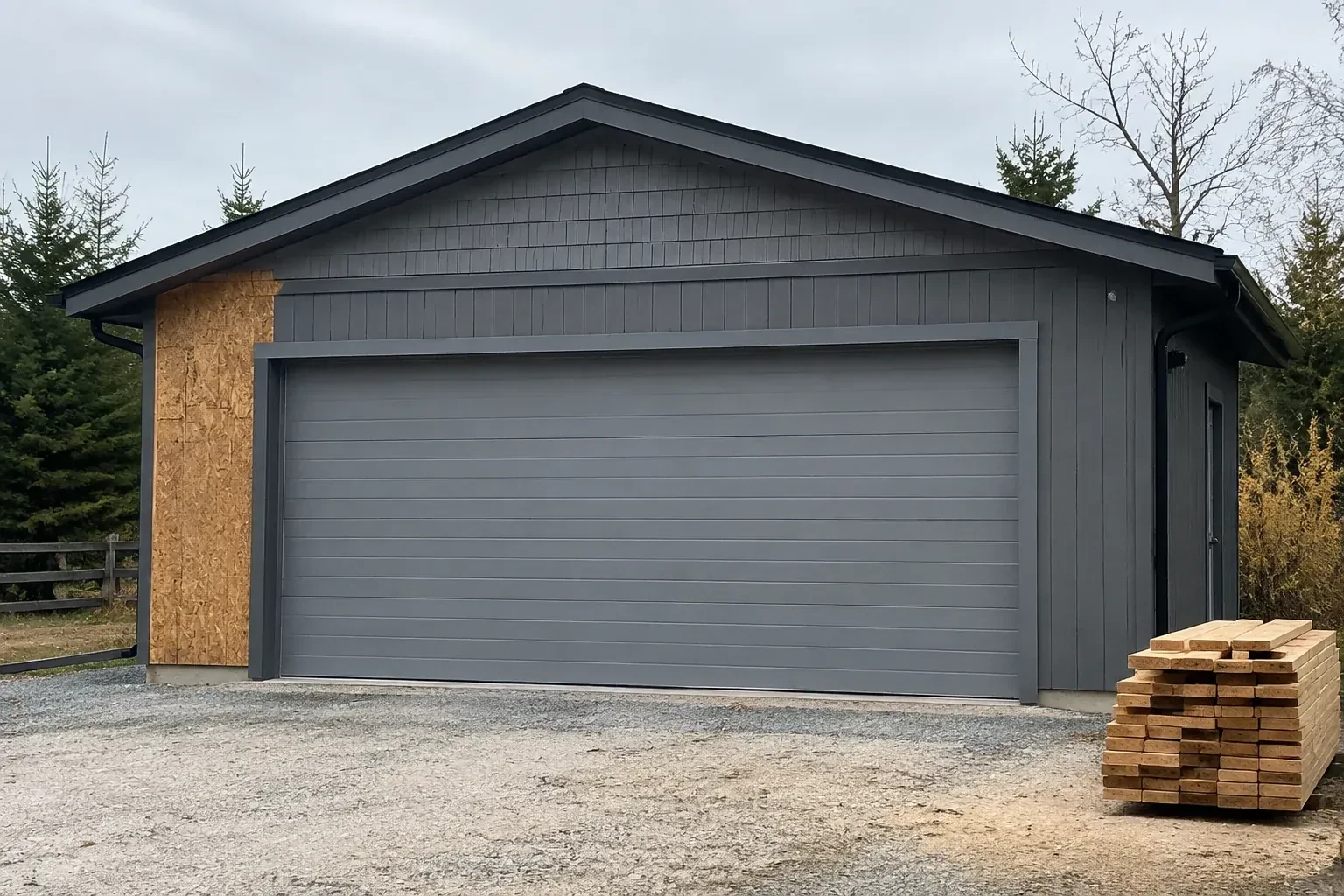
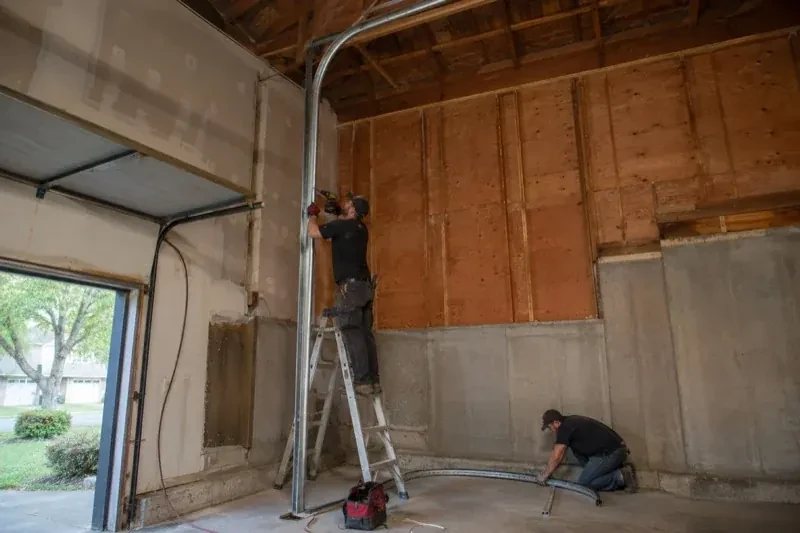
New builds and renovations in Deer Park often need a garage door that suits the house as well as the garage. We measure the opening, check headroom and framing, and bring samples of insulated steel, carriage-house and full-view glass designs. The door is installed with care, balanced properly and set up with an opener that matches its weight and use.
26years in business
24/7open every day
Nothing hidden. Every part we replace, you can see. Every adjustment, we explain. If we find something unexpected, we stop and tell you before continuing.
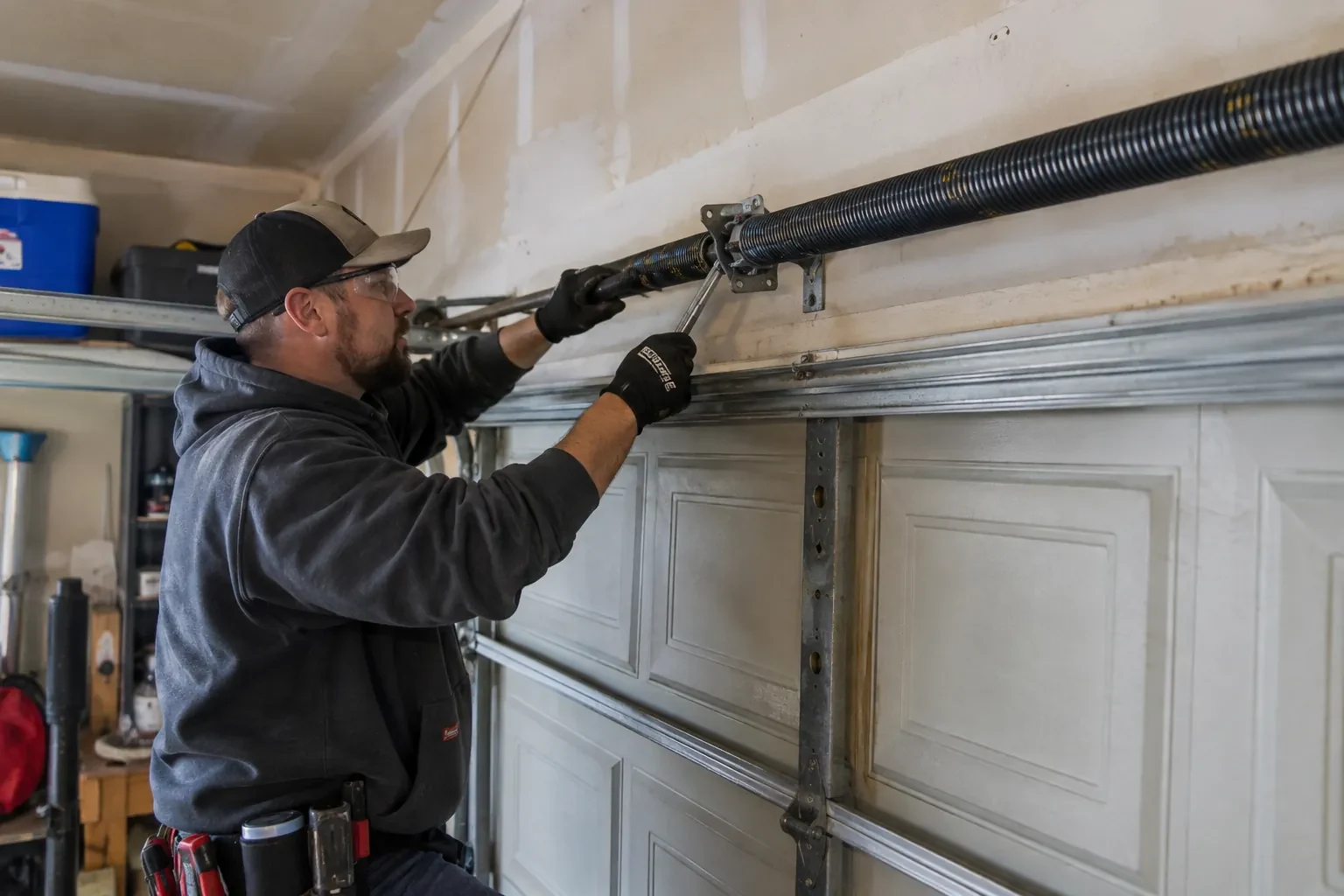
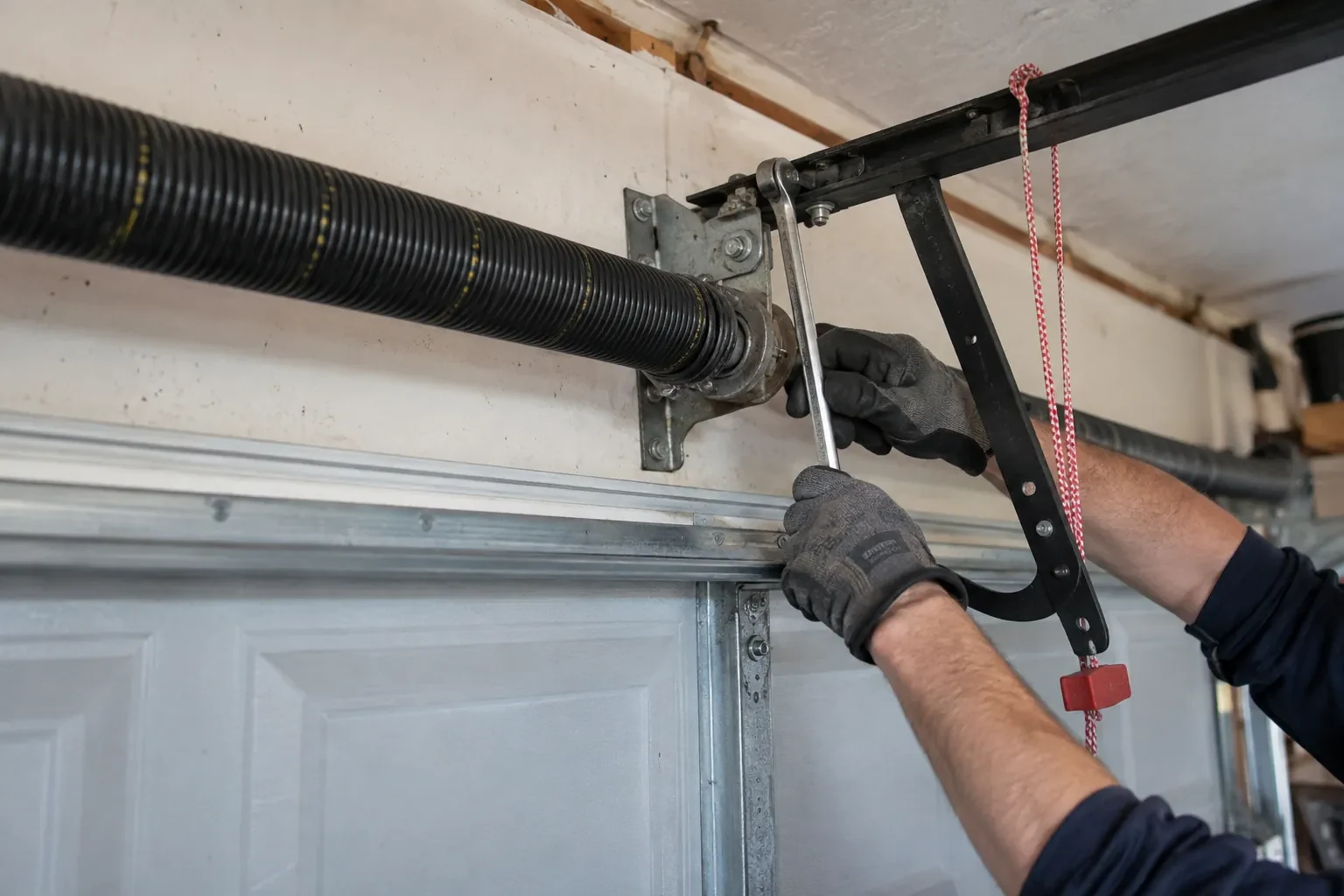
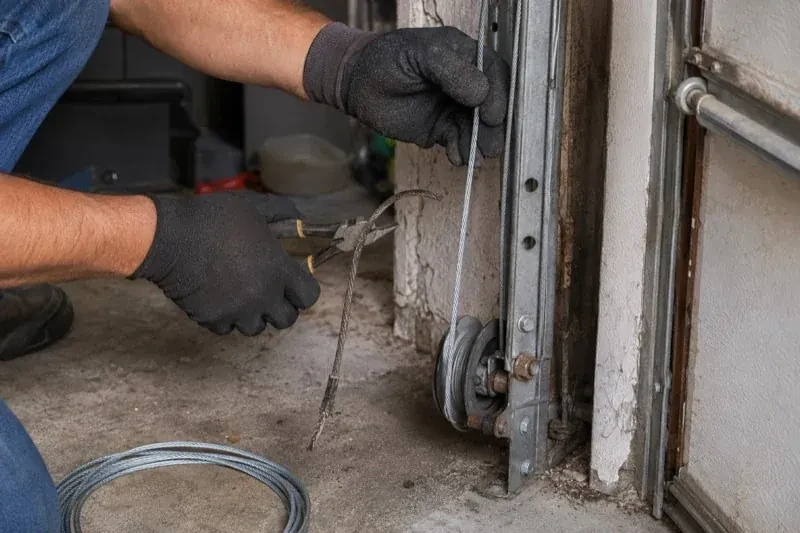
Care with heavy parts. Springs and cables are handled with the right tools and a steady method, and the door is secured before any tension is released.
Clear about what comes next. Before we leave, you know what was done, what to watch for, and when the door might want attention again.
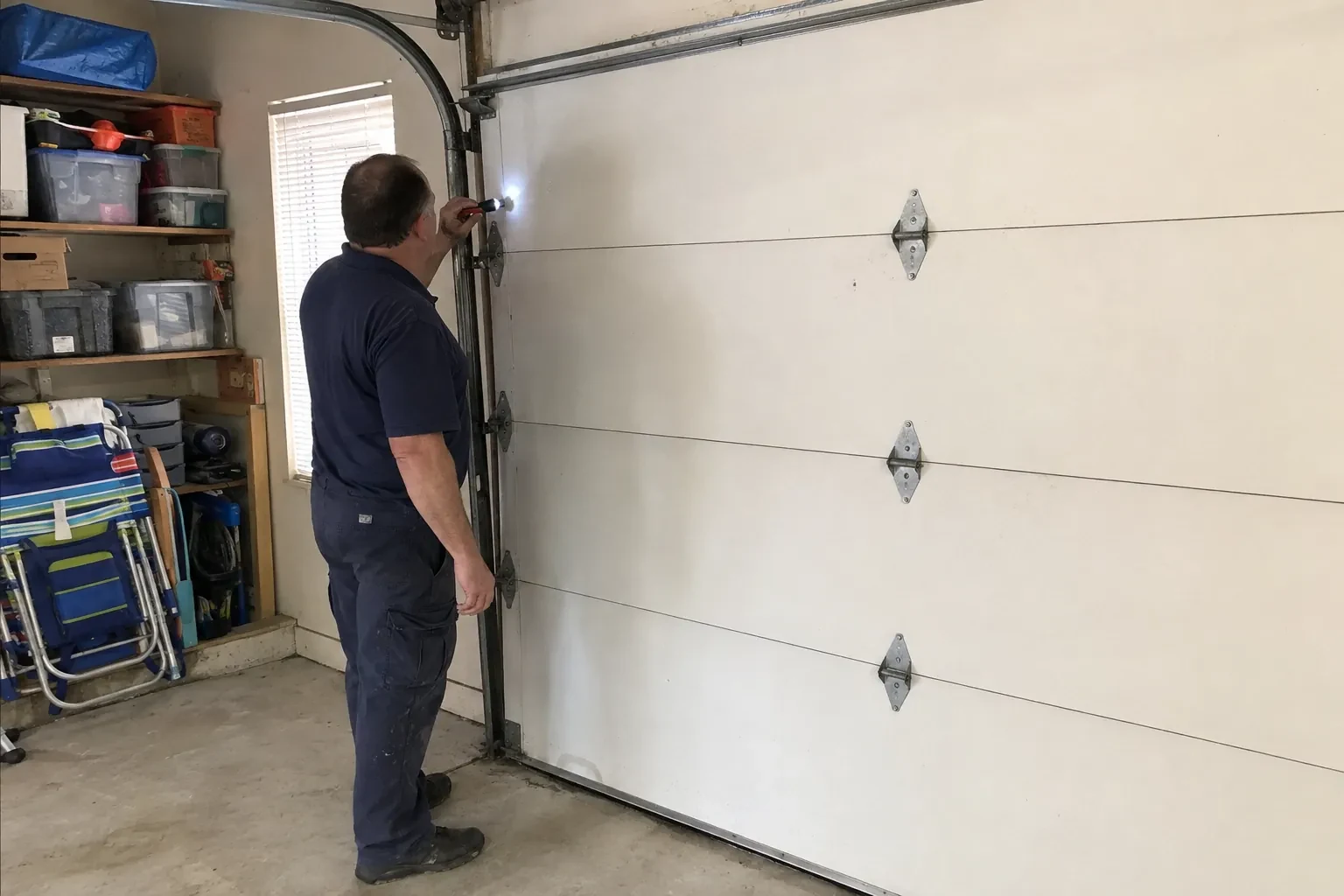
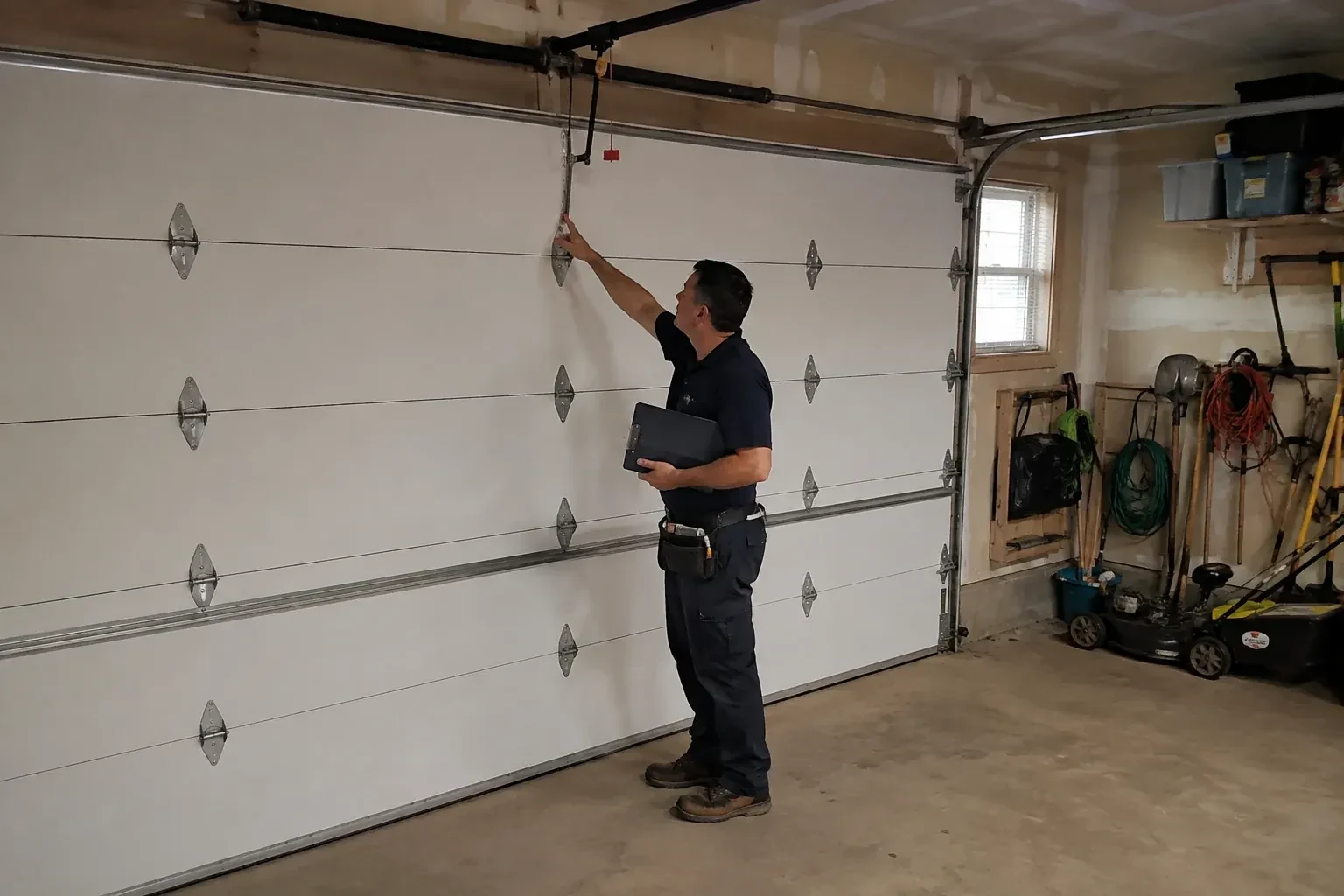
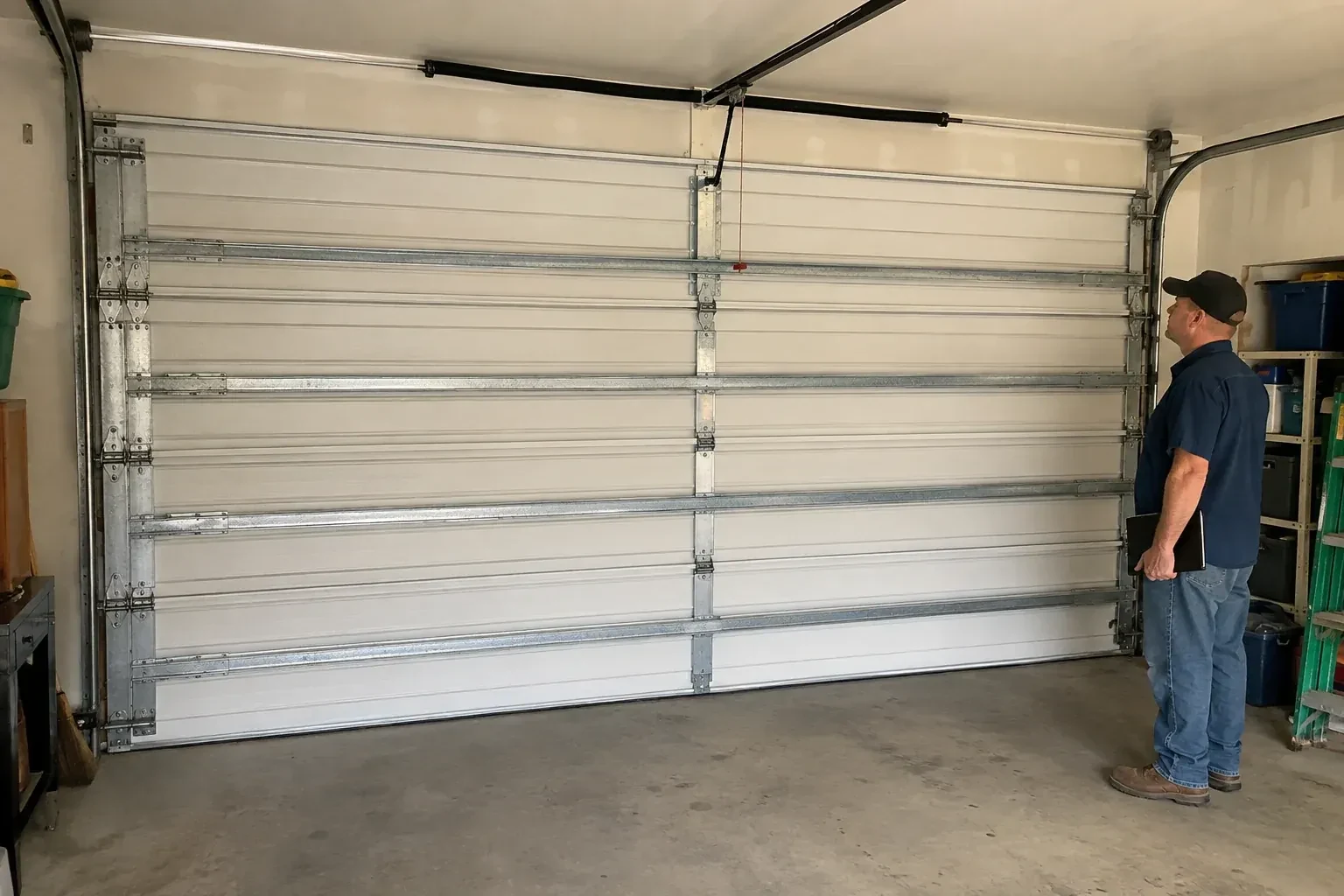
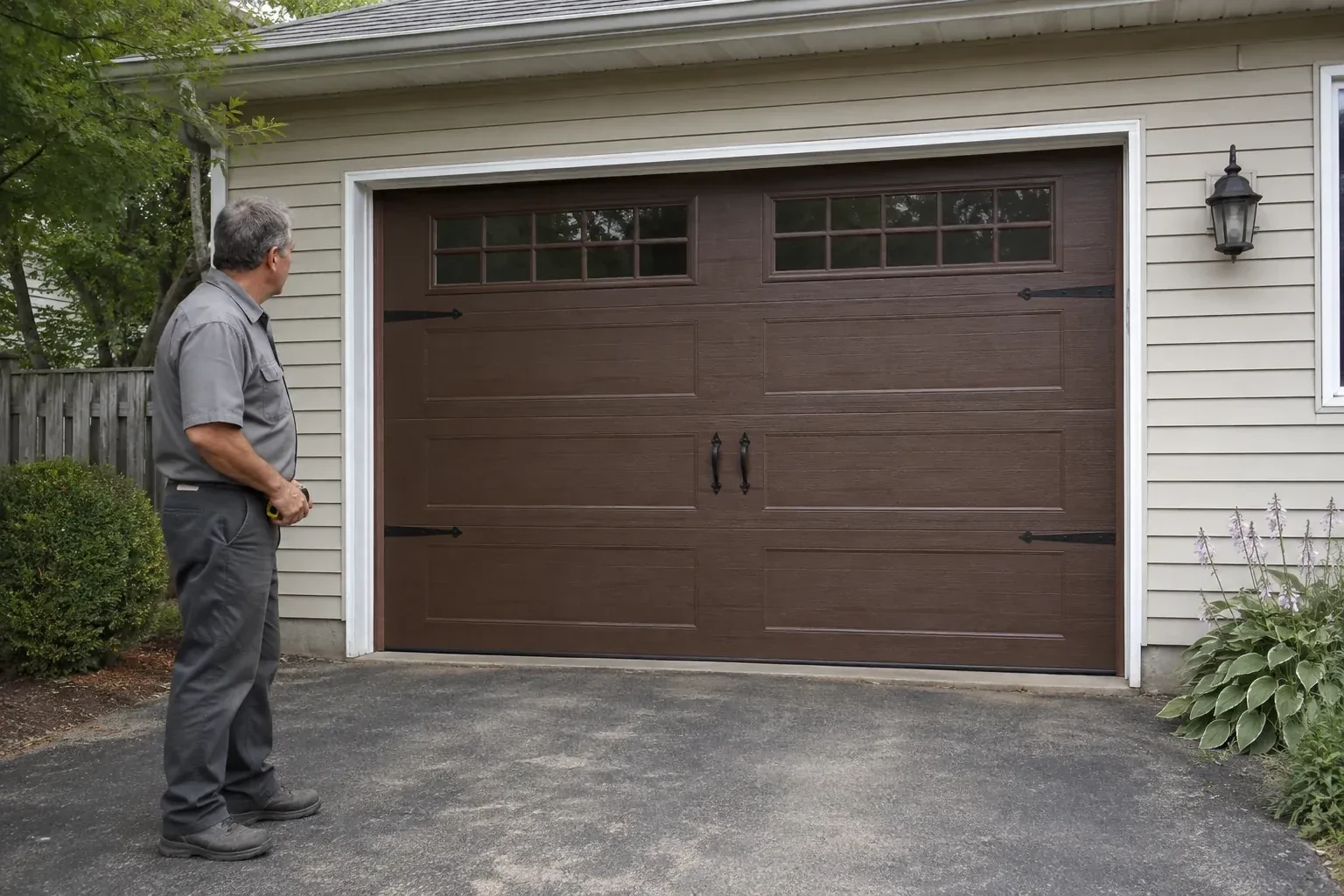
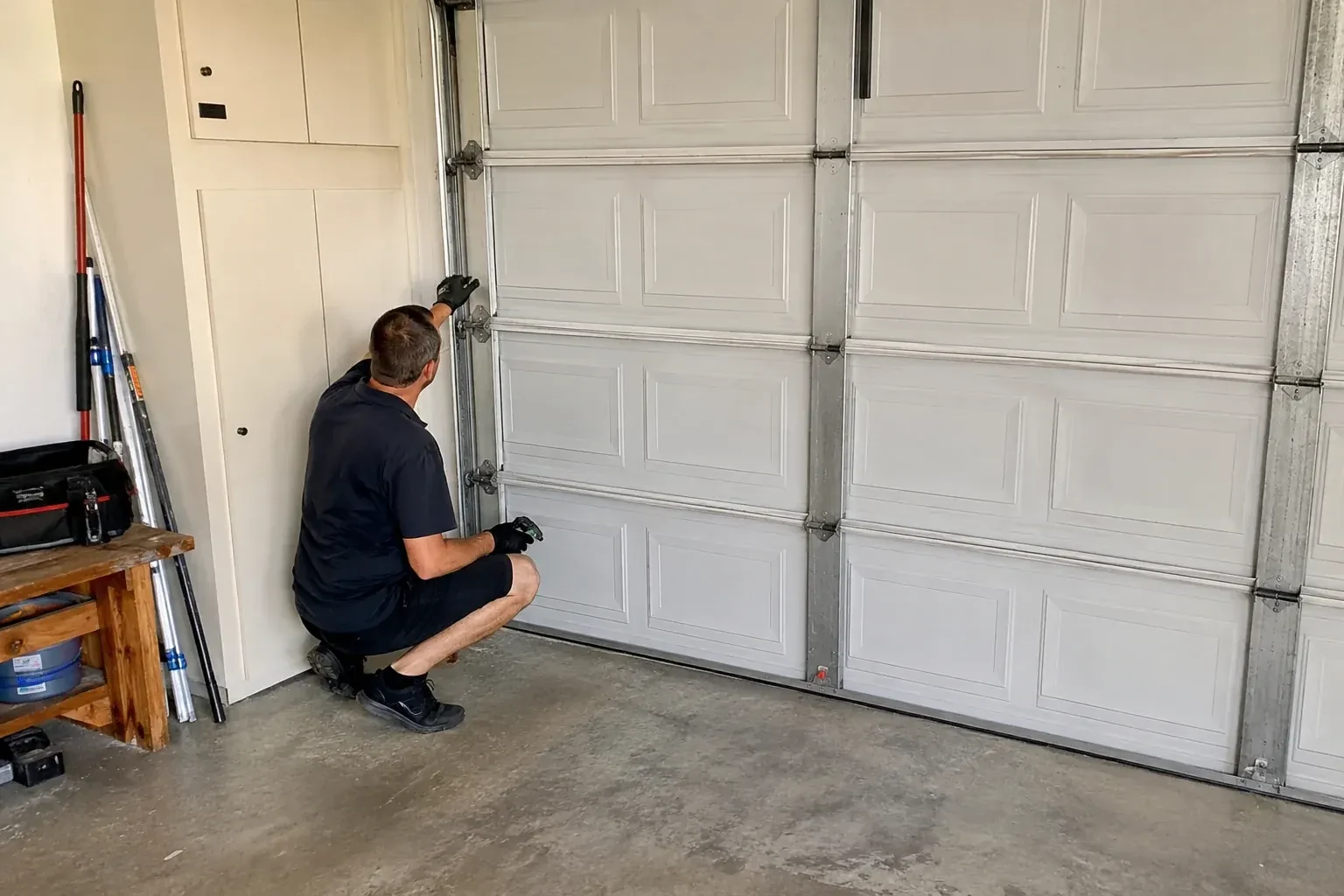
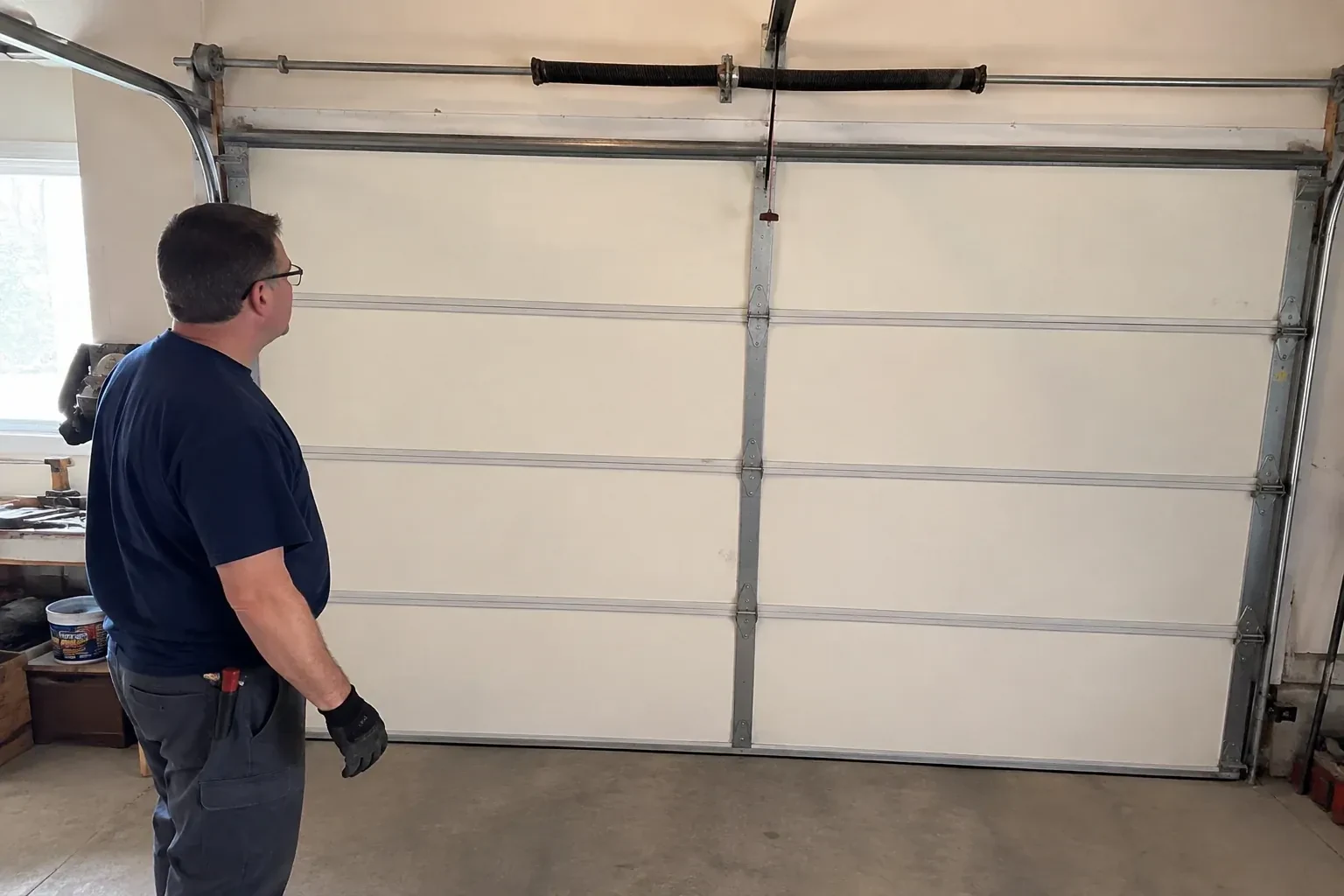
Have your Deer Park garage door assessed at the house.
Whether the door on your house in Deer Park needs a single roller or a whole new opener, the services listed here cover it. Repairs come first, because most doors can be saved; springs, cables and hardware follow; then openers and remotes; and finally new doors for homes and commercial buildings.
About 58% of homes in Toronto were built in 1980 or earlier, according to the 2021 Census.
Older homes
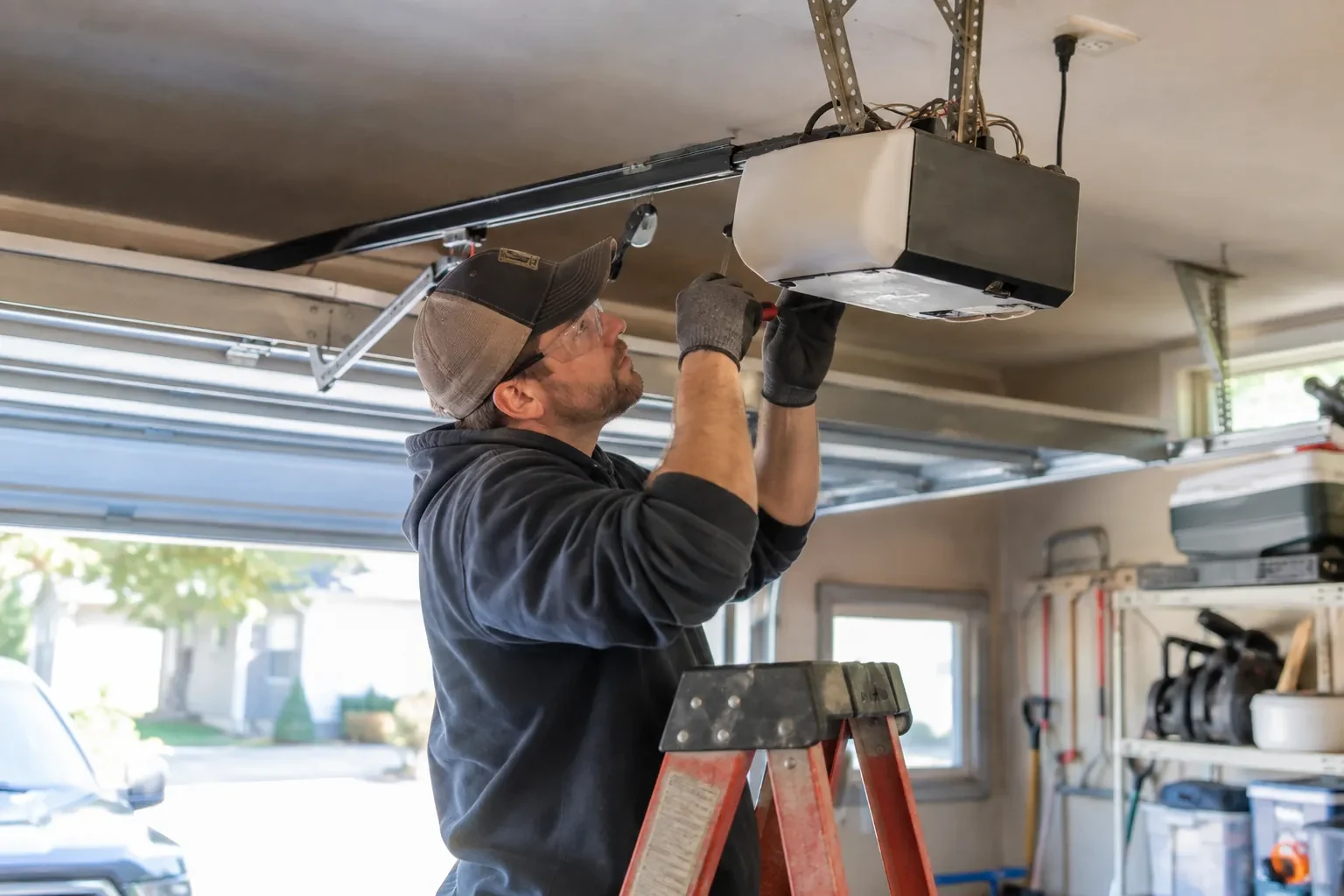
Original openers in older neighbourhoods often predate photo-eye sensors and rolling-code remotes. Bringing one up to date means a quieter motor, sensors that stop the door for a child or pet, and remotes that cannot be copied from the driveway, all installed in a single visit.
Single-detached houses make up about 23% of homes in Toronto (2021 Census).
Condo and townhouse garages are frequently used for storage as much as parking, with the door opened many times a day, and the shared walls mean vibration travels. A well-balanced door, tight hardware and a quiet opener are the upgrades residents notice most.
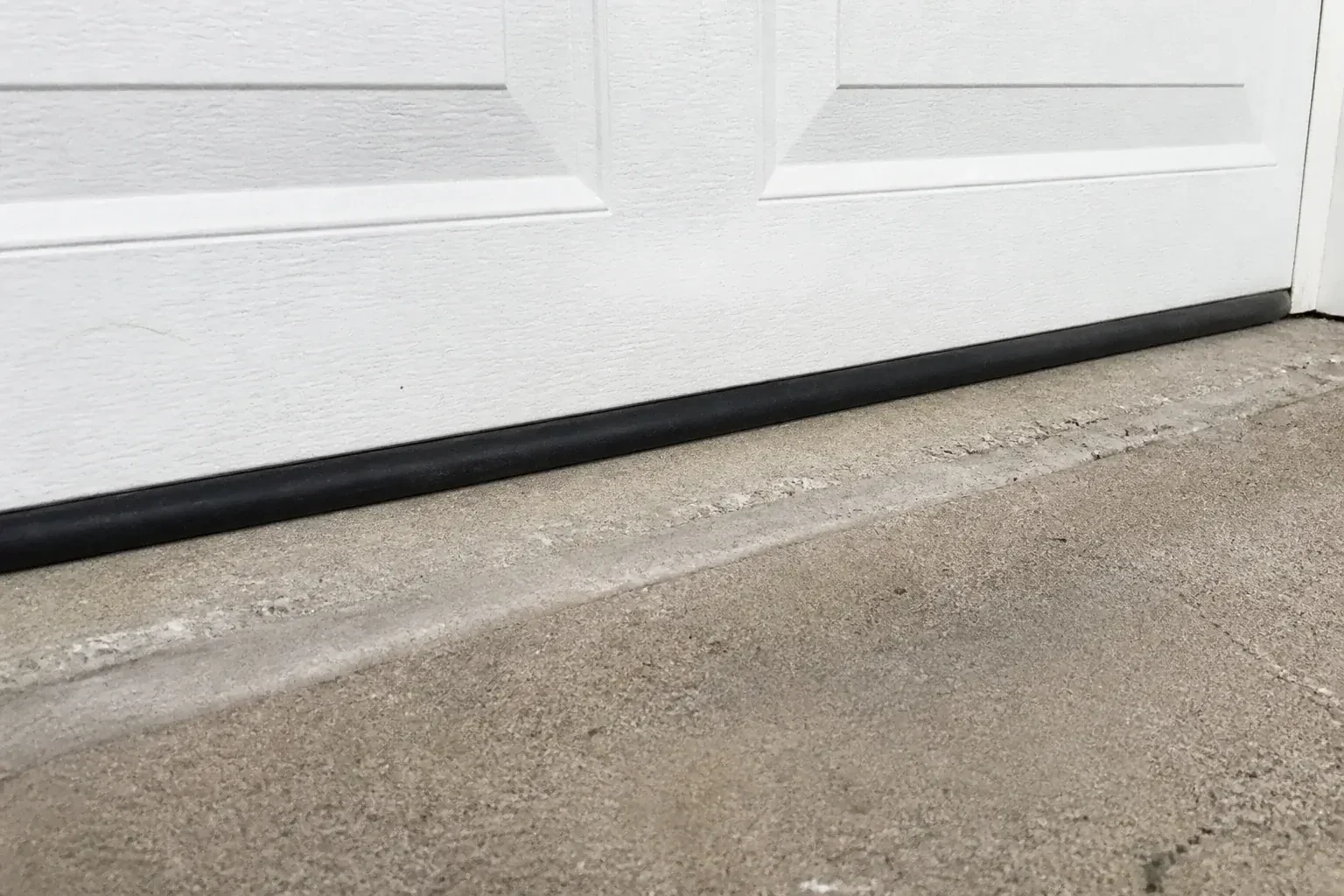
On windy nights the door rattles in its frame, there is a line of daylight along one side, and the bottom seal has gone hard and flat. Leaves and fine snow drift in underneath and the garage never seems to hold its temperature.
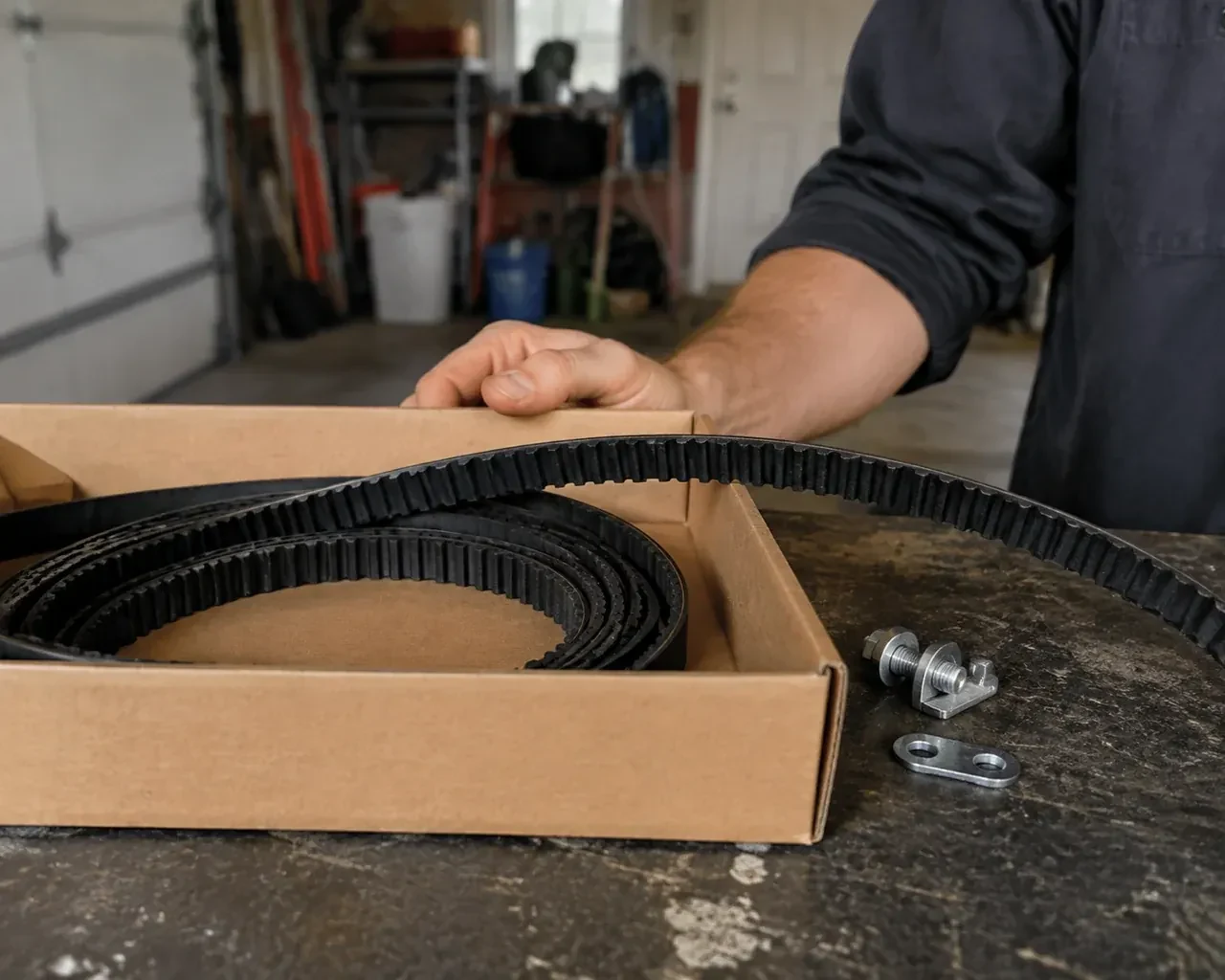
Someone tightened the belt last month to stop the sag. Now the opener sounds like a chain drive, the motor labours on the way up, and the whole rail vibrates under the ceiling.
Press the button and the motor hums, but the door stays exactly where it is. Under the housing there is a dusting of white plastic shavings, the sign of a stripped drive gear, and this is the second time it has happened.
You press the remote, the door drops a few centimetres, then climbs straight back to the top while the opener light blinks. Nothing is under the door. It has done this every evening this week.
It is February. You come down in the morning and the garage door has stood open all night; the car is frosted inside, the furnace has run without a pause, and the pipe in the shared wall is your first worry. Nobody knew, because nothing told anyone.
Halfway up, the door lets go of the opener with a clunk and sinks back to the floor while the trolley carries on to the top alone. It has happened three times this month, and each time the release lever is found half-cocked.
The garage becomes notably colder each winter, with drafts around the perimeter and condensation on thin door sections. You want a replacement selected for better sealing and insulation as part of a more comfortable space.
New windows would improve the door's appearance, but they also change the section layout and reinforcement pattern. You need a wind-rated configuration designed with the chosen glazing instead of treating the windows as a later addition.
The existing door has reached the point where panels, rollers and finish all look tired. Rather than reproduce the same appearance, you want the replacement to become a considered architectural feature.
The build is nearing handover and the garage still needs its main moving component. A balanced door, fitted seals, working controls and a clear set of operating instructions will complete the opening for everyday use.
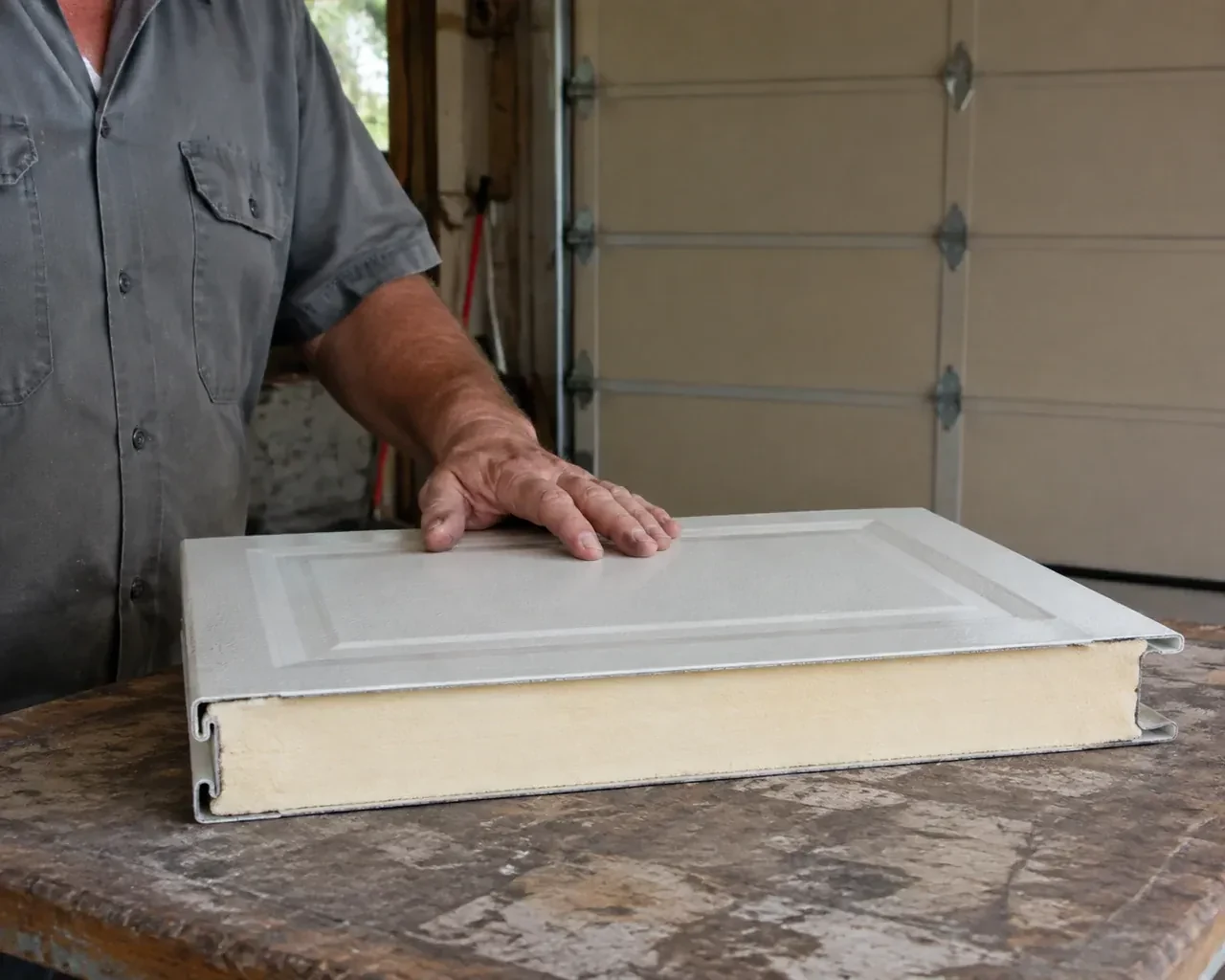
The right door for this climate has insulated sections, seals that stay flexible in the cold and hardware that shrugs off salt. Those are the qualities we look for when helping you choose, and the ones we install for.
Someone tightened the belt last month to stop the sag. Now the opener sounds like a chain drive, the motor labours on the way up, and the whole rail vibrates under the ceiling.
Press the button and the motor hums, but the door stays exactly where it is. Under the housing there is a dusting of white plastic shavings, the sign of a stripped drive gear, and this is the second time it has happened.
It is February. You come down in the morning and the garage door has stood open all night; the car is frosted inside, the furnace has run without a pause, and the pipe in the shared wall is your first worry.
It is the coldest morning of the year. A week of slush and road salt has crusted over the outside release lock, the key will not seat, and the opener inside is silent after the overnight outage.
Which fix fits?
On windy nights the door rattles in its frame, there is a line of daylight along one side, and the bottom seal has gone hard and flat.
WhyA carriage look can be created with several constructions, including embossed steel, insulated steel with composite overlays, or wood components intended for sectional-door use.
The build is nearing handover and the garage still needs its main moving component.
Small wear items found on the day, such as a roller or a hinge on a middle section, a bottom seal or a few fasteners, can often be replaced during the visit if you agree and the part is on the truck. Larger items, including springs, cables, drums, bottom brackets, a bent track or an opener gear, are written up as separate repairs with their own quote so you can decide with the facts in hand rather than under a raised ladder.
What information helps when I book a belt-drive repair?
The make and model printed on the motor head, roughly how old the operator is, what the belt is doing and what it sounds like, when it started, whether the red cord has been pulled and whether anyone has adjusted anything. A photograph along the rail showing the belt, and one of the label, settle most questions before the visit.
Can my phone control the door?
Yes, with a Wi-Fi capable operator or a small add-on hub for a compatible unit. The app opens and closes the door, shows whether it is up or down, sends an alert if it has been left open and can close it on a schedule. The garage needs a usable Wi-Fi signal at the head unit, which the technician checks during the assessment; a range extender solves a weak signal in a detached garage.
What do the small lights on the sensors mean?
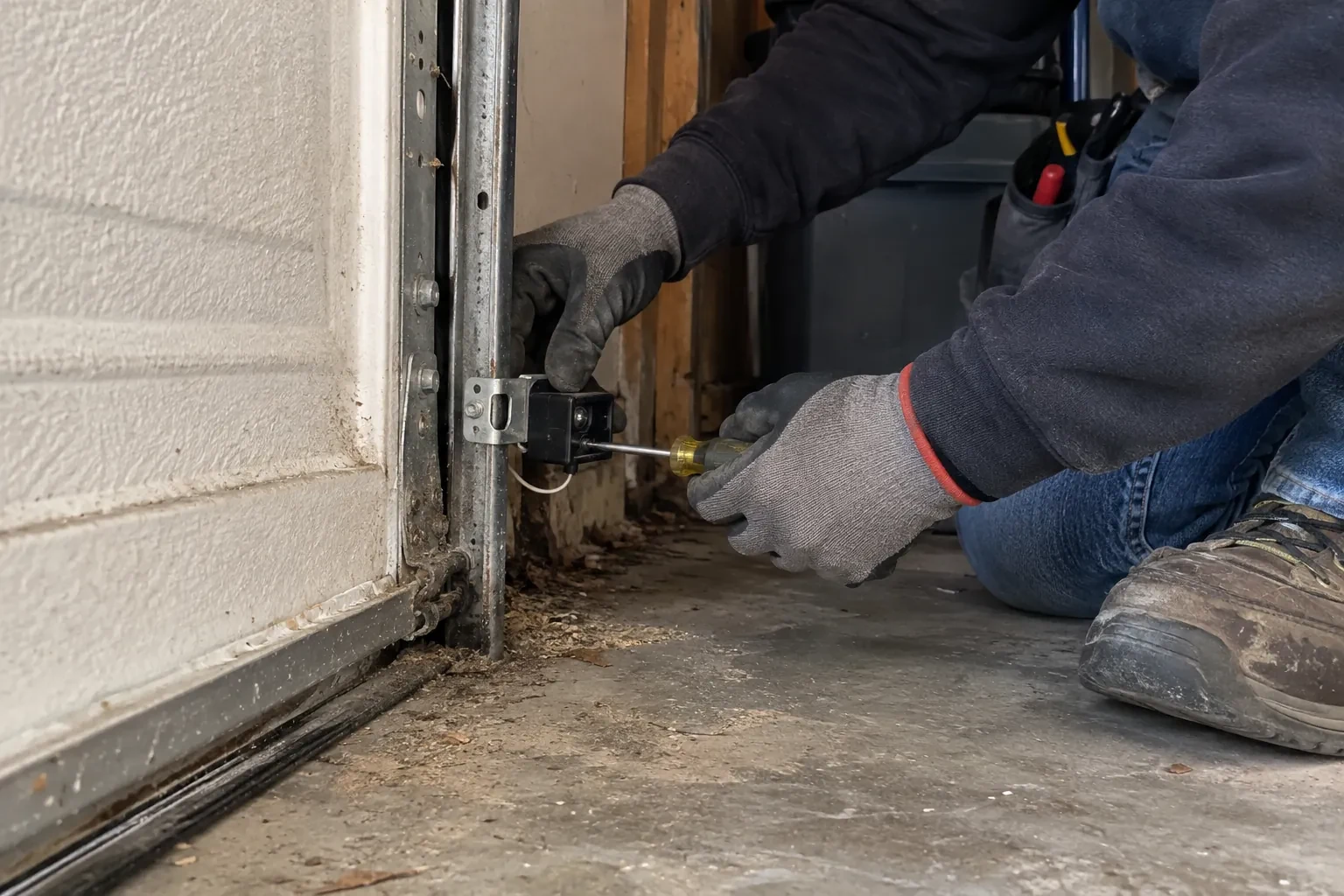
Arrangement varies by model: most pairs carry an indicator on each side, in differing colours for sender and receiver, though some older pairs light only the receiver, so check the maker's chart. A receiving light that is dark or flickering means the beam is not landing on it, so the pair needs aligning or something is in the way. Both lights dark means the pair has no power, which points to the wire or the terminals at the head unit. Steady lights on both sides mean a healthy system.
Is my garage less secure with a phone controlling it?
Done properly, no. Some hubs pair with the opener as a radio transmitter over the same rolling-code system as your remotes; others connect directly to the wall-control terminals with no such radio link. Either way, the account is protected by a chosen password and two-step verification where offered. The main risk is a shared or reused password, so the account gets its own and the user list is reviewed now and then.
How long does an emergency release repair take?
A cord and handle, a lever spring or a trolley freed from the stop bolt is a modest part of an hour, including the balance test and reversal tests. Replacing a trolley or fitting an outside key release takes longer, since the drive is slackened and re-tensioned or a hole is cut in the door. If the balance test finds the springs need work first, that is a separate piece of the visit, and you are told before it starts.
What maintenance can I do myself?
Keep the door path and seal contact areas clean, visually observe cables and rollers from a safe position, and use designated handles for occasional manual checks. Test operator safety functions as its instructions describe. Adjustments to springs, cables or bottom fixtures remain technician work because those components carry the counterbalance forces.
Can a similar-looking hinge or roller be substituted later?
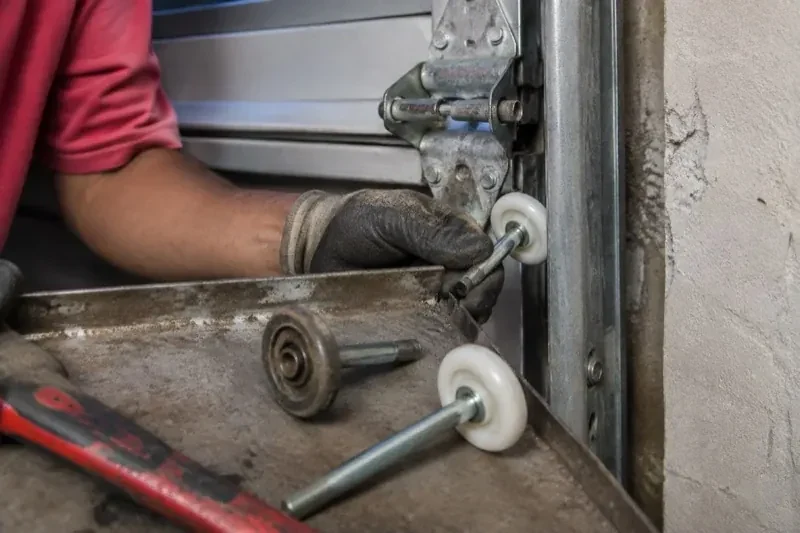
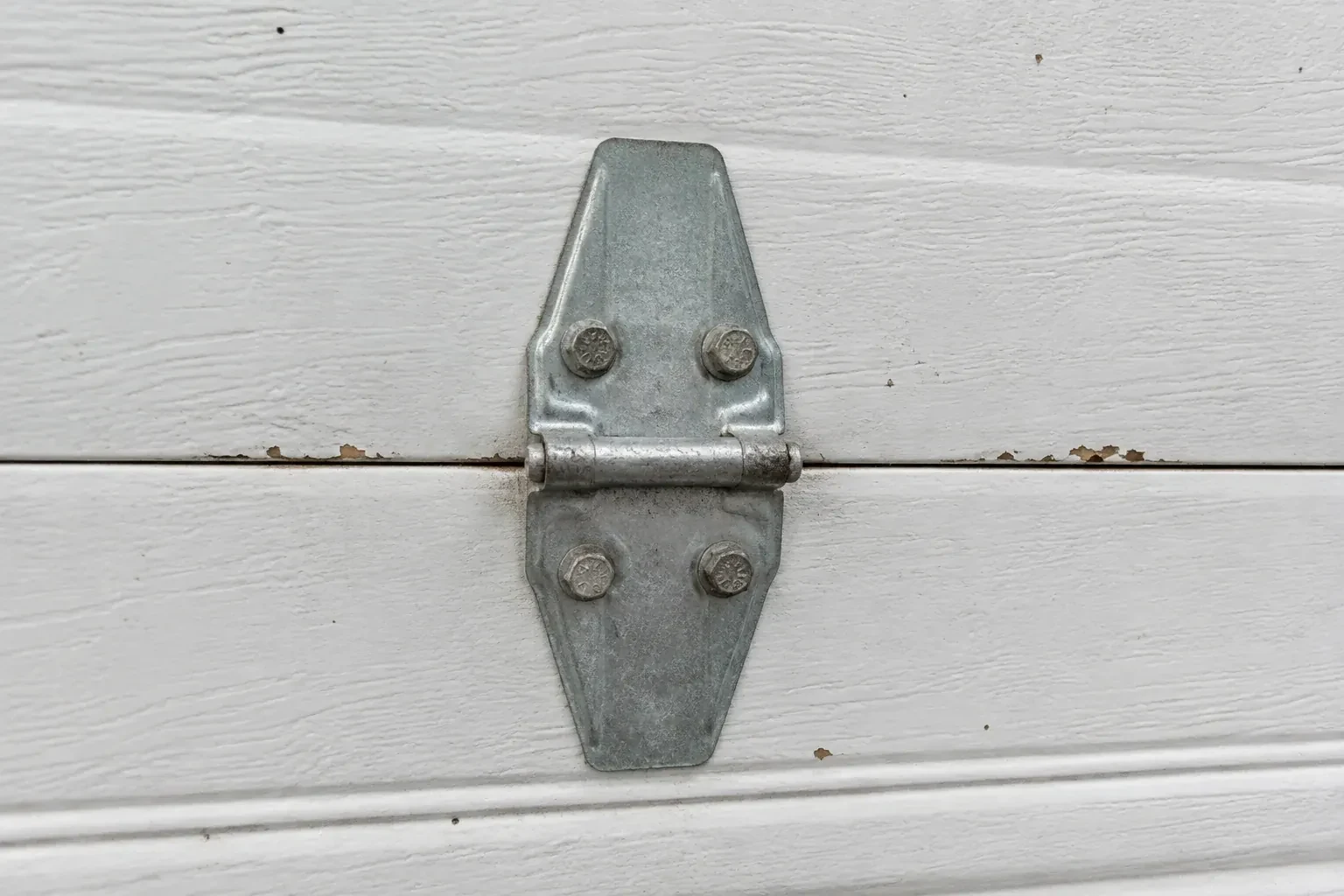
Appearance is not enough to establish equivalence. Metal thickness, strength, hole pattern, roller stem length, bearing design, and fastener placement can differ in ways that affect both movement and structural performance. Future service should use the door record and applicable component guidance to match parts, preserving the intended arrangement instead of relying on a visual comparison.
Are the decorative handles and strap hinges functional?
On most sectional carriage designs, they are visual accents rather than working swing-door hinges. Their placement still requires care. They must attach where the section construction permits, align evenly across the face and clear trim and joints throughout travel. Some handles can also provide a suitable gripping point for manual movement when their product instructions identify that use.
When would a high-lift track arrangement be considered?
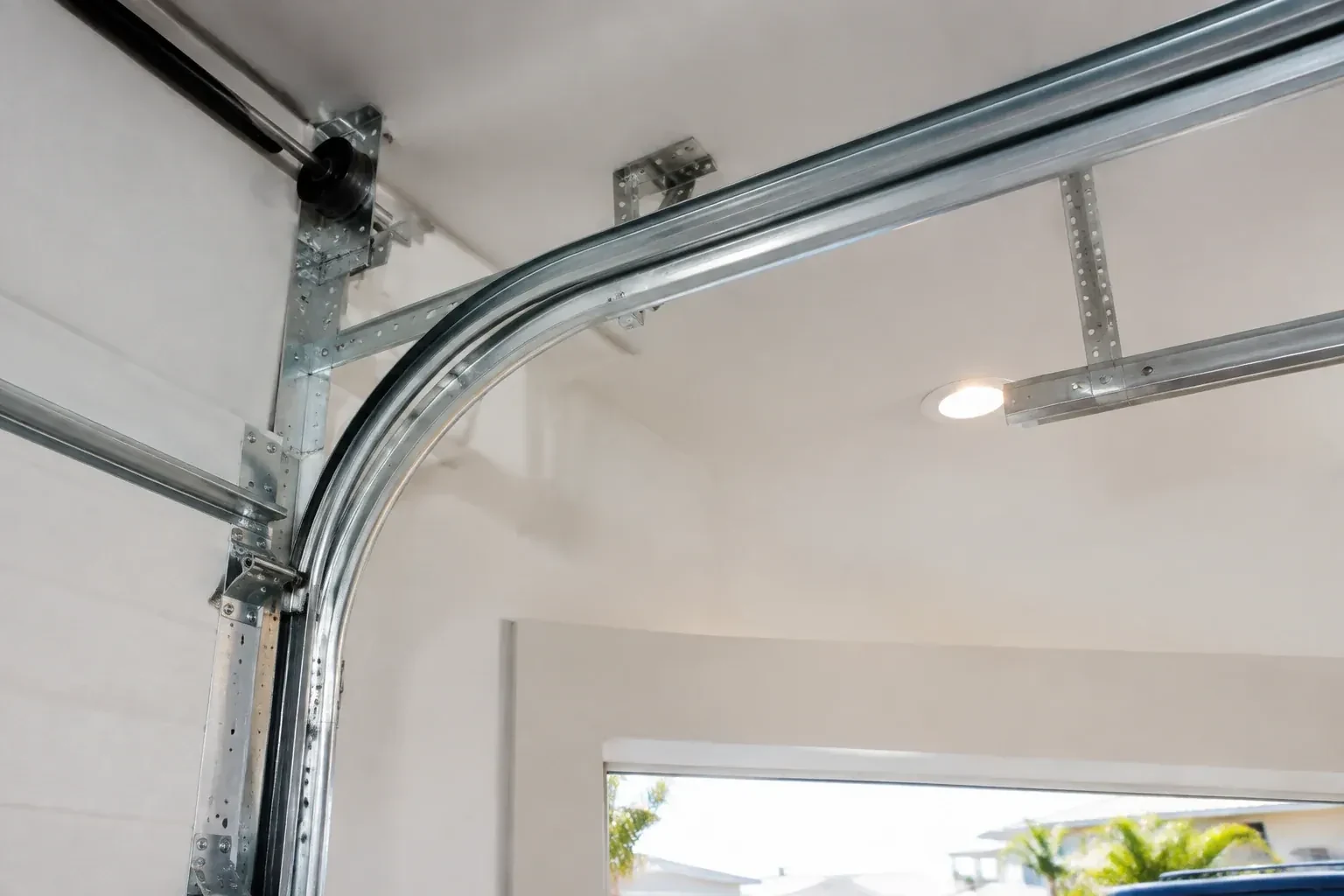
High-lift hardware extends the vertical track farther up the wall before the horizontal run begins, which preserves overhead clearance and can follow a taller ceiling. It may suit garages planned for vehicle lifts or other overhead uses. The decision depends on available height, roof structure, door weight, spring arrangement and operator selection. Measuring all obstructions and future equipment is essential before the track geometry is specified.
Request a visit
We keep things plain for people in Deer Park. No jargon in the explanation, no surprises on the invoice, no work started before you have agreed to it. The technician shows you the problem, prices the options on the spot, and gets on with the repair once you say yes.