Garage Doors in Forest Hill, OntarioQuiet doorsfor early risers.
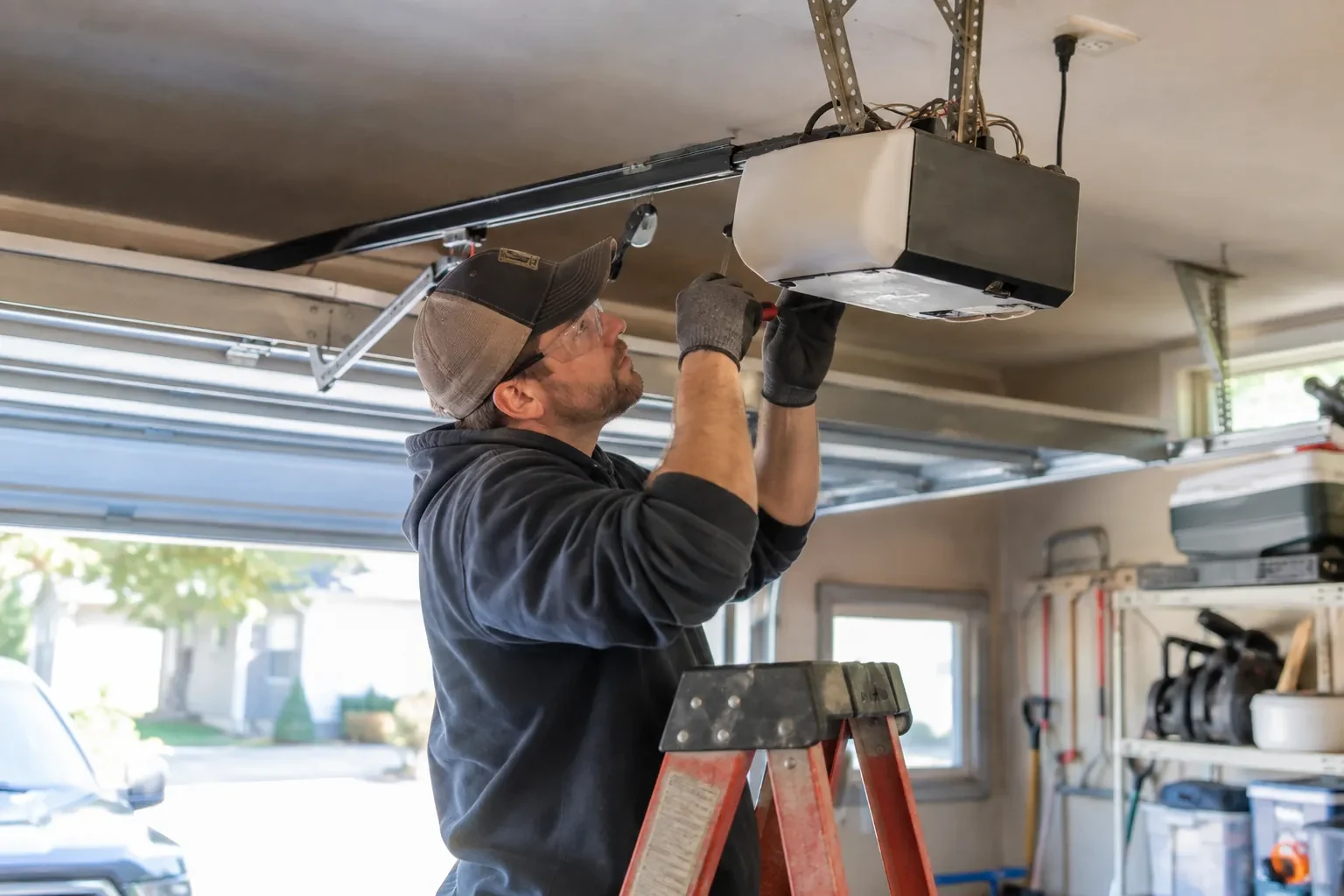
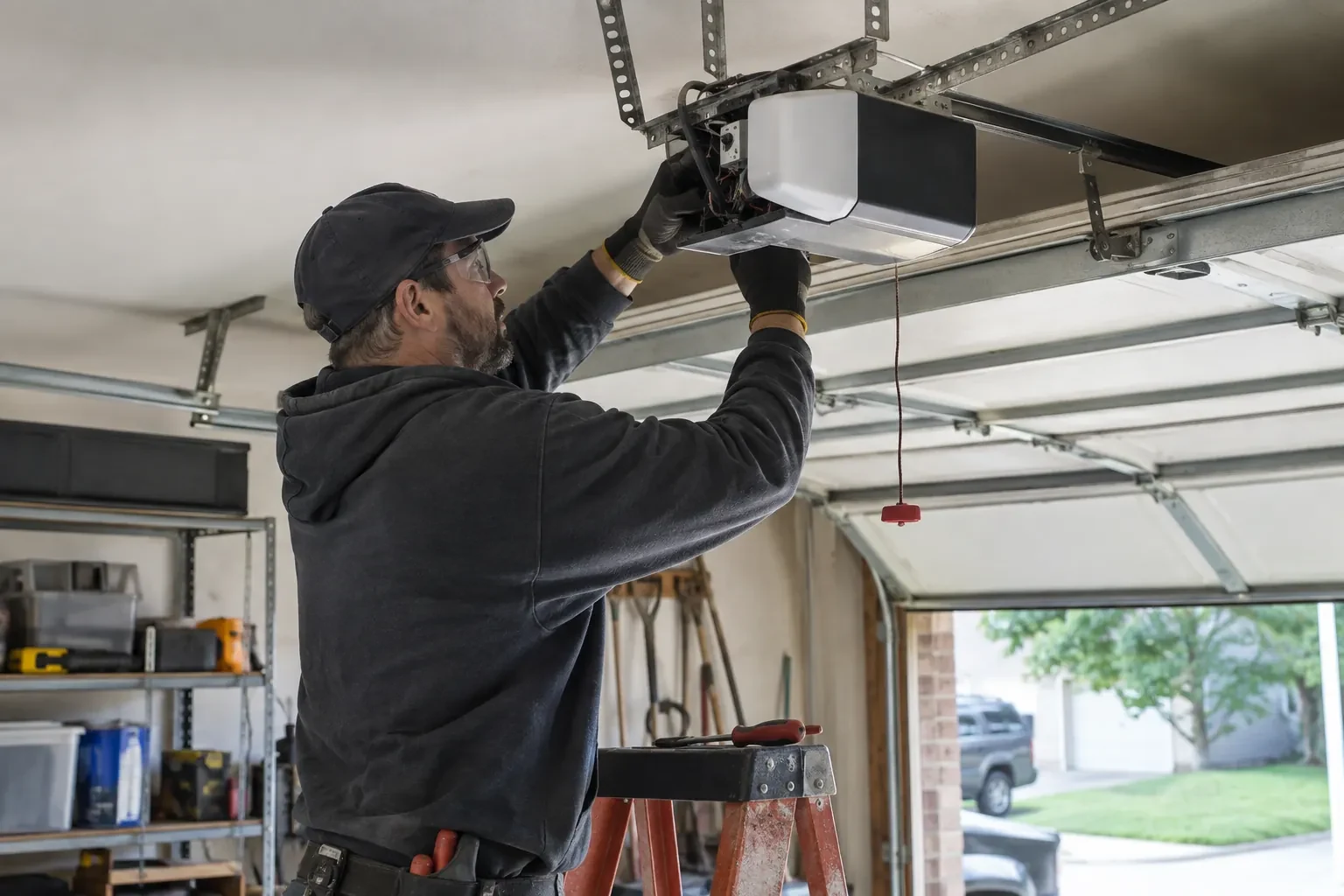
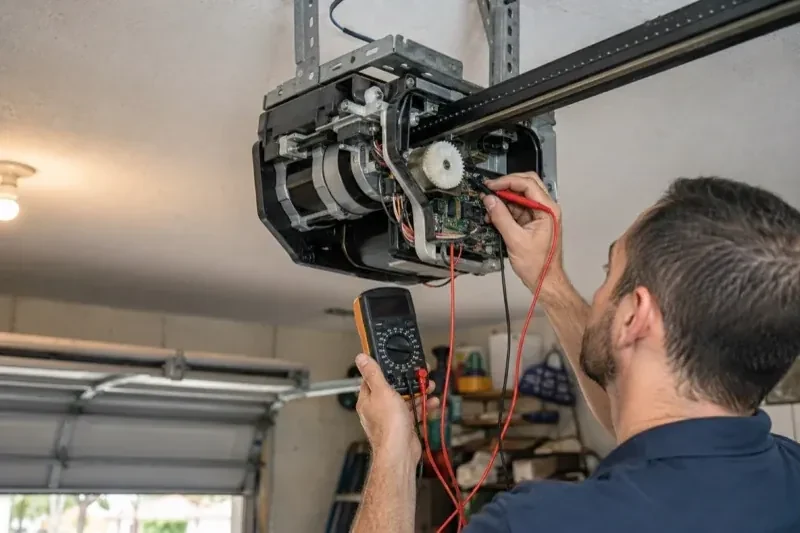
When the bedroom sits above the garage, every rattle at six in the morning is personal. For households in Forest Hill we track each sound to its source: dry rollers, a loose hinge, a chain that has stretched, an opener rail rubbing the ceiling. Fix those and the door becomes something you stop noticing.
When the bedroom sits above the garage, every rattle at six in the morning is personal. For households in Forest Hill we track each sound to its source: dry rollers, a loose hinge, a chain that has stretched, an opener rail rubbing the ceiling. Fix those and the door becomes something you stop noticing.
Balanced, quiet and ready for winter.
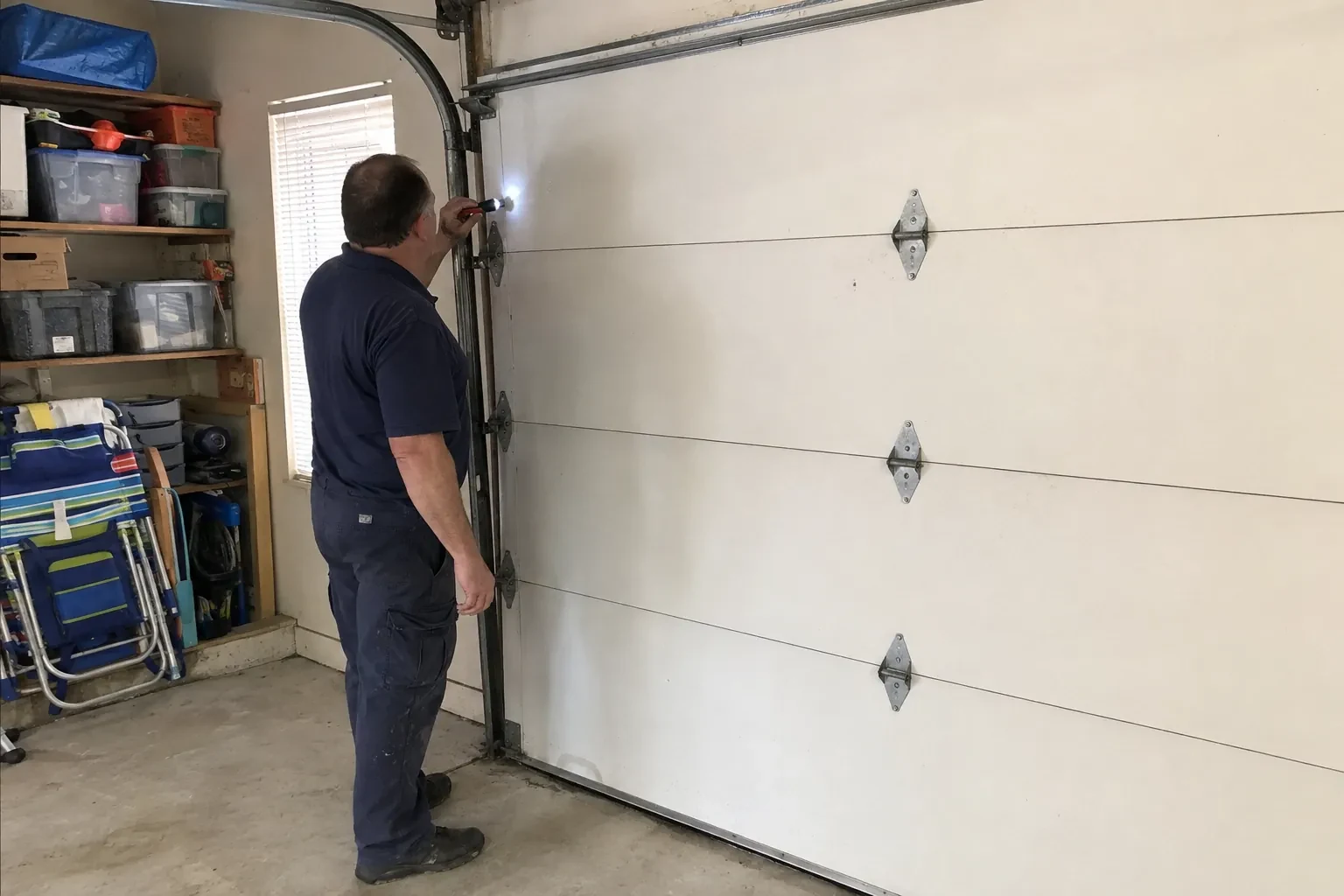
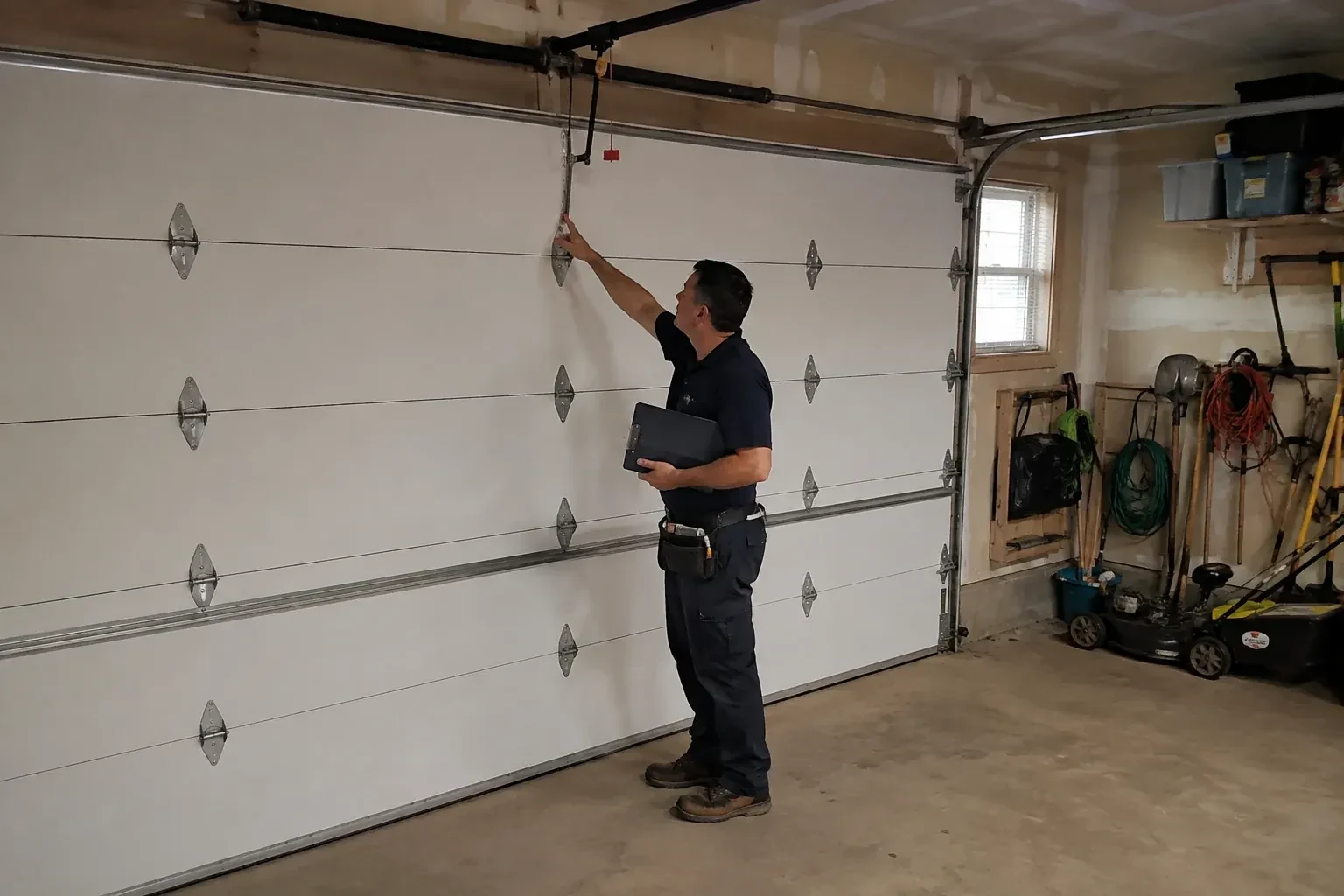
For customers in Forest Hill the sequence is always the same. Assess the door in person. Explain what was found and why. Price the options on site. Do the agreed work with the door secured and the right tools. Test every part of the travel. Show you what changed. Then clean up and go.
We have been servicing garage doors in Forest Hill for long enough to recognize the door styles that came with each stretch of building. That familiarity helps when a spring needs matching or an older opener needs a sensible upgrade. Homeowners and businesses in the area can expect a careful look at the door, plain talk about the options and a repair or installation done properly.
26years in business
24/7open every day
Nothing hidden. Every part we replace, you can see. Every adjustment, we explain. If we find something unexpected, we stop and tell you before continuing.
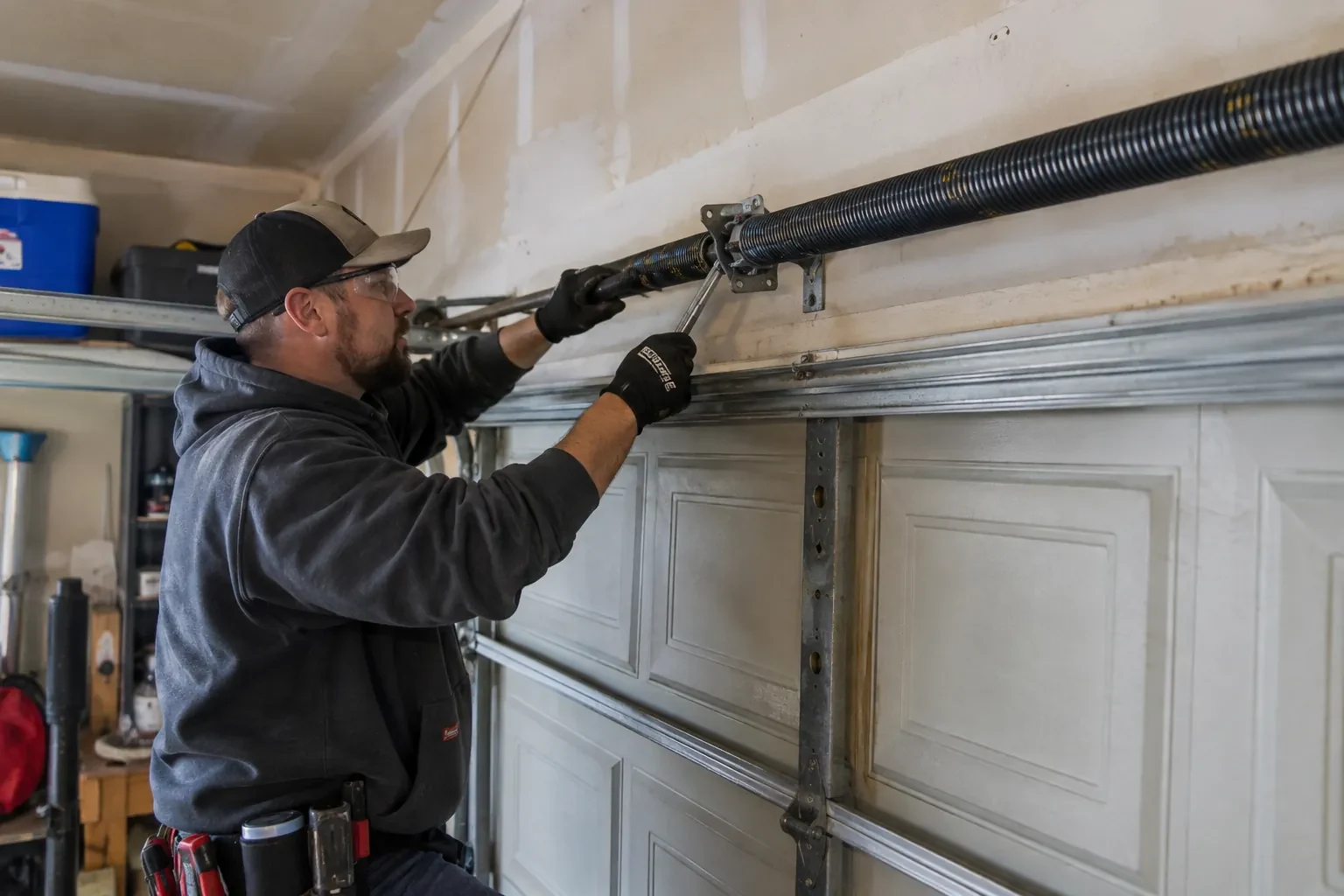
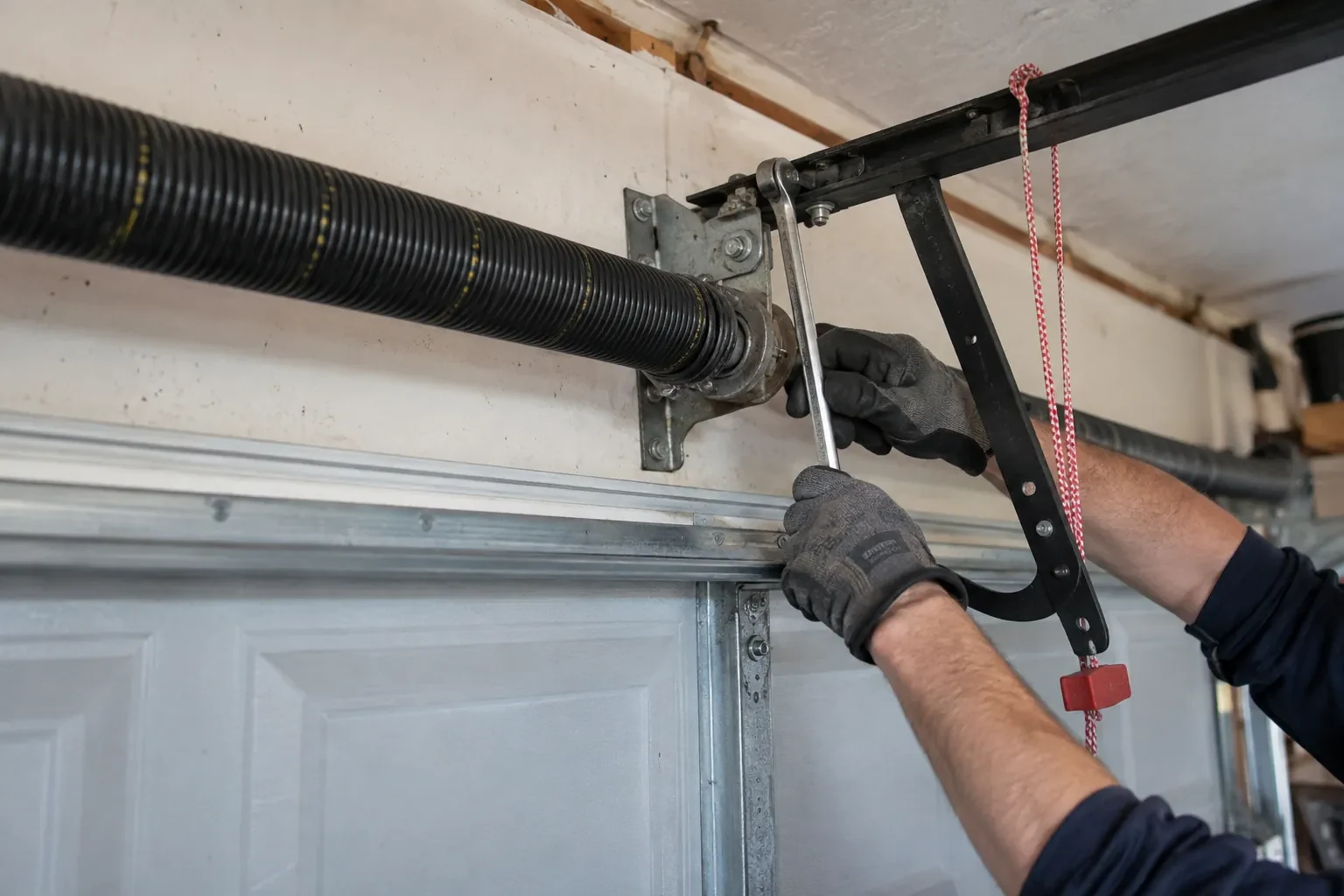
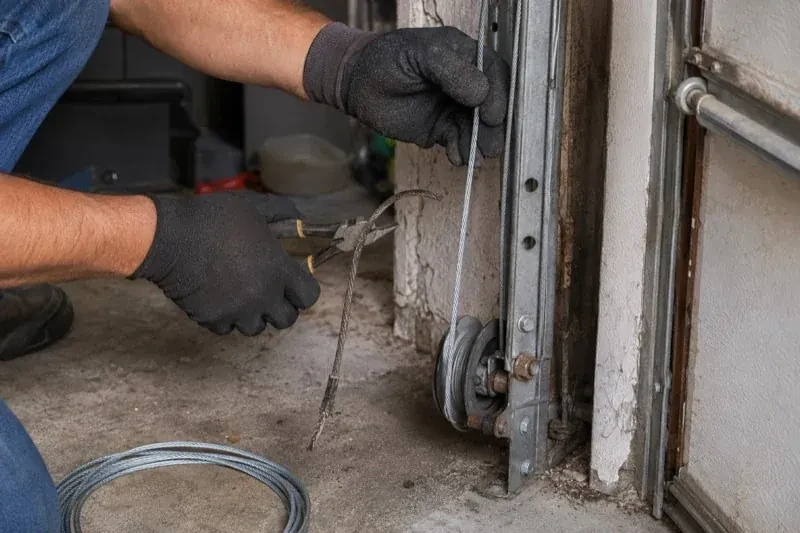
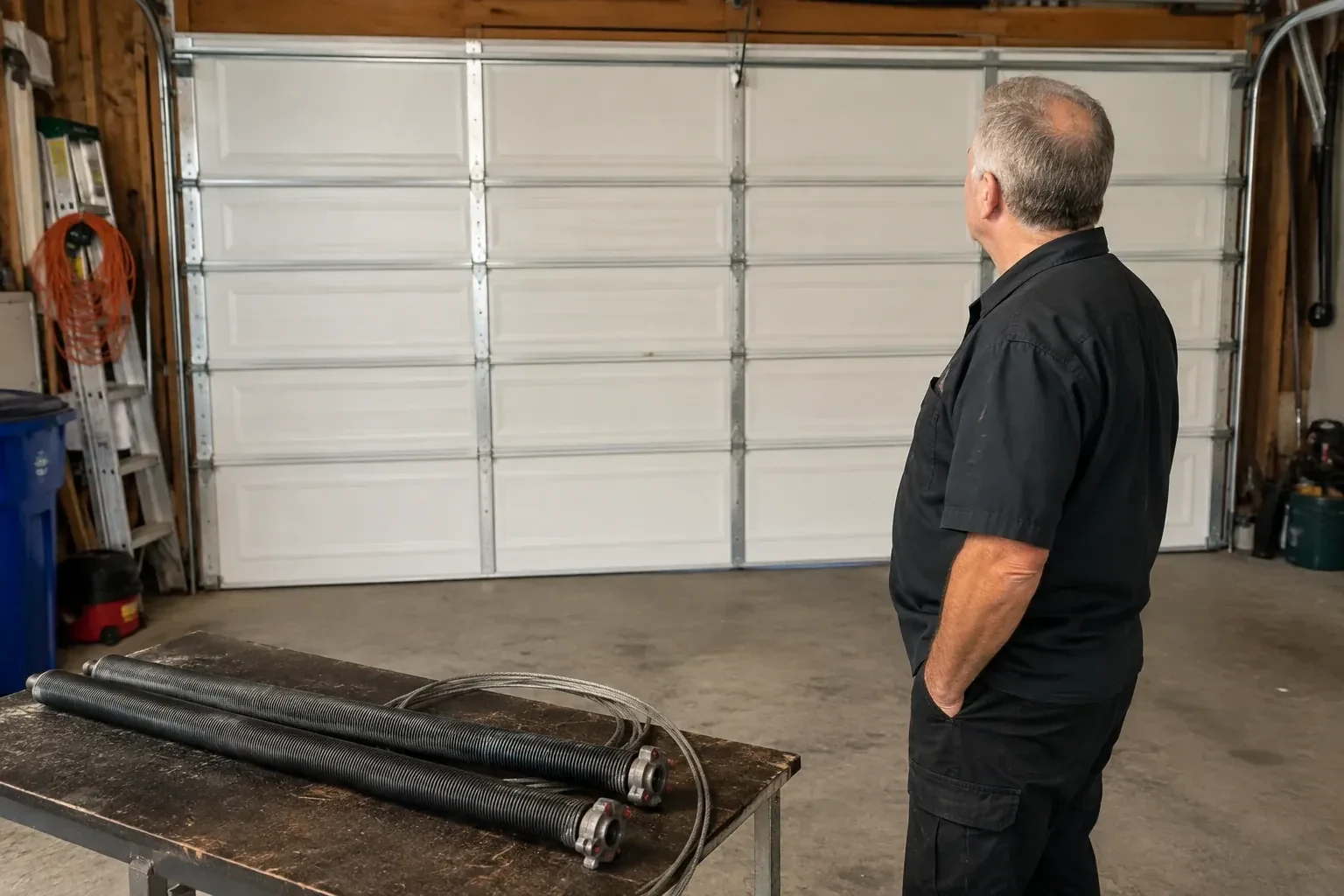
Care with heavy parts. Springs and cables are handled with the right tools and a steady method, and the door is secured before any tension is released.
Clear about what comes next. Before we leave, you know what was done, what to watch for, and when the door might want attention again.
Get in touch about your garage door in Forest Hill.
The services below are the ones we perform most often for garage doors in Forest Hill. Springs and cables top the list, followed by opener repairs, roller and hinge replacement, seal and weatherstrip work, balance and safety adjustments, remote programming and, when the time comes, new doors.
About 58% of homes in Toronto were built in 1980 or earlier, according to the 2021 Census.
Older homes
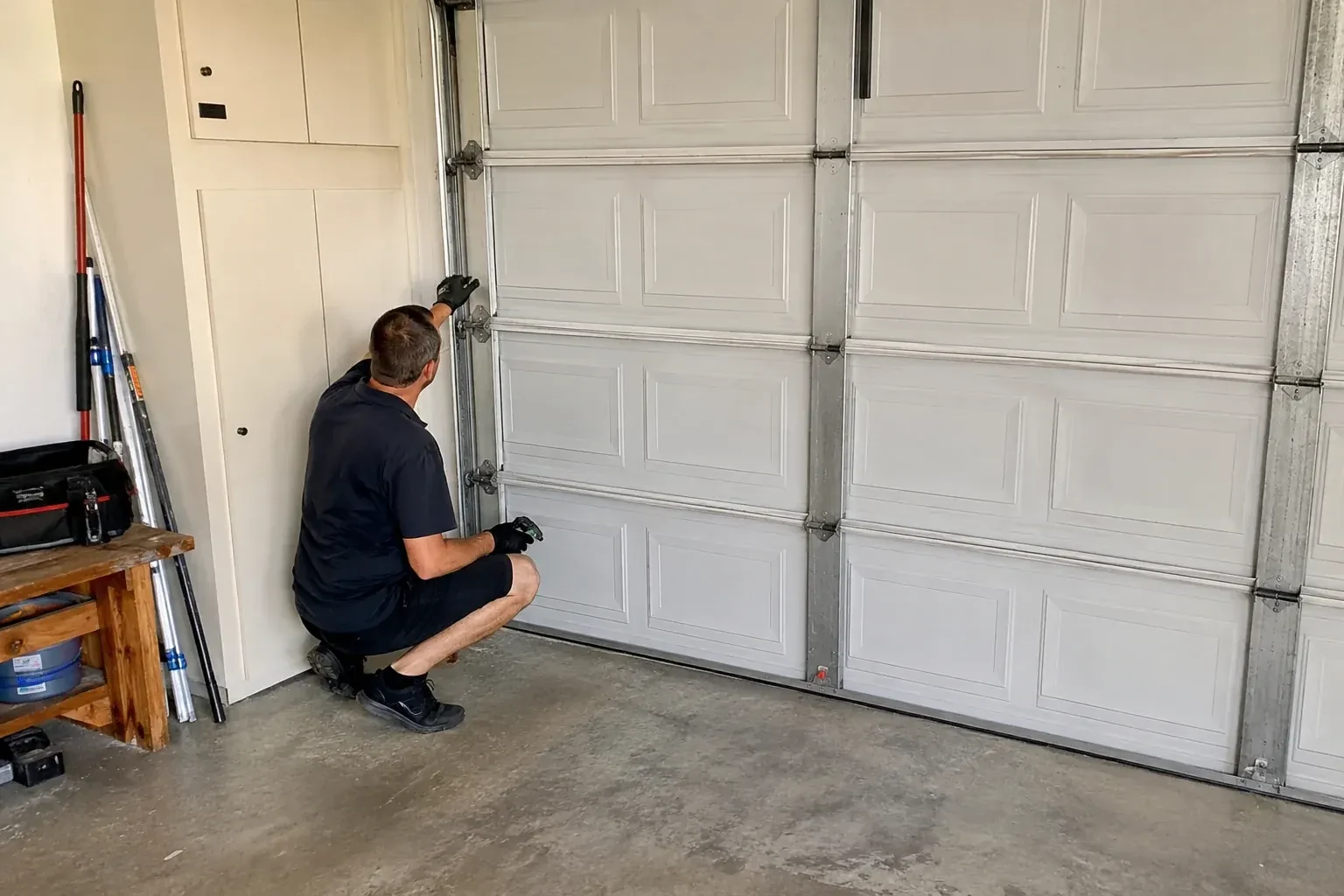
Wood door frames in an older house settle and swell over the decades, which can leave a door rubbing on one side. Rather than forcing the opener, the technician trues the tracks, adjusts the jamb seals and sets the door so it travels freely again.
Single-detached houses make up about 23% of homes in Toronto (2021 Census).
Where most homes are townhouses, condos or apartments, garage doors are often shared: a single overhead door or gate serving an underground or common garage. Those doors run on commercial operators built for constant use, and their upkeep is usually arranged through the building's management.
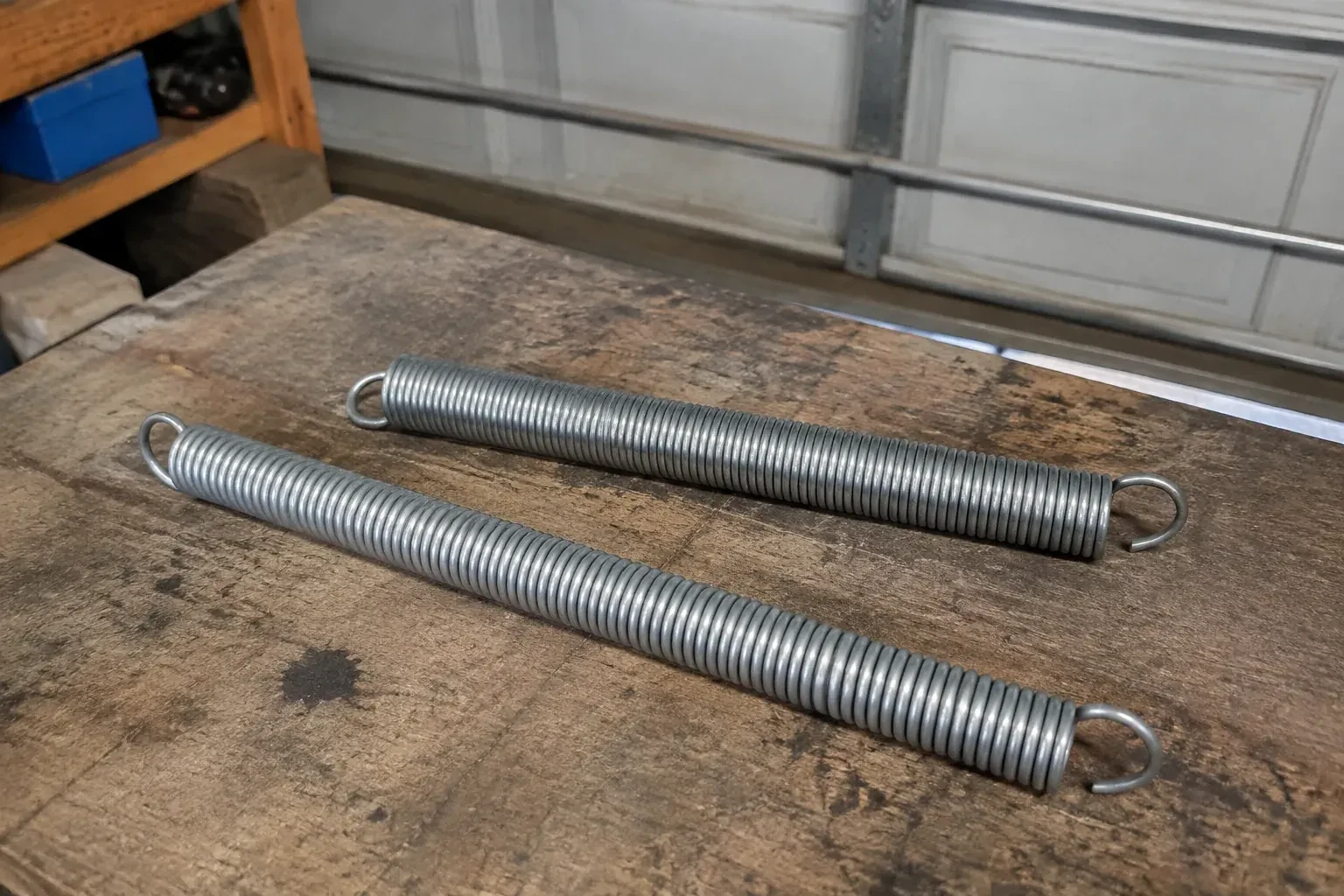
Older homes often carry extension springs stretched along the tracks; newer ones use a torsion bar above the door. We work on both, and we can convert one to the other when it makes sense.
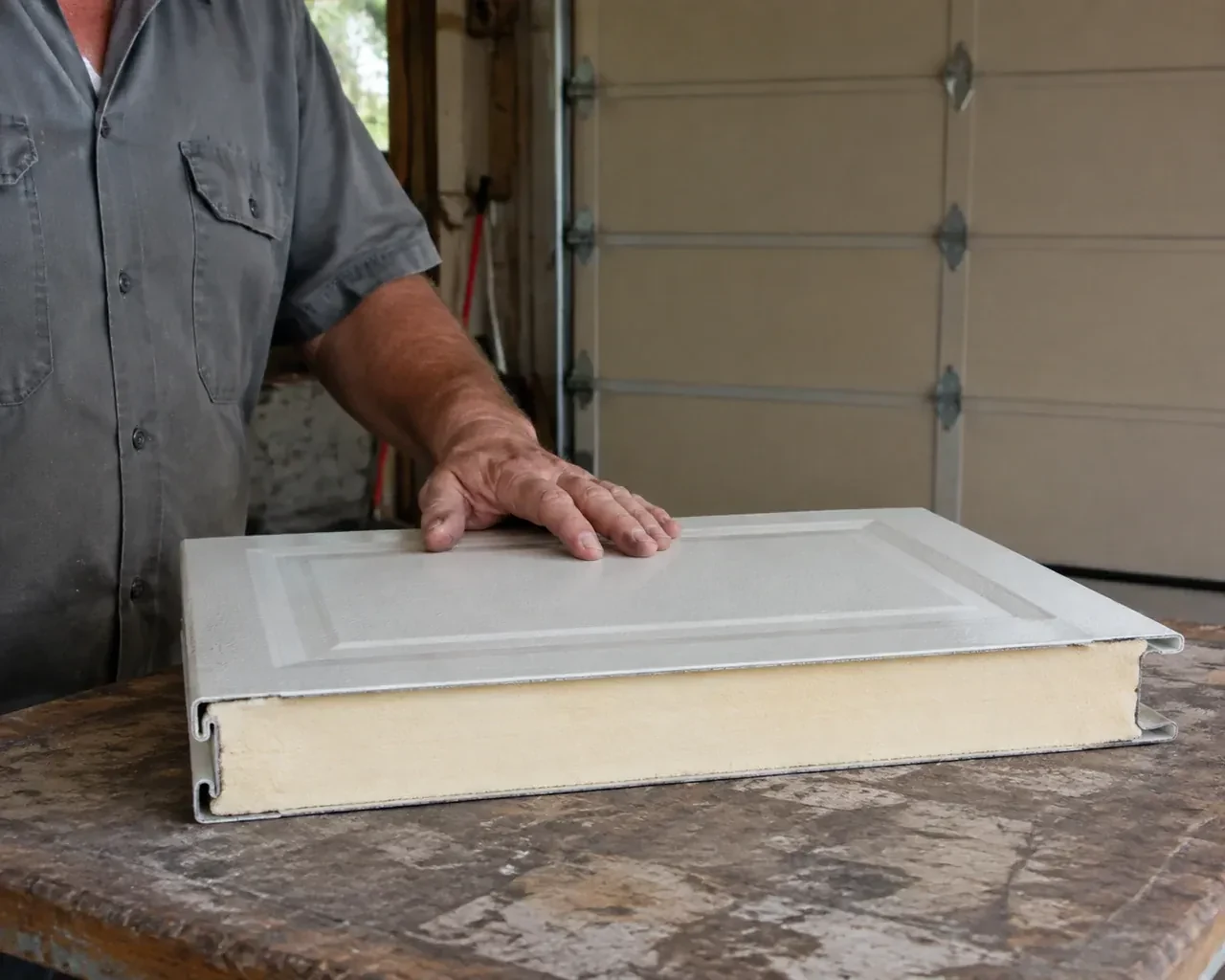
The right door for this climate has insulated sections, seals that stay flexible in the cold and hardware that shrugs off salt. Those are the qualities we look for when helping you choose, and the ones we install for.
WhyThe opener deserves as much attention as the track.
An entrance. Not an afterthought.
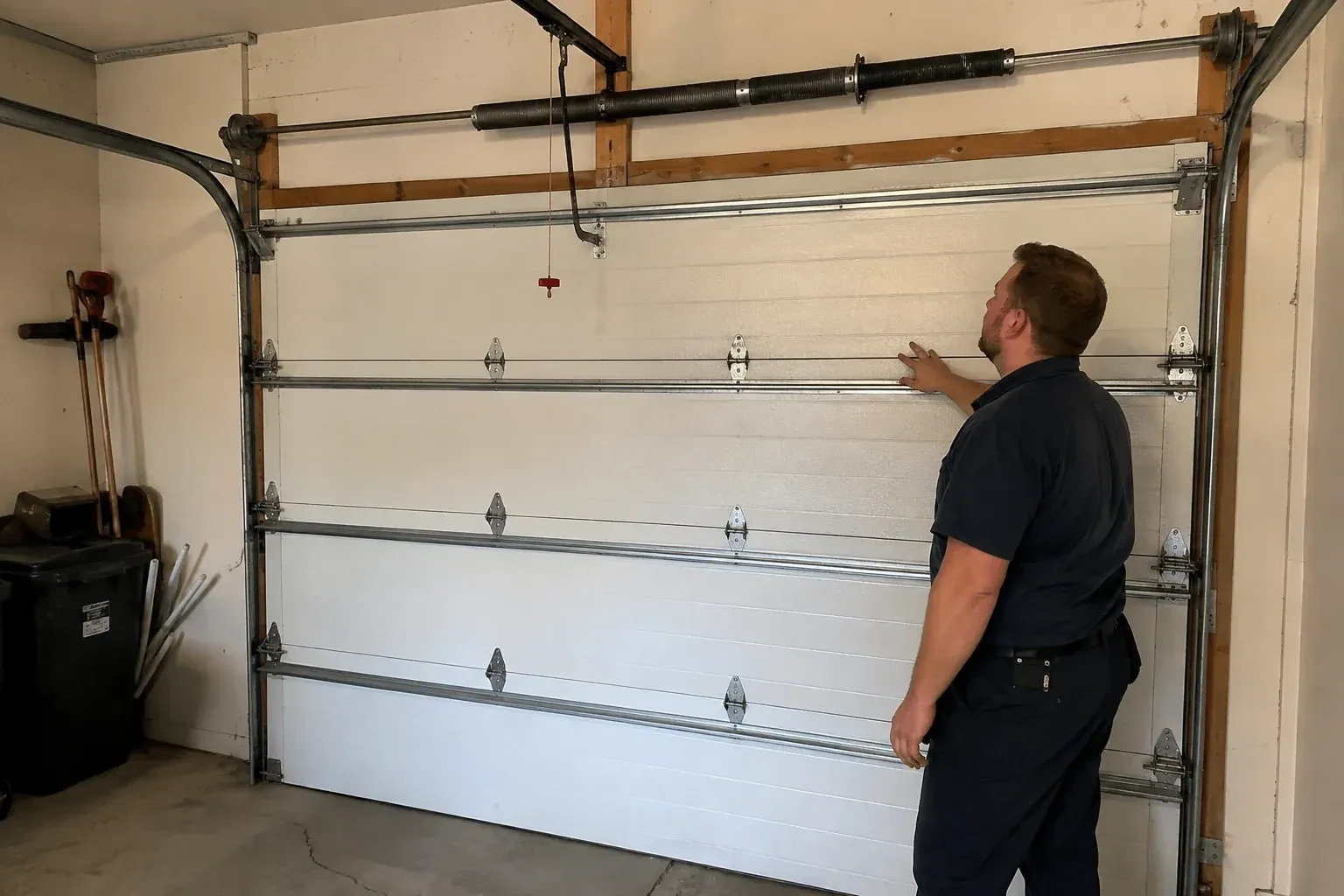
1/10Garage Door Safety Inspection
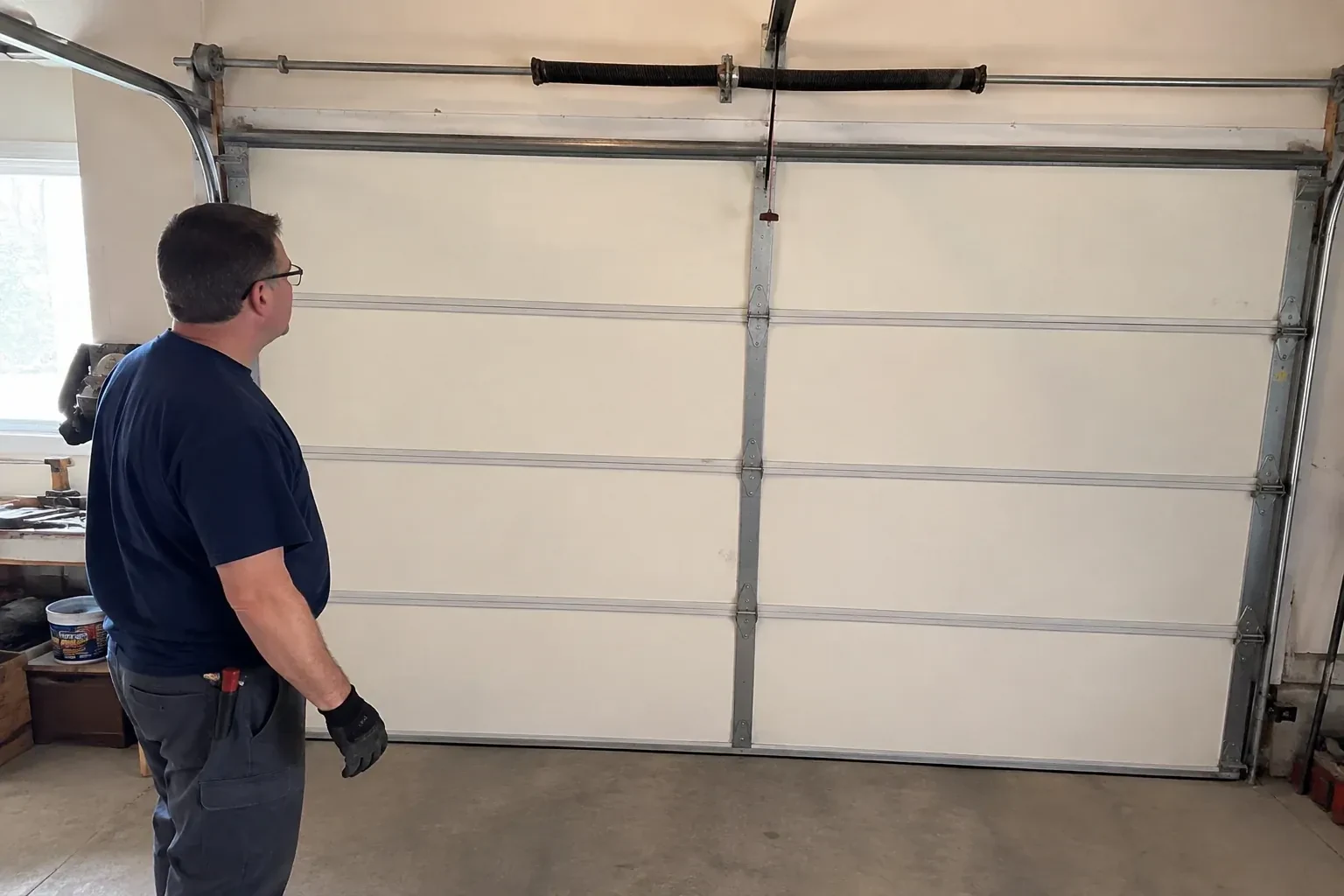
During the power outage you pulled the red cord and tried to lift the door by hand. It felt like lifting a piano, and when you let go part-way it sank back toward the floor on its own.
Your car is inside and the door is stuck crooked across the opening. Pushing the wall button just makes the motor hum, and one section is bent where a roller has climbed out of the curve at the top of the track.
Years of slap shots have peppered the lower two sections with dents. Each one alone is small, but from the street the door looks tired, and the deepest dent near the centre has cracked the paint and shows bare steel.
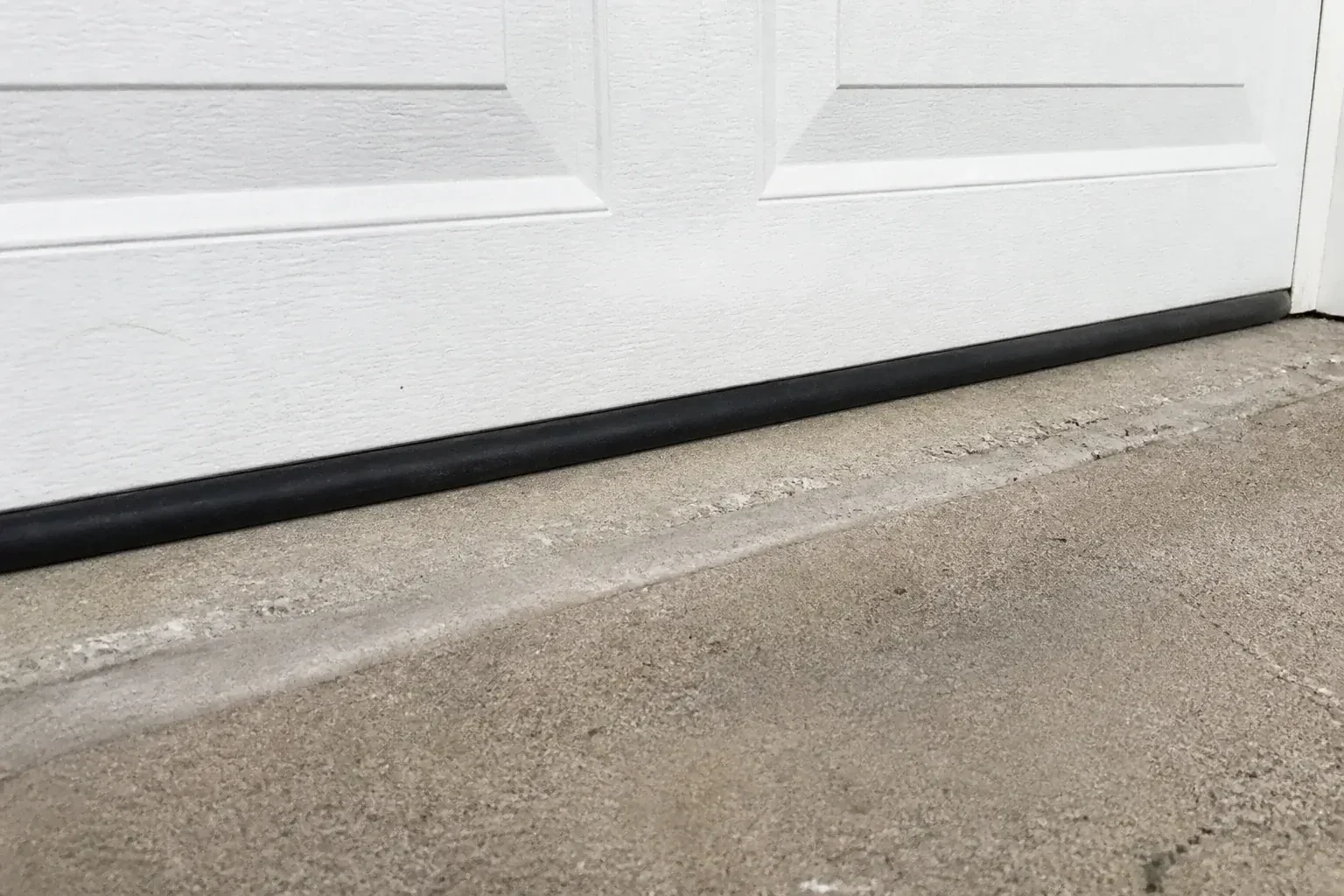
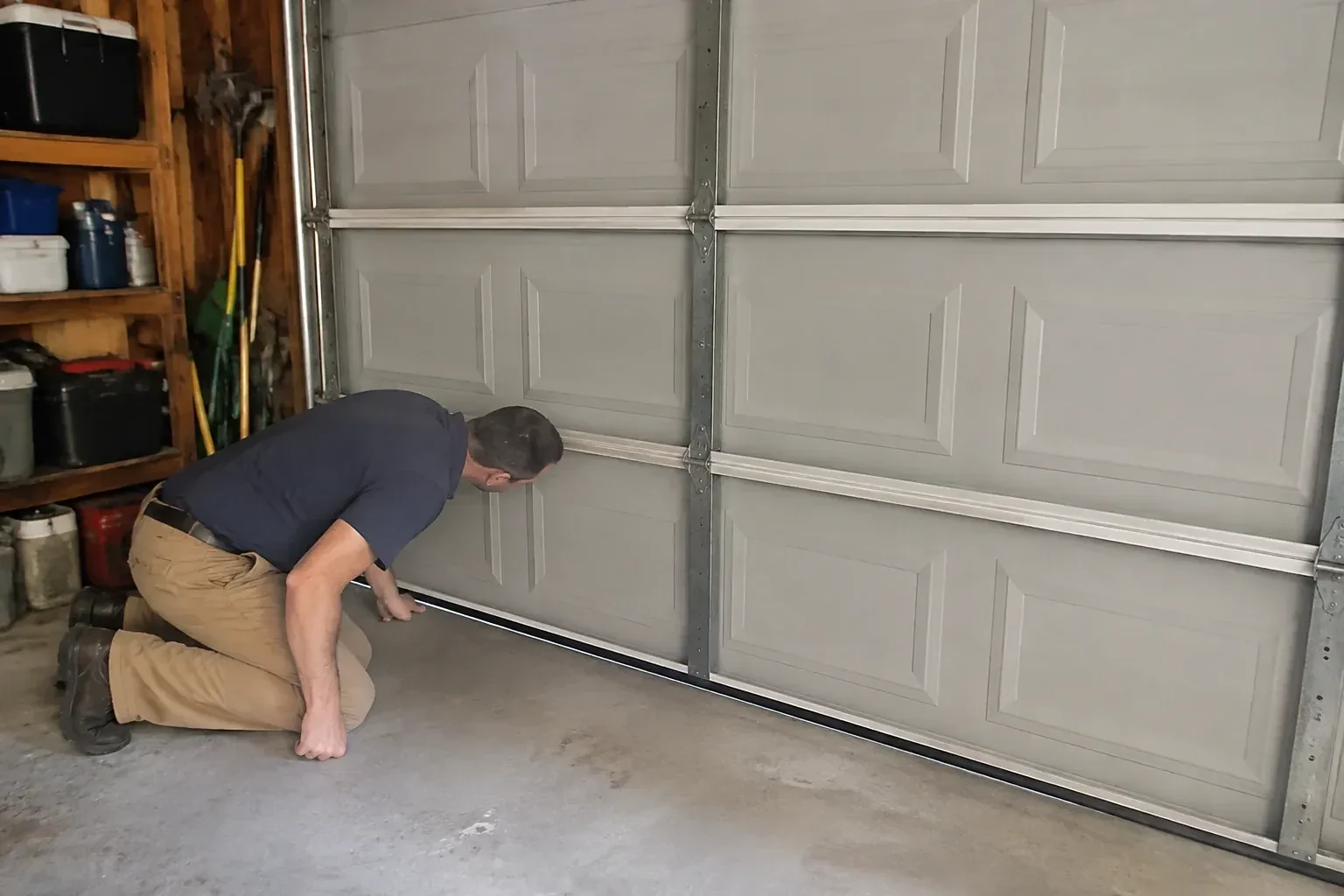
With the door closed and the lights off, a bright line of daylight runs along the floor from one side to the other. Leaves and grit have blown in under it and gathered in a neat drift against the back wall.
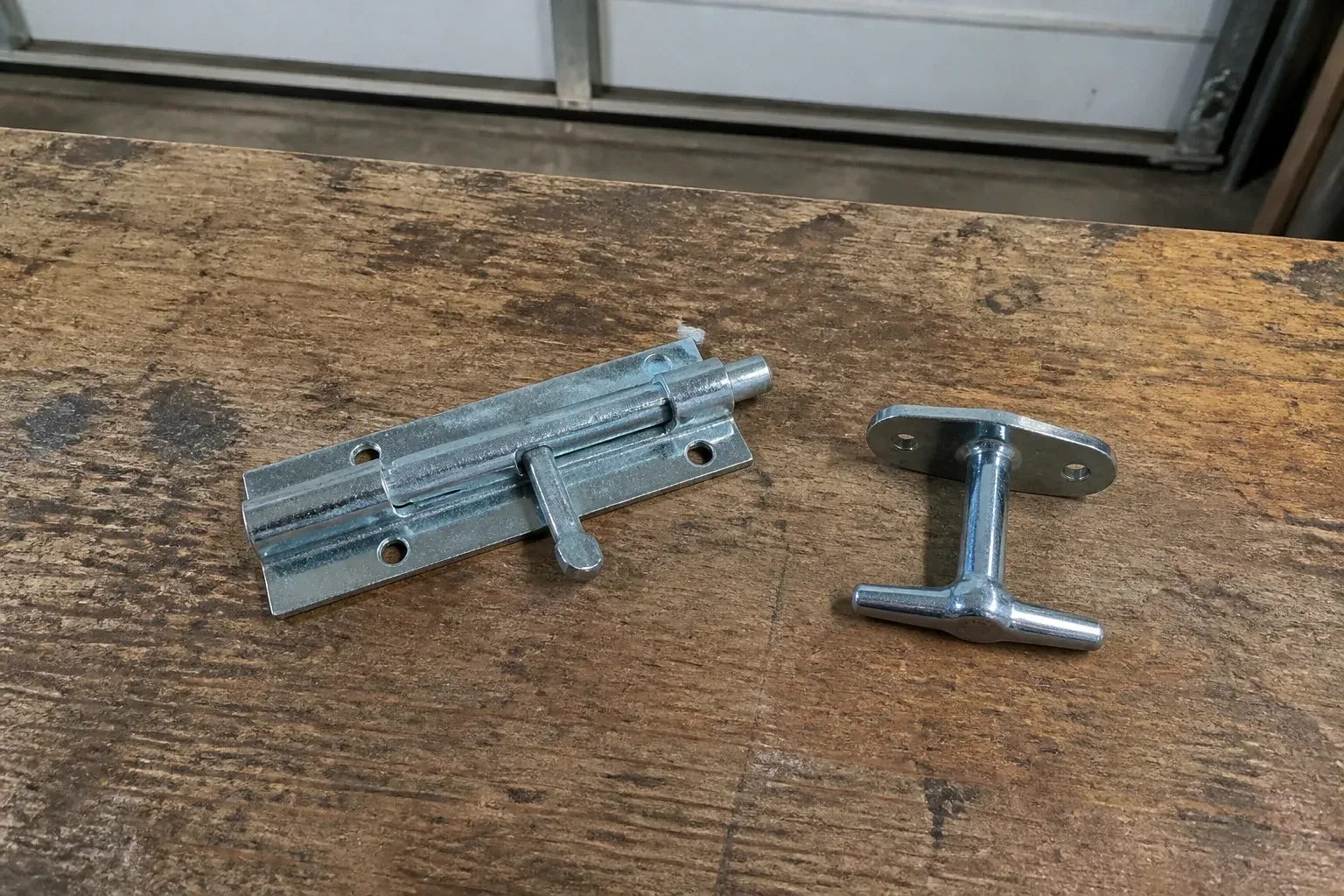
You have just moved in. The garage door carries a proper keyed handle on the outside, but no key came with the house, and the inside slide is painted over. You would like to be able to use it.
After a cold night the bottom seal had frozen to the slab. The opener strained, something gave, and now one of the upper hinges sits with its leaf bent outward and the panel below it flexes when the door moves.
The opener has started to groan on the way up. The door climbs slowly, hesitates near the top, and on the way down it sometimes stops a hand's width above the floor and reverses, as if something were in the way when nothing is.
The opener is an older one with a row of tiny switches inside the remote. The last remote finally died, the maker stopped selling that model years ago, and the door itself still runs perfectly from the wall button.
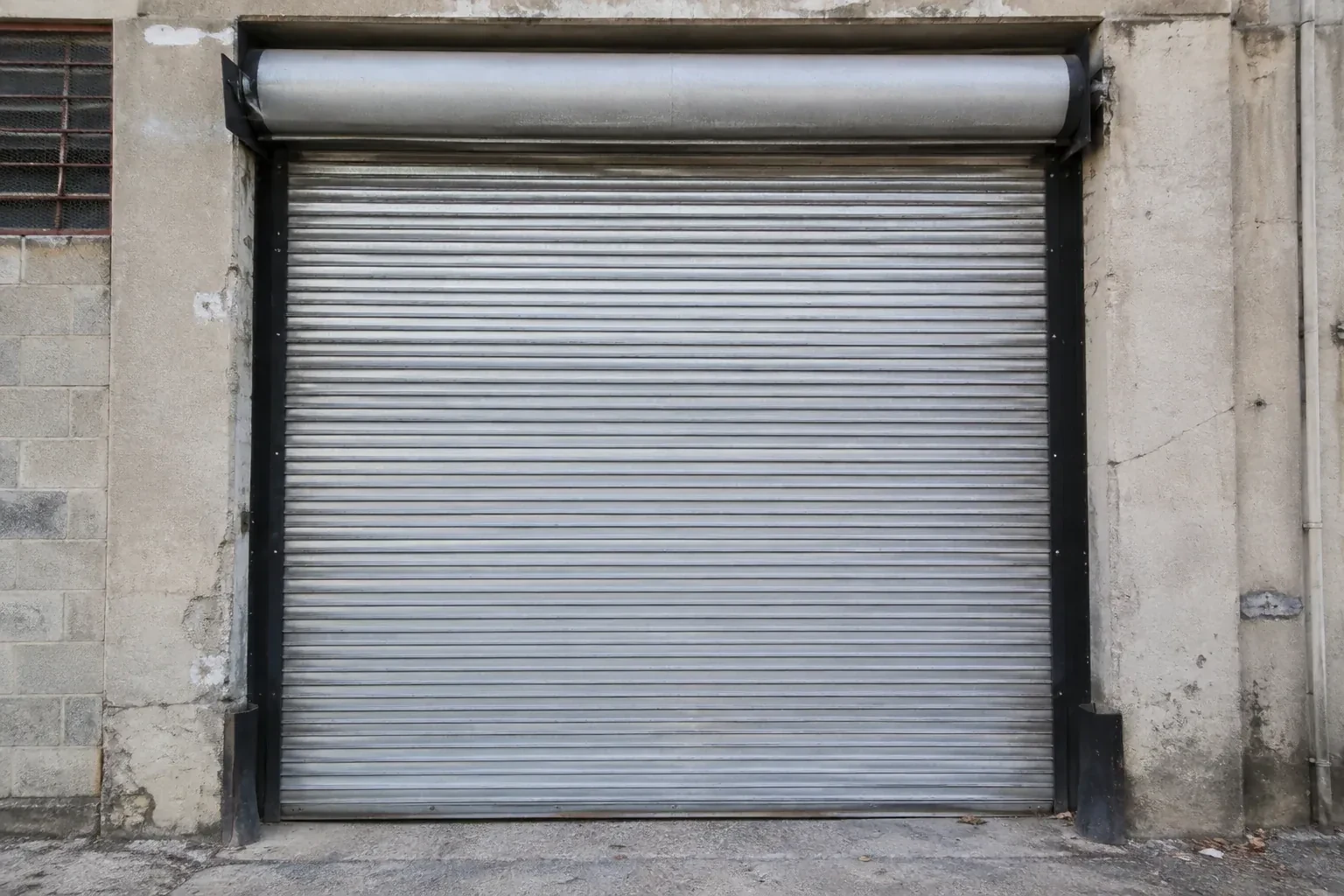
A metallic clatter now comes from inside the hood whenever the curtain coils. The sound follows each revolution, the travel has become jerky, and fine metal dust is visible near one bracket and bearing.
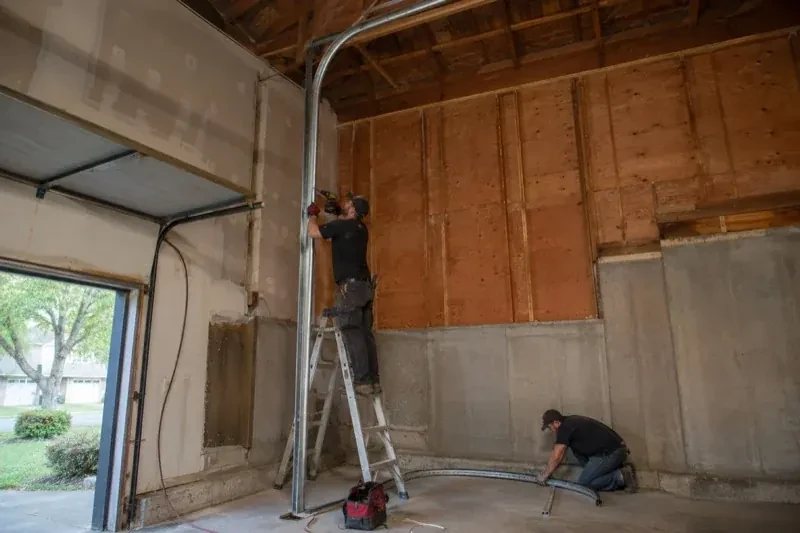
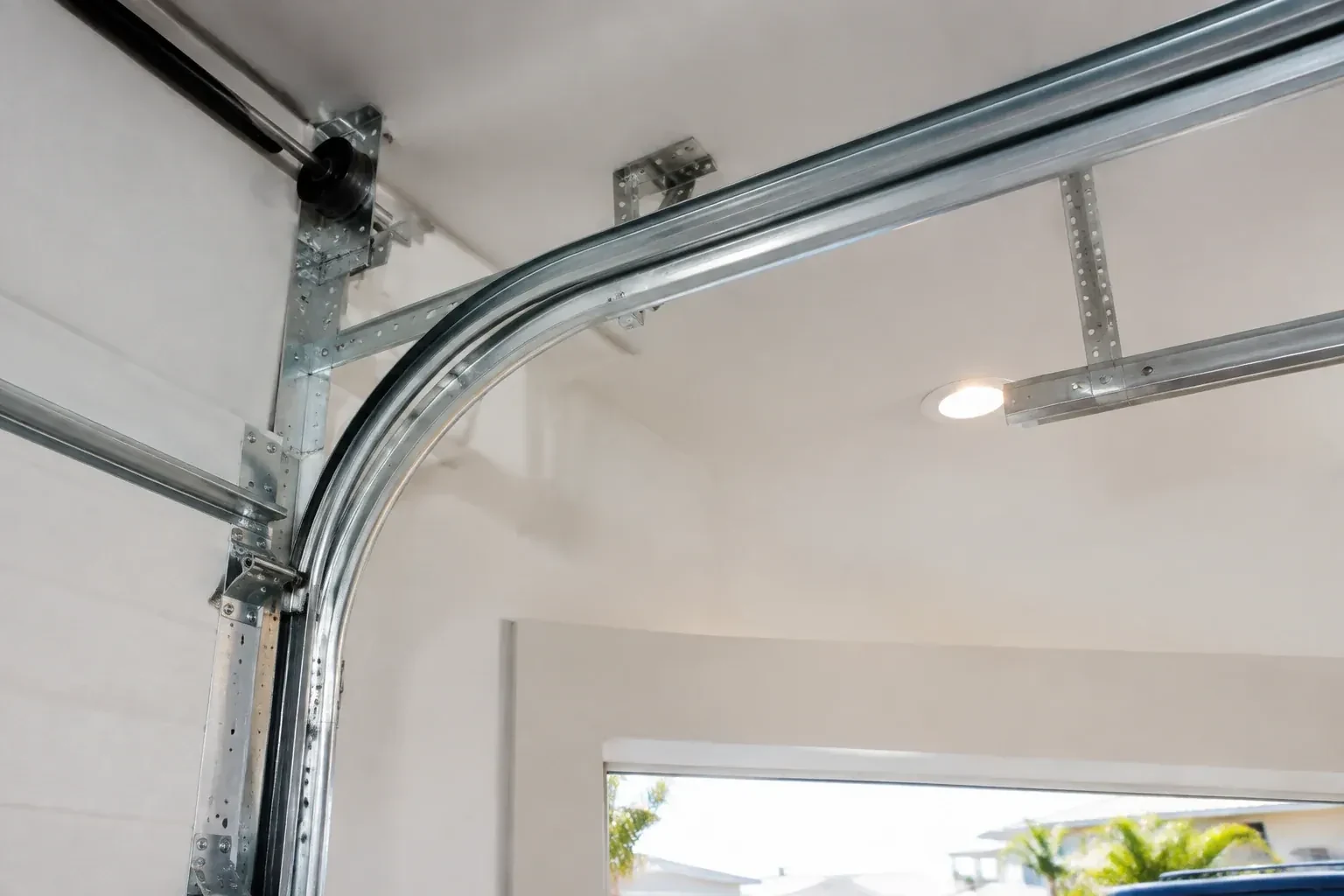
You want to keep the sectional door, but its standard track layout conflicts with a renovation above the parking bay. There is visible room over the opening for the door to climb before it needs to turn inward.
Move the car out if you can and clear a metre or so in front of the door and along both tracks so the technician can reach the hinges and brackets. Find the door and opener manuals and any earlier repair paperwork. Have every remote and the keypad code to hand. If something has changed lately, be ready to say when and what you noticed first. If the door looks wrong, leave it where it is.
Why do rollers wear out, and how would I know?
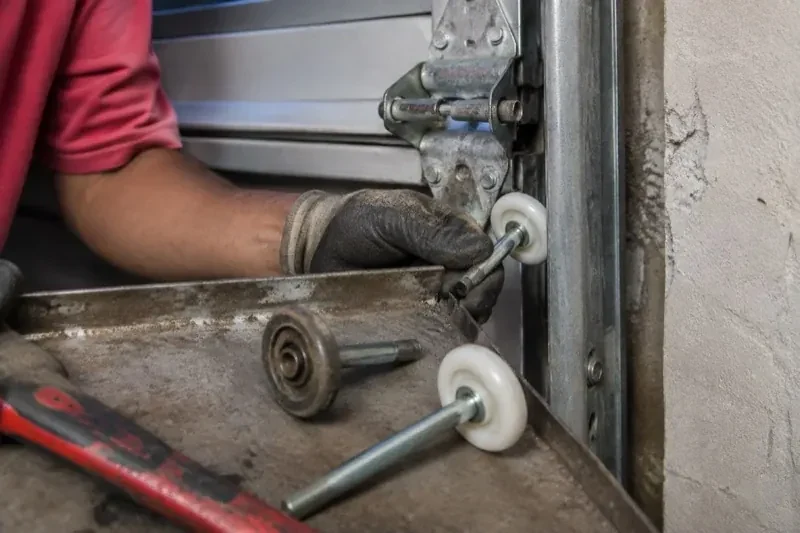
Rollers turn thousands of times a year while carrying part of the door's weight, and their small ball bearings wear, fill with grit or fall out. Nylon tires can crack and steel wheels can wear flat spots or grind down to the stem. A worn roller squeals, wobbles in the rail or lets the door shudder at the curve. Replacing them as a set restores a quiet door and removes a common cause of a roller dropping out.
Can a section with windows be replaced, or windows added?
Yes on both counts, within what the manufacturer offers for your model. A damaged glazed section is ordered as a glazed section, with the frame style and glass type specified. Windows can also be introduced by ordering the replacement, usually the top section, in a glazed version. Bear in mind that a glazed section can weigh differently, so spring tension is checked, and that the window frame style should be chosen to suit the door's panel design.
How do I know which size and type my door takes?
Look at the end of the bottom section for the metal or plastic strip that holds the seal. Count the channels, note whether they are slotted or rounded, and measure the distance between them and the width of the door. A photo of the end of the retainer and one of the seal's cross-section is usually enough for the technician to identify the profile before the visit and bring the right roll.
How long does a manual lock repair usually take?
An adjustment to a slide bolt or a guide is a short job, while a full T-handle replacement with new bars, a rekey and a door alignment fills a longer visit. Most calls sit somewhere between, and the technician gives you a realistic sense of the time once the door has been looked at, rather than guessing from the phone.
What are the hinges made of?
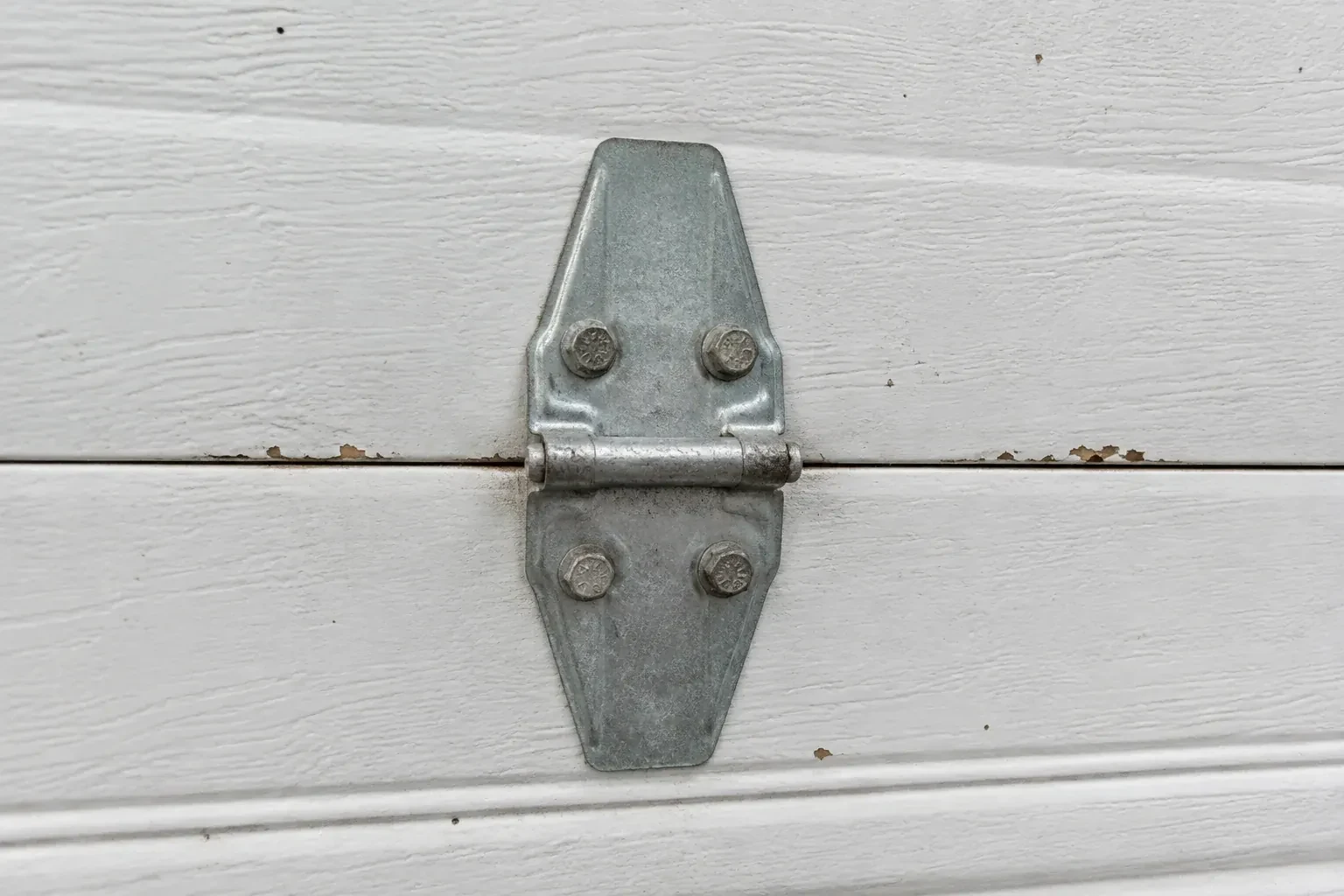
Stamped galvanized steel, formed into two leaves joined by a pin or a rolled tube. The zinc coating is what resists rust in a garage that sees wet cars and salt, and it is why a scratched or bent hinge starts to brown at the damaged spot. Edge hinges include a tube that holds the roller stem. Thickness is given as a gauge, most residential hinges being 14 or 18.
Can the opener's force setting be turned up instead of adjusting the springs?
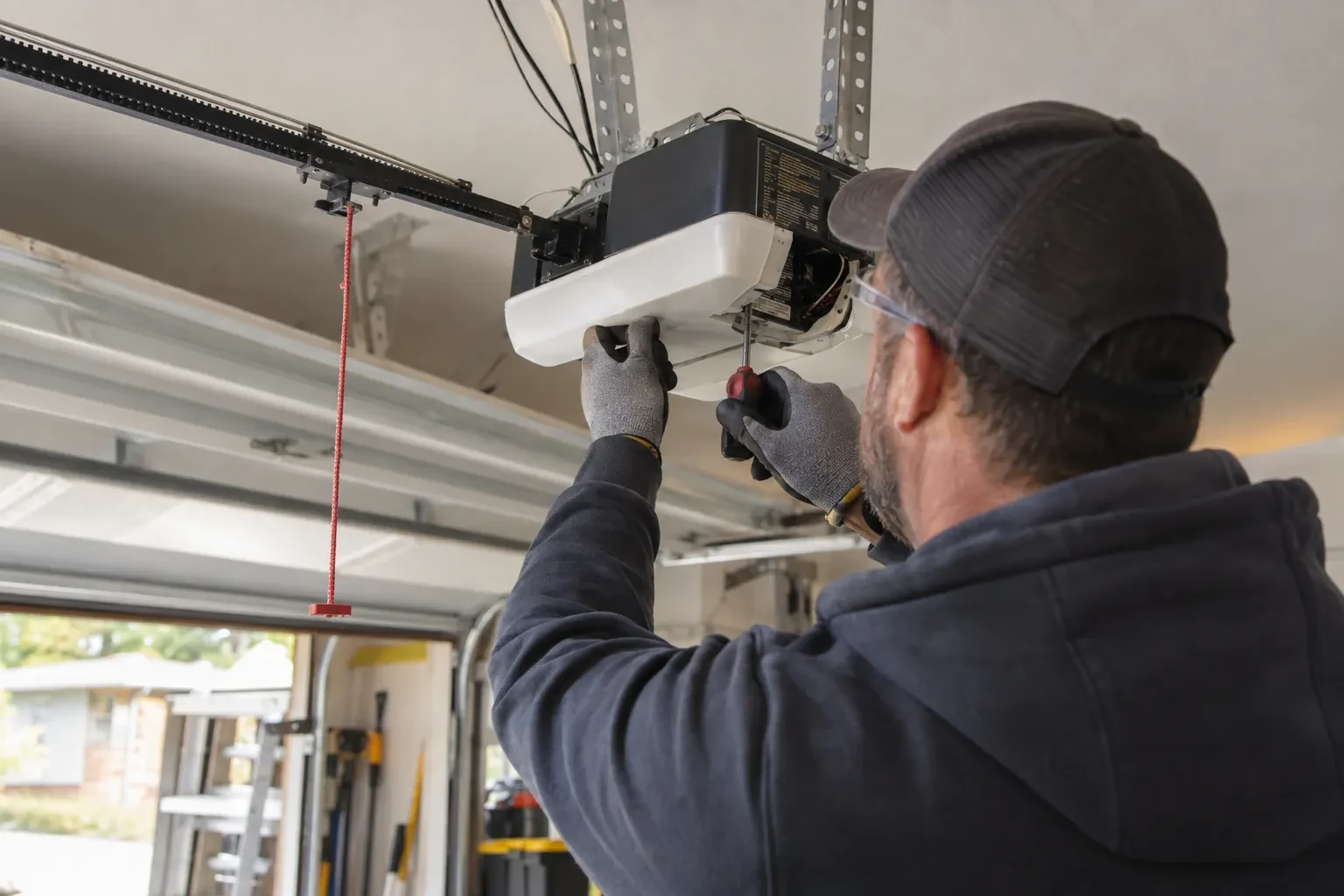
The opener is built to move a balanced door, and its force limit is what makes it stop and reverse on contact. Raising that limit to lift a heavy door pushes the safety behaviour out of its intended range and works the motor and gears hard. The sound order is to balance the door first, then set the opener to suit it. Both are done in the same visit.
How do I program the built-in button in my car?
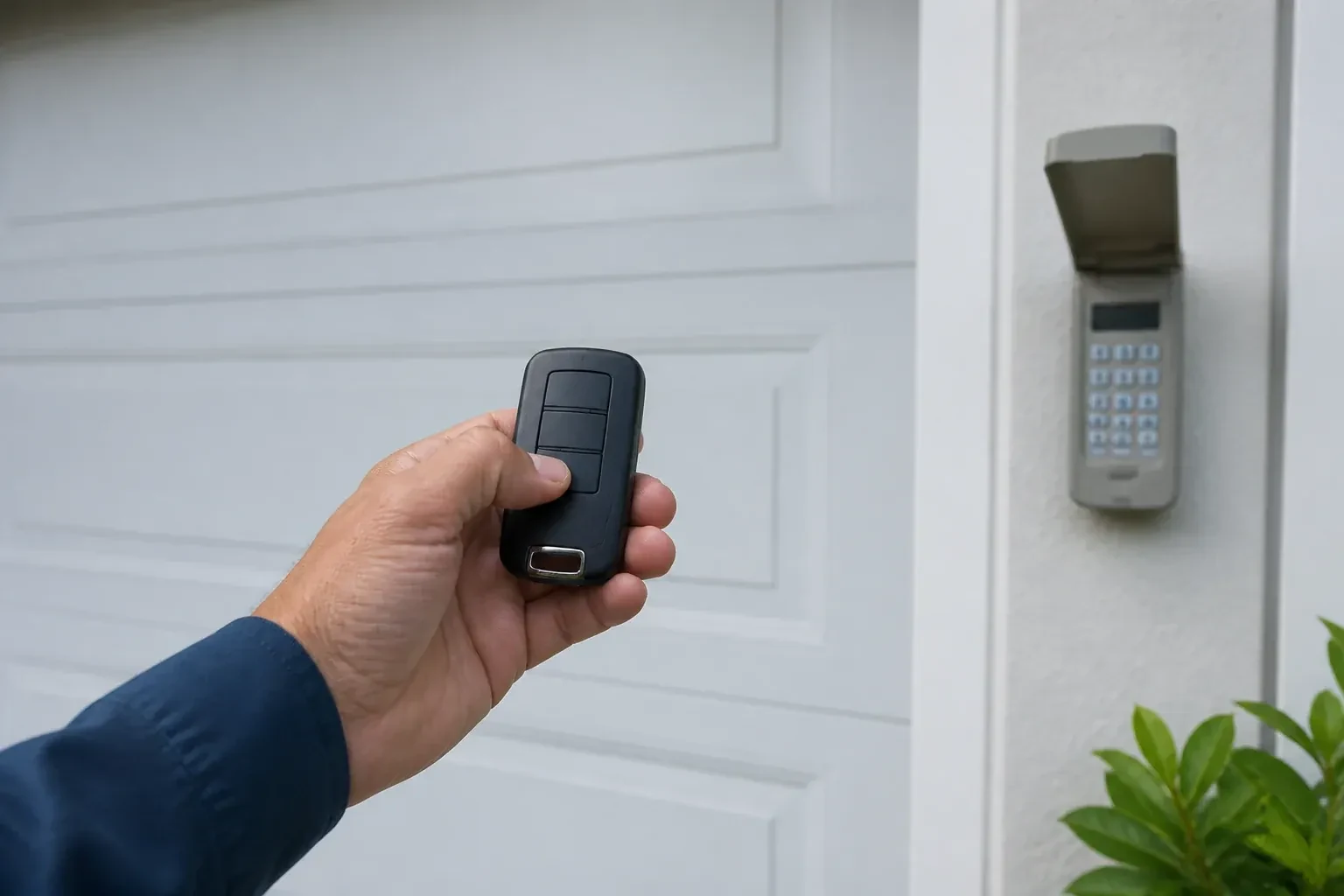
Often in two steps, on a common HomeLink-style setup. First the car learns a working handheld remote: hold the remote close to the mirror or console and press its button together with the vehicle button until the indicator changes. Then the opener learns the car: press learn on the head unit, walk back to the car within the window that follows, and press the trained button repeatedly until the door responds. Some vehicle systems use a different sequence with no handheld remote, so the vehicle manual is checked first.
How can repeated vehicle damage be reduced?
Start with the impact pattern and traffic route. Guide guards, bollards, visible floor markings, mirrors, revised staging, vehicle-detection accessories or a different control position may help, depending on the site. Operators should report contact before more cycles spread a guide or curtain defect. Any protective addition must preserve required clearances and door operation.
What should be moved before the installation visit?
Clear vehicles, shelving contents, loose tools and stored items from the opening, side walls and overhead work zone identified during assessment. Provide access to power controls and the operator. If a vehicle lift is already present, leave it in the agreed position and share its operating dimensions. A tidy bay supports safe equipment placement and accurate alignment work.
Request a visit
For customers in Forest Hill the sequence is always the same. Assess the door in person. Explain what was found and why. Price the options on site. Do the agreed work with the door secured and the right tools. Test every part of the travel. Show you what changed. Then clean up and go.