New Doors · Toronto
Sectional Garage Door Replacement
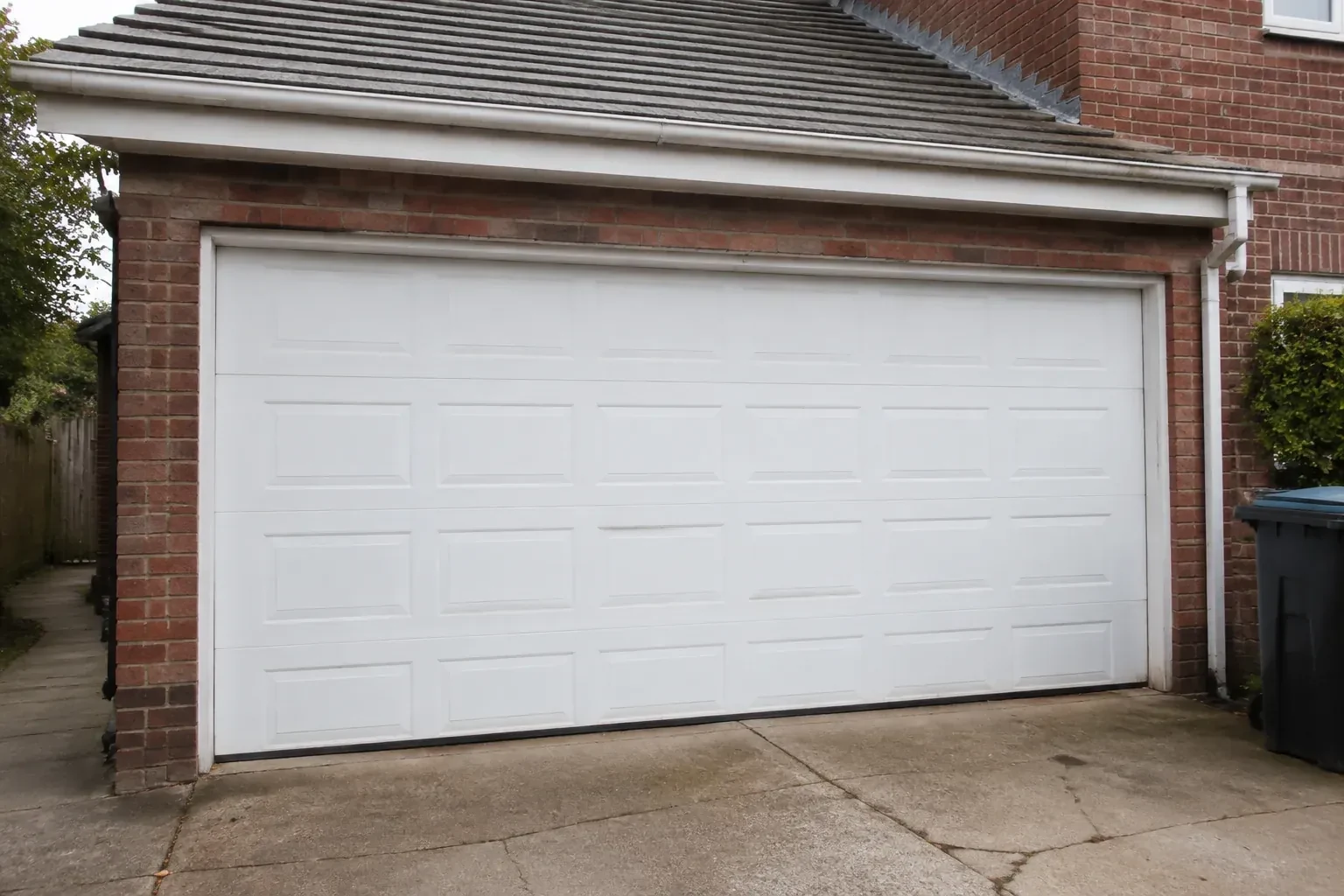
The bottom section has absorbed years of moisture and road-salt residue.
In plain words
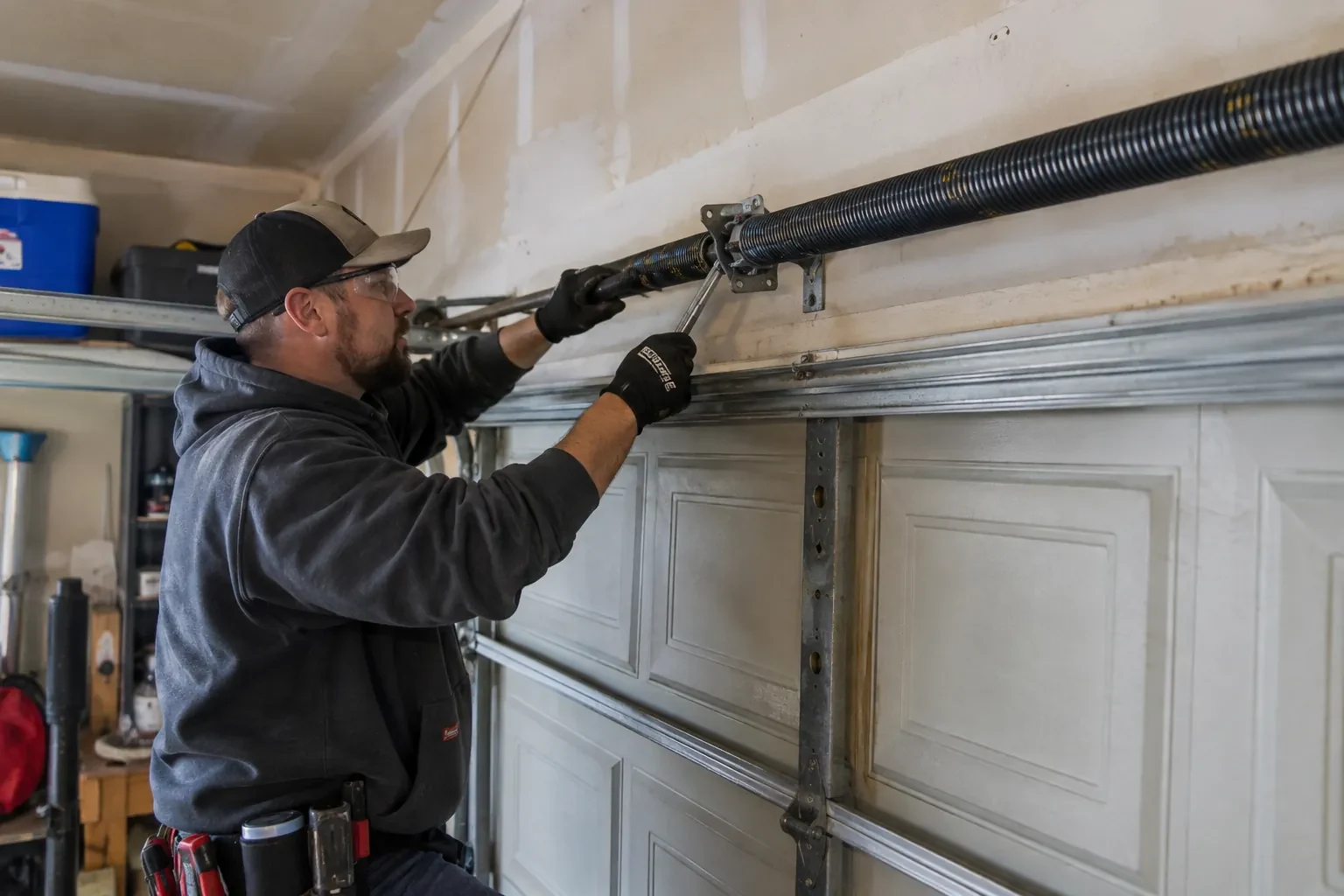
The spring system is selected only after the new door's completed weight and hardware configuration are known. During replacement, technicians secure the old assembly, release its stored tension in a controlled sequence and remove each component. The new sections and track go in before lift cables and counterbalance hardware are set to the product instructions. Manual balance at several door positions then shows whether the setup supports the weight evenly. Powered operation follows only after that mechanical result is established.
How the visit goesYour renovation changes how the ceiling space will be used. The existing track conflicts with new storage and lighting, so the replacement needs a measured track arrangement that follows the available headroom and backroom.
Sectional Garage Door Replacement
How the visit goes
Reviewing attachment surfaces
Track and counterbalance hardware depend on solid fastening points, so the jambs, header and overhead framing receive their own review. The technician looks for loose cladding, deteriorated wood, hollow areas, previous holes and rear-track supports that lack suitable bracing. Masonry, steel and wood openings require different anchors and preparation. Any carpentry or structural decision outside the door installation is identified early, allowing the customer to arrange it before the site is ready for the new hardware.
Balancing before powered travel
The opener stays disengaged while the completed door is moved by hand. Technicians use the designated handles, listen for roller or hinge interference and pause at several heights to assess counterbalance. Cable seating, track clearances and section alignment are watched through repeated travel. If the door rises, drops or binds, the mechanical setup is corrected under controlled conditions. Only a door that travels smoothly and carries its weight appropriately proceeds to automatic operation.
Smooth movement by hand
The finished door can be disengaged from the opener and operated from safe gripping points. It should move through the track without harsh catches, cable slack or sections rubbing at the curve. A well-set counterbalance makes that manual travel manageable and helps the door remain controlled at test positions. The handover includes a demonstration of this movement and the release mechanism, giving the owner a useful reference for recognizing a meaningful change in balance later.
Sectional Garage Door Replacement
In the van
Track radius
Lift cables
Torsion springs
Rollers
Horizontal track
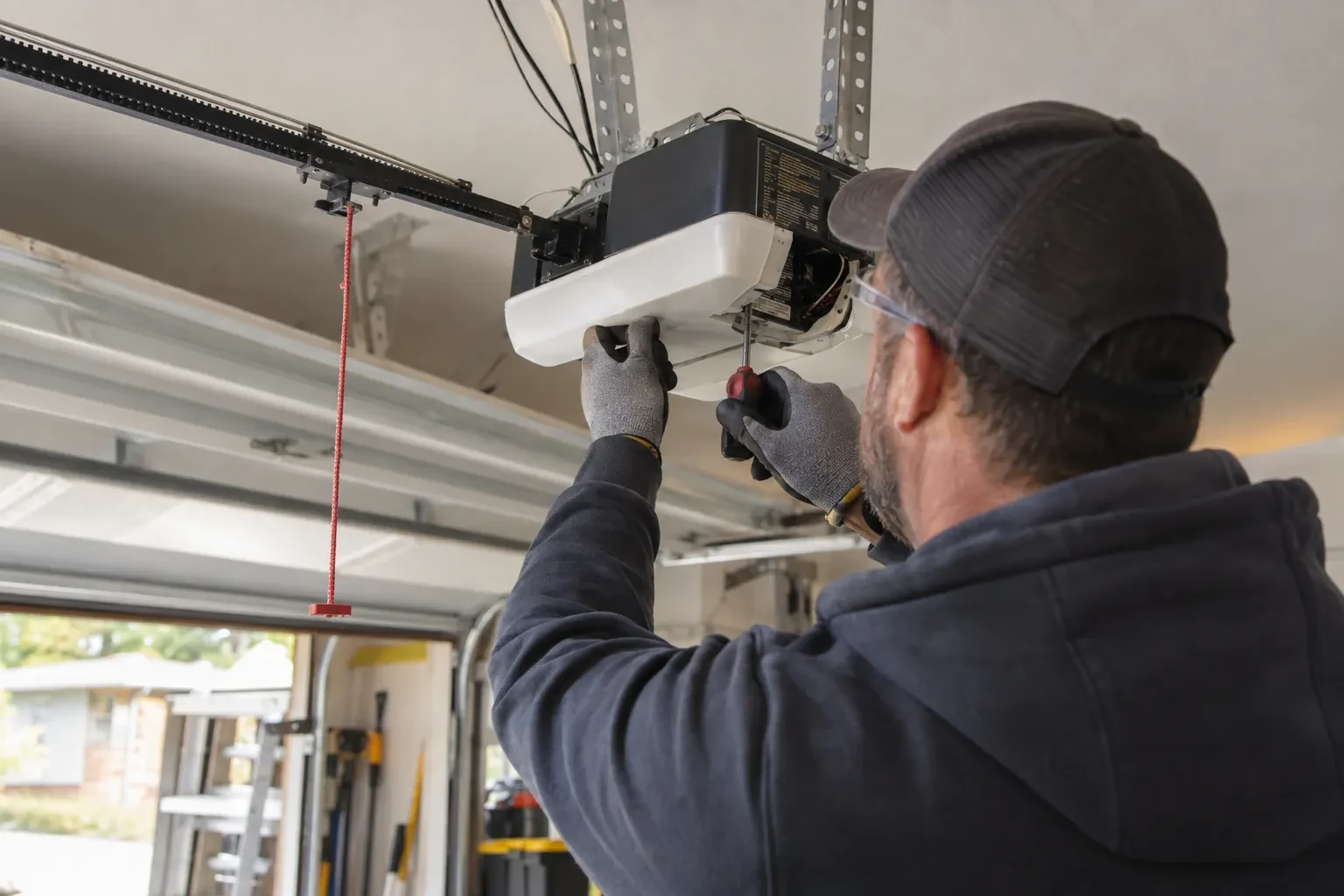
Sectional Garage Door Replacement
What affects the quote
Opener coordination
Reconnecting an existing operator, adding section reinforcement, relocating the rail or installing separate operator work changes the tasks and testing listed in the quote.
Site access
Tight driveways, shared entrances, finished interiors, stairs or limited staging space can alter how long sections and track reach the opening and how the area is protected.
Removal and disposal
The size, weight and material of the existing door affect dismantling and handling. The proposal should state whether old sections, track and hardware are removed from the property.
What to have ready
- Are the jambs or header visibly damaged or altered?
- Which colour and panel style suit the exterior?
- Can vehicles and stored items be moved from the work area?
Sectional Garage Door Replacement: questions
QuestionsHow can I tell if the balance has changed later?
During a planned manual check, a meaningful change may appear as a door that feels much heavier, will not remain controlled at an intermediate position or begins moving unevenly. New cable slack, rubbing or abrupt travel also deserves attention. Note the position and behaviour, then keep the door still for a technician's assessment.
What maintenance can I do myself?
Keep the door path and seal contact areas clean, visually observe cables and rollers from a safe position, and use designated handles for occasional manual checks. Test operator safety functions as its instructions describe. Adjustments to springs, cables or bottom fixtures remain technician work because those components carry the counterbalance forces.
What happens to my current opener?
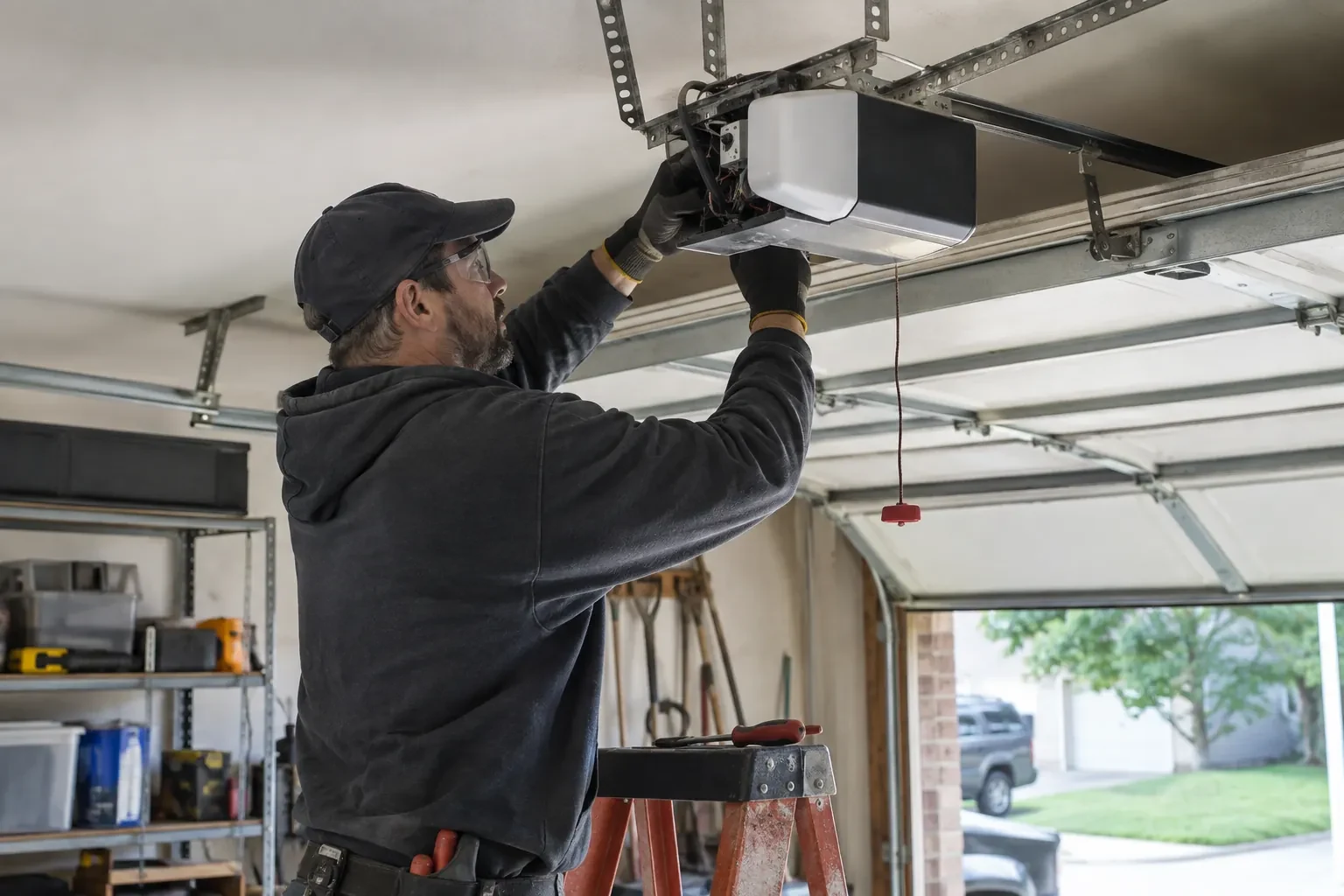
Its condition, intended capacity, rail position and connection geometry are reviewed against the proposed door. If it is suitable and included in the scope, it can be reconnected after the new door passes manual travel and balance checks. Limits, photo eyes, reversal response and emergency release are then tested for the completed system.
Related services
- Wind-Rated Garage Door ReplacementYou are combining two narrow garage bays into one broad opening.
- Carriage-House Garage Door InstallationCold air is noticeable around the current door, especially near the floor and section joints.
- Full-View Glass Garage Door InstallationYou like the brightness of clear glazing but not a direct view of everything stored inside.