Repairs · Forest Hill
Garage Door Manual Lock Repair in Forest Hill
It is a February morning and the key goes only halfway into the garage handle.
In plain words
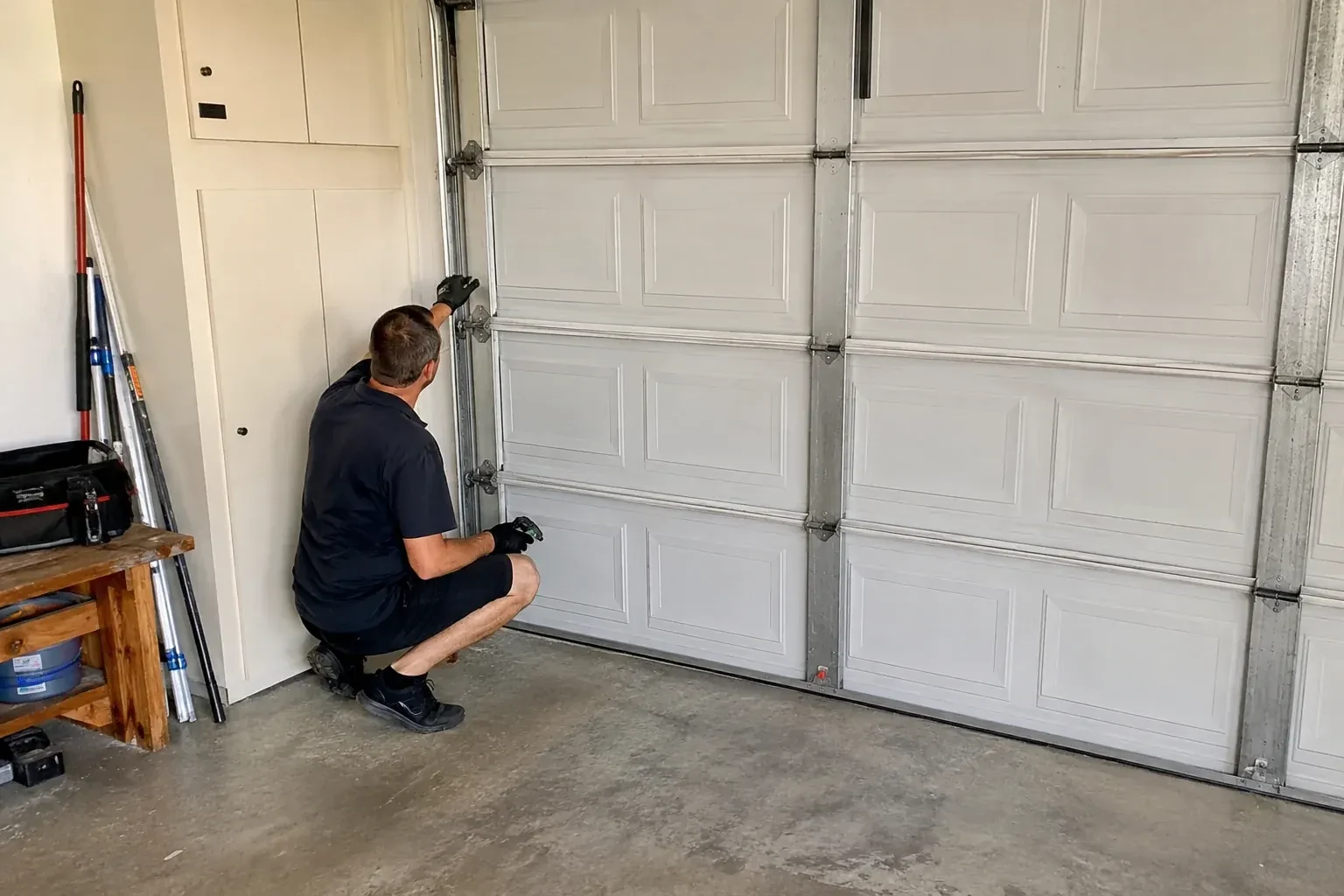
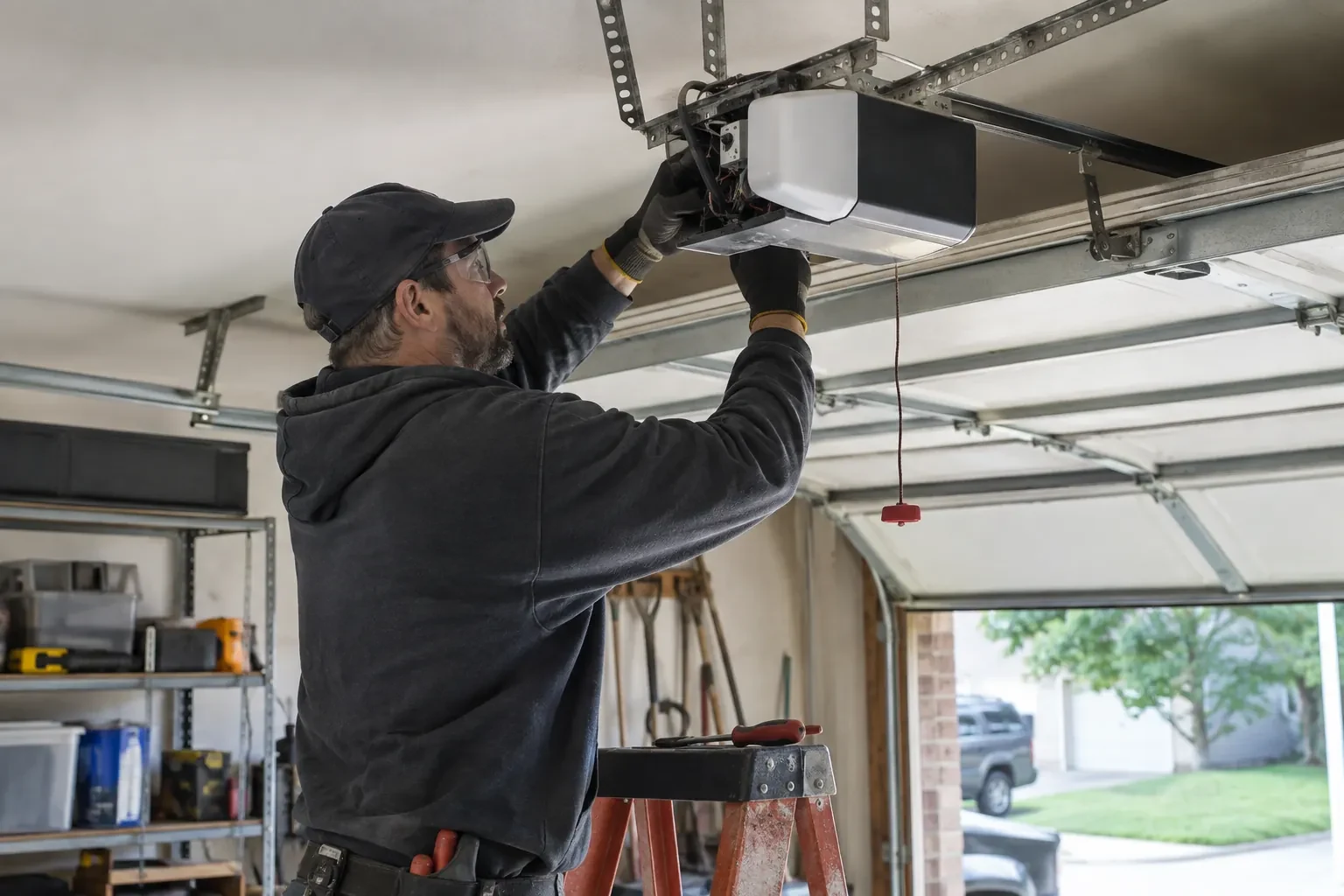
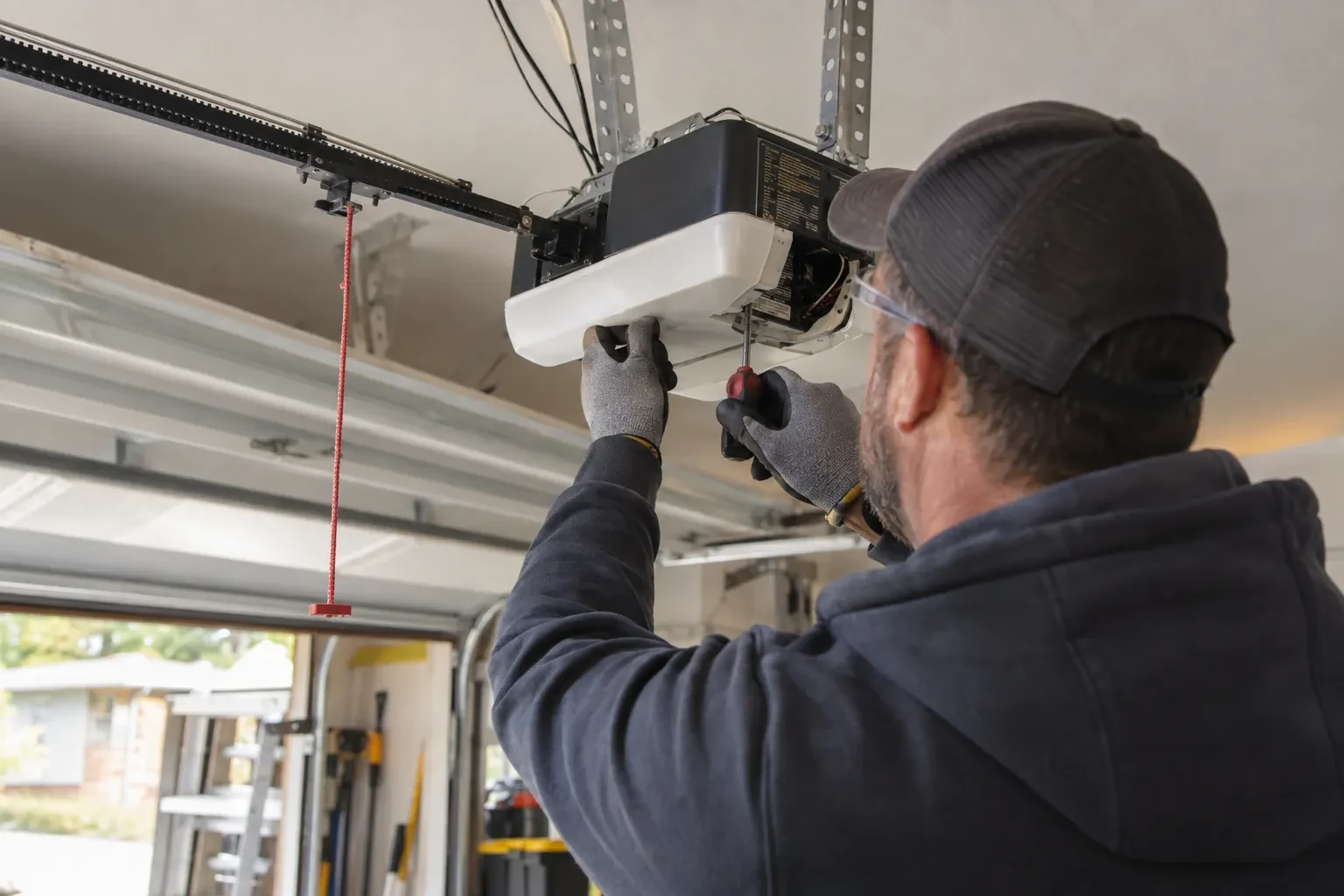
The visit runs in a settled order. On the phone you describe the lock, the door, whether an opener is fitted and whether the lock is currently jammed. On site the opener is disconnected, the door is closed by hand and checked for level. The lock is then examined piece by piece: handle, spindle, centre mechanism, bars, guides, cylinder, fasteners and the track slots. Adjustments are made first, worn parts replaced second, and the lock is cycled from both sides with the door shut. Finally the opener is reconnected, the door runs full cycles, and you are shown how the lock and the opener are meant to be used together.
How the visit goesYou have just moved in. The garage door carries a proper keyed handle on the outside, but no key came with the house, and the inside slide is painted over. You would like to be able to use it.
Garage Door Manual Lock Repair
How the visit goes
Following the bars to the tracks
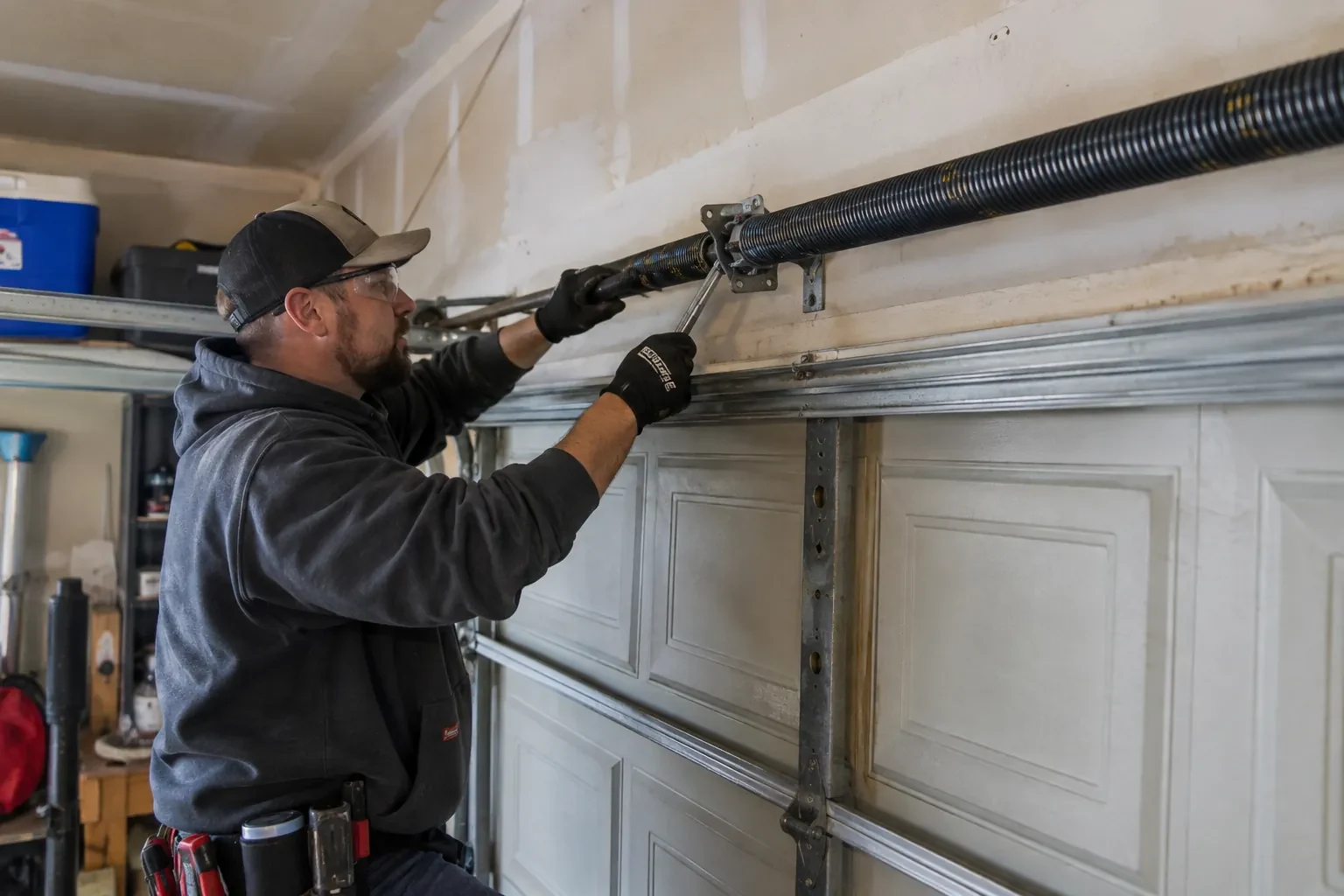
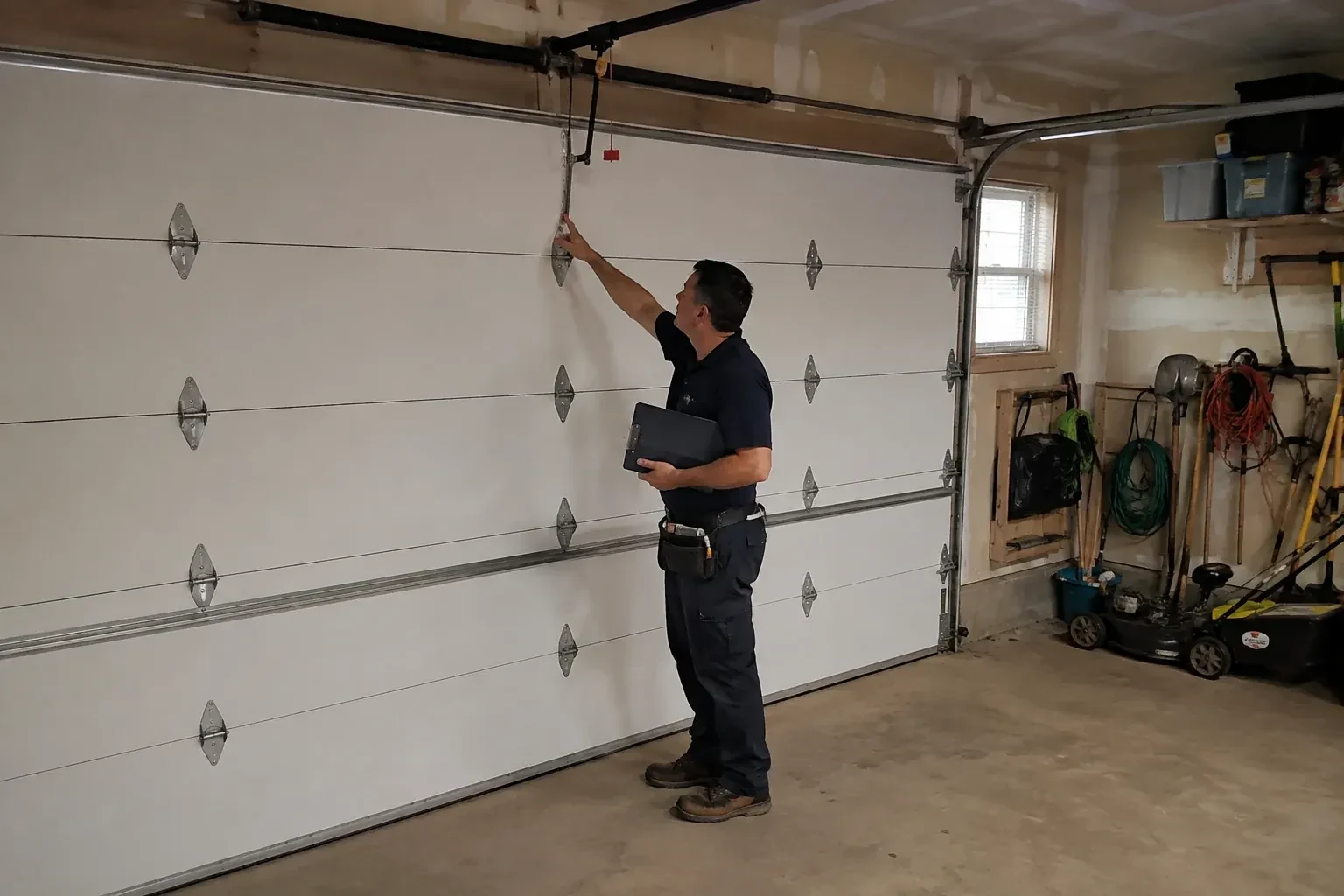
With the door shut, each bar is worked by hand while the technician watches its far end. It should travel smoothly through its guide, pass cleanly through the slot in the track, and come back the same way with no catching. A bar that binds points to rust in the guide or a guide that has been knocked out of line. A bar that reaches the track but not the slot points to alignment. A bar that is bent, kinked or hanging loose usually tells the story of an opener run against the lock. Both sides are checked even when only one is complained about, and the slots themselves are inspected for burrs, distortion and rust.
Freeing and renewing the bars and guides
Bars that have stiffened are worked loose with penetrating oil and then cleaned back to bare metal, while guides packed with rust are removed, cleaned or replaced with new ones fixed into sound material. A bar that has kinked is replaced rather than straightened, since spring steel that has been bent once takes a set and binds forever after; the new bar is cut to suit the door's width so it reaches through the track with a comfortable margin and retracts fully clear. Both bars are set to the same throw so the door locks evenly on both sides. A light film of silicone on the bars, not grease, finishes the job.
A lock with a clean throw and a clear release
The finished lock feels definite. The slide bolt or handle moves with light effort, stops with a click as the bar seats in the track, and comes back just as readily. With the door shut and locked, a push from outside meets solid resistance at both sides rather than a wobble on one. Released, both bars sit back behind the track edge so the door rises with nothing to catch. The outside handle turns without rocking and the key goes in and out without a wiggle. Before leaving, the technician has you operate the lock yourself from inside and out, so the action is familiar and any stiffness is dealt with while the tools are still on the floor.
Garage Door Manual Lock Repair
In the van
Inside turn handle and spindle
Dry graphite or PTFE lubricant
Centre lock body and return spring
Key blanks and rekeying pins
Inside slide bolt or snap latch
Garage Door Manual Lock Repair
What affects the quote
Cylinder work and the number of keys
Rekeying, a new cylinder and each key cut are separate items. Keying the garage to match the house key adds a little pinning time and is listed on its own.
Door thickness and insulation
Insulated and thicker doors take longer spindles, longer through-bolts and sometimes a sleeve through the foam. Matching those parts to the door affects the parts list.
Door alignment behind the fault
When the bar misses its slot because the door sits high or crooked, the fix reaches into track brackets, opener limits or the door's closed position, and that adjustment is quoted alongside the lock work.
What to have ready
- Is it one door or two, and are there other garage doors on the property?
- Do you want to be able to lock the door by hand during a power outage?
- Do you have a key for the lock, and how many keys would you like?
Garage Door Manual Lock Repair: questions
QuestionsI have no key for the outside handle. Can it be made to work?
Yes. The cylinder is removed and either rekeyed to a fresh combination, so any key held by a previous owner is retired, or replaced with a new cylinder carrying the correct tailpiece. New keys are cut and tested in the handle before the technician leaves. If a locked door has to be opened first, the technician confirms your connection to the property as a matter of course.
How long does a manual lock repair usually take?
An adjustment to a slide bolt or a guide is a short job, while a full T-handle replacement with new bars, a rekey and a door alignment fills a longer visit. Most calls sit somewhere between, and the technician gives you a realistic sense of the time once the door has been looked at, rather than guessing from the phone.
What kinds of manual locks are found on garage doors?
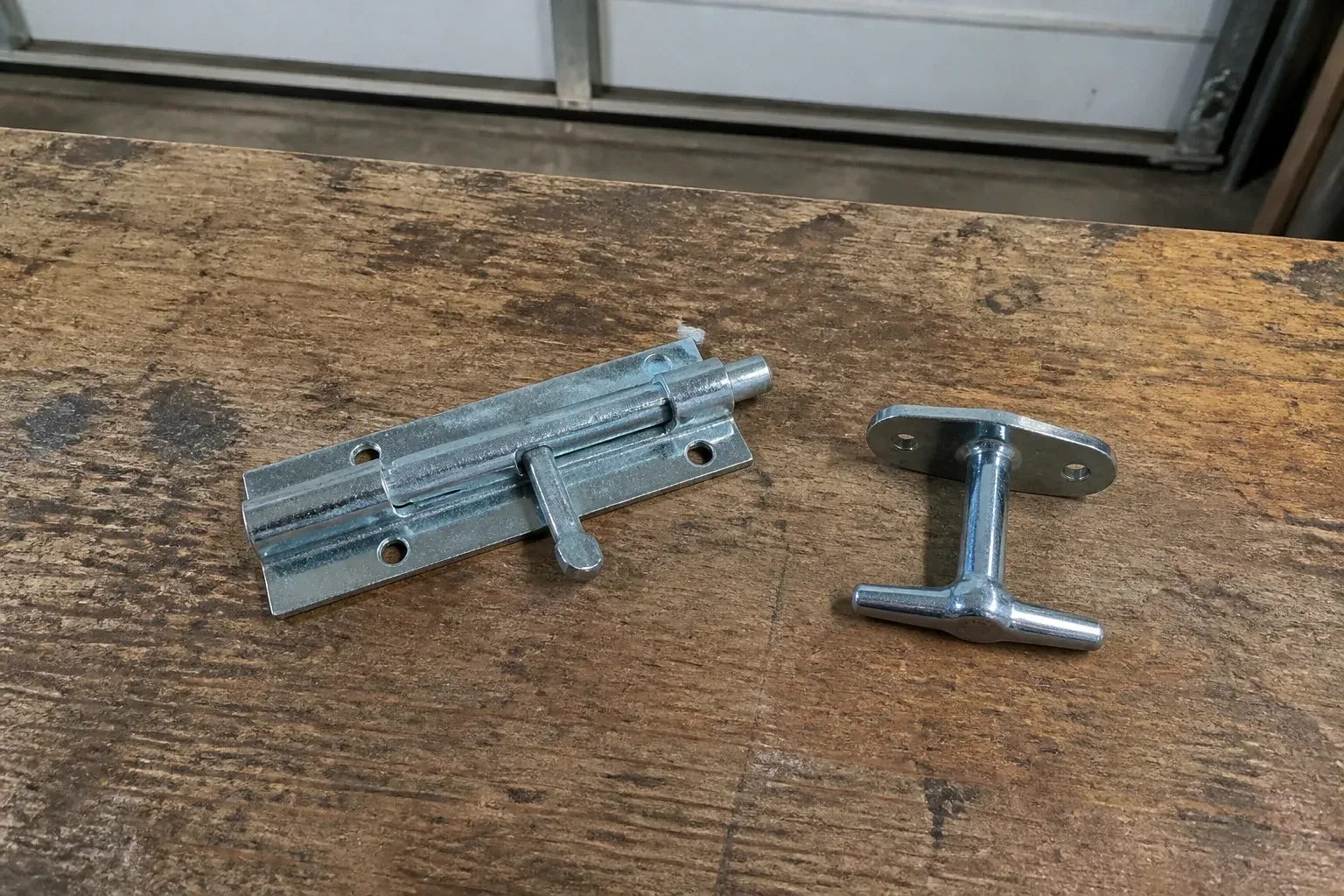
Two are common on sectional doors. An inside slide bolt sits on the door's edge and shoots sideways into a slot in the vertical track; some are spring-loaded snap latches that lock on their own when the door closes. An outside keyed T-handle turns a centre mechanism that throws a bar into each track, though some models pull a cable to release a spring latch instead. Some doors add a keyed cylinder on the side to work the slide bolt from outside.
Related services
- Garage Door Tune-UpSince the first cold snap the door has been sluggish.
- Off-Track Garage Door ResetYou tapped the door with the bumper while backing in, barely a nudge, and now the bottom corner has swung inward.
- Garage Door Panel ReplacementAfter an overnight freeze the door stuck to the slab, the opener strained, and something gave.