Repairs · Forest Hill
Garage Door Safety Inspection in Forest Hill
A tenant mentioned the door is louder than it used to be.
In plain words
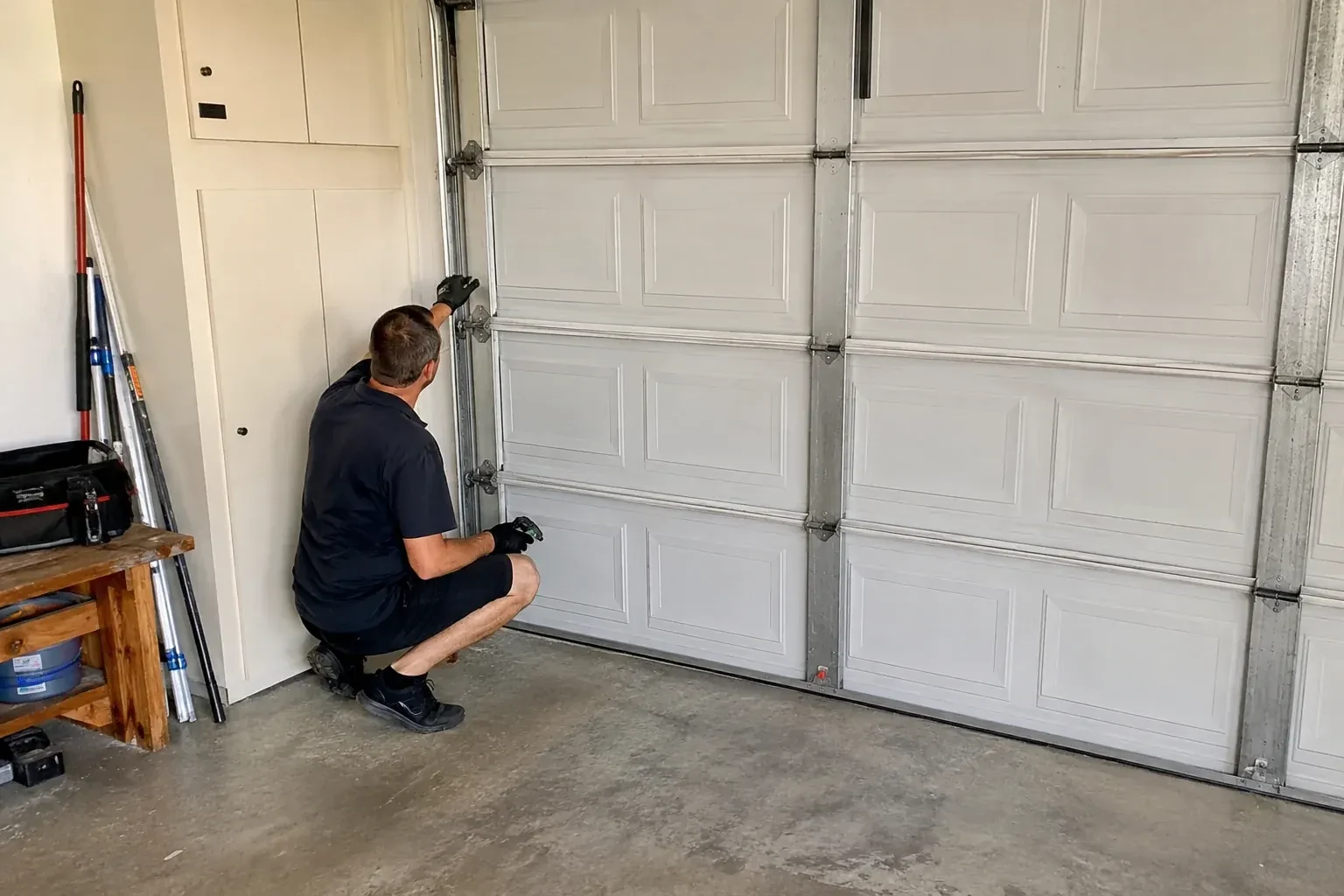
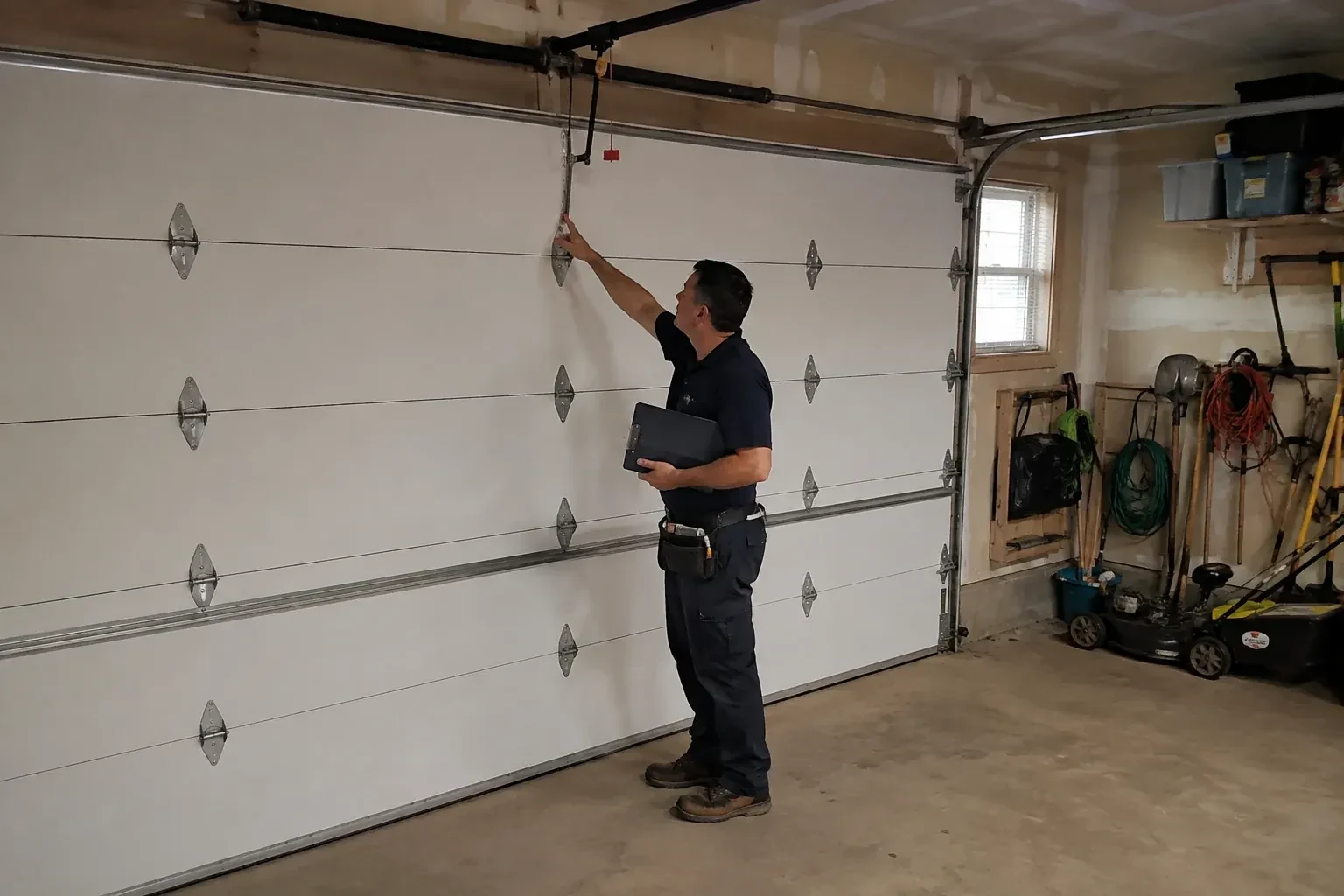
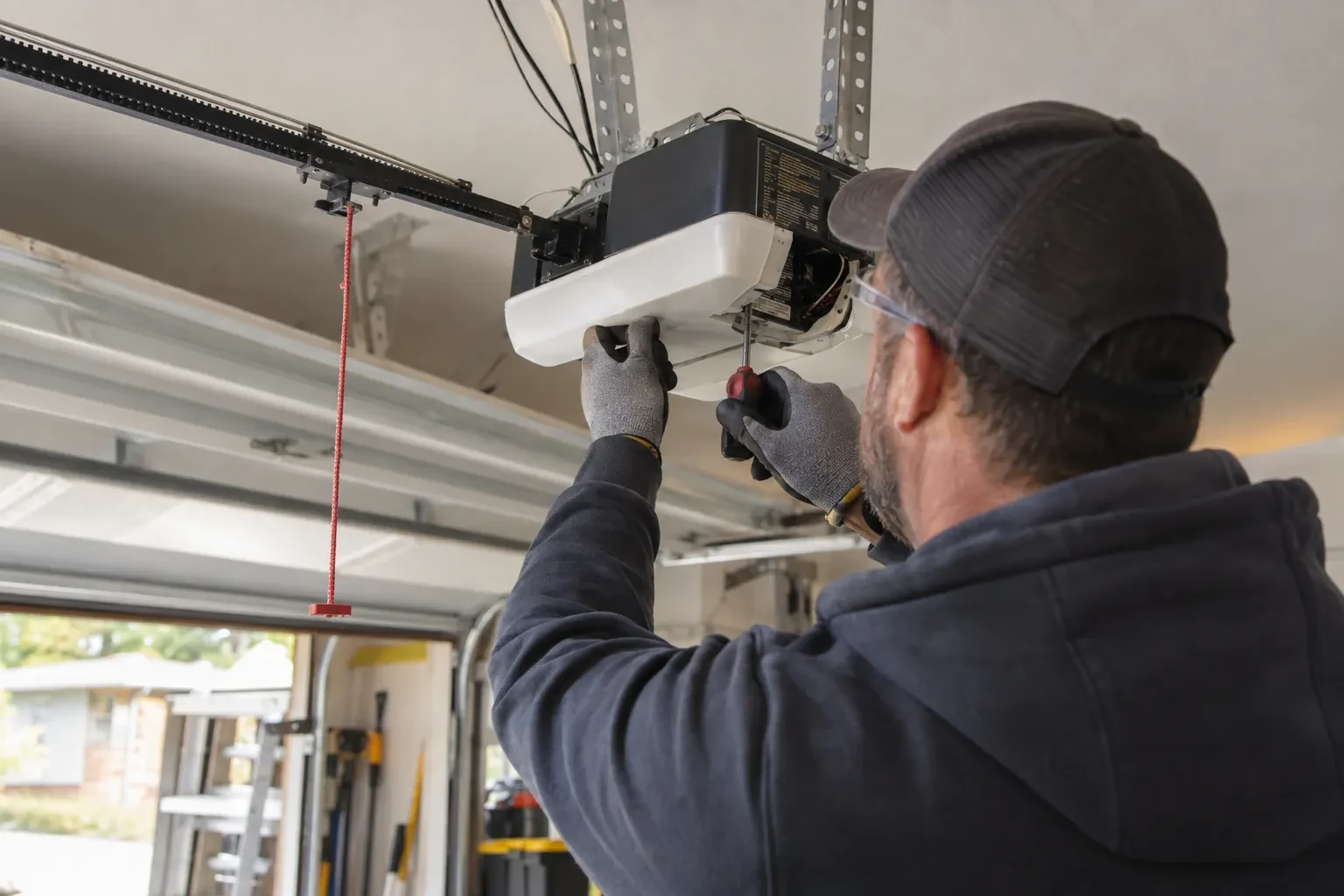
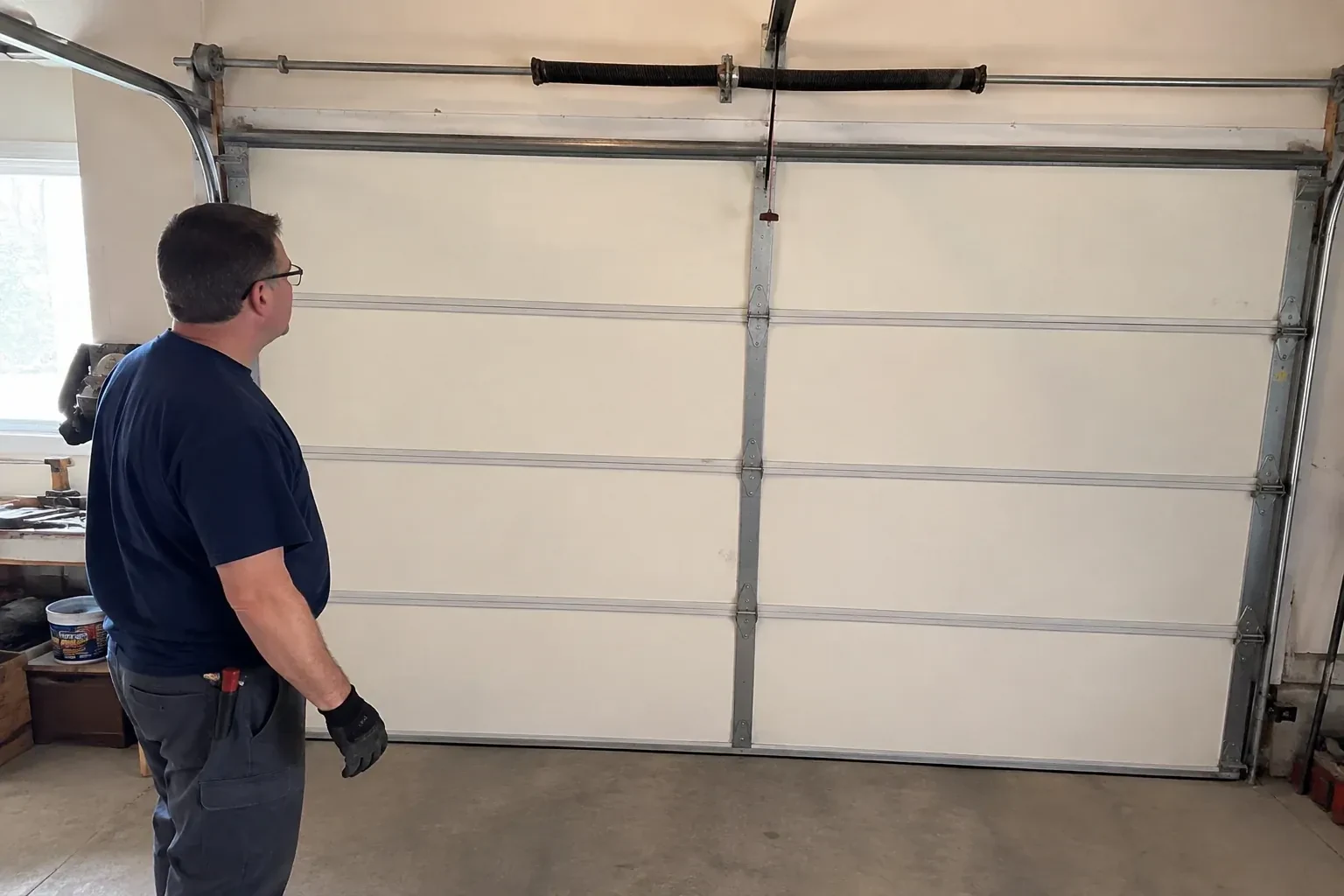
The visit runs in a settled order. First the door and opener are identified and the right test procedure looked up. Then a visual walk of the closed door, from the top section down to the bottom seal, and along both tracks. Next a full cycle under power while the technician listens and watches. Then the opener is disconnected for the manual balance check, reconnected for the reversal and photo-eye tests, and the controls, release cord and mounting brackets are checked. Finally the findings are explained at the door and written up, so you know exactly where the door stands before anyone leaves.
How the visit goesDuring the power outage you pulled the red cord and tried to lift the door by hand. It felt like lifting a piano, and when you let go part-way it sank back toward the floor on its own.
Garage Door Safety Inspection
How the visit goes
The opening itself
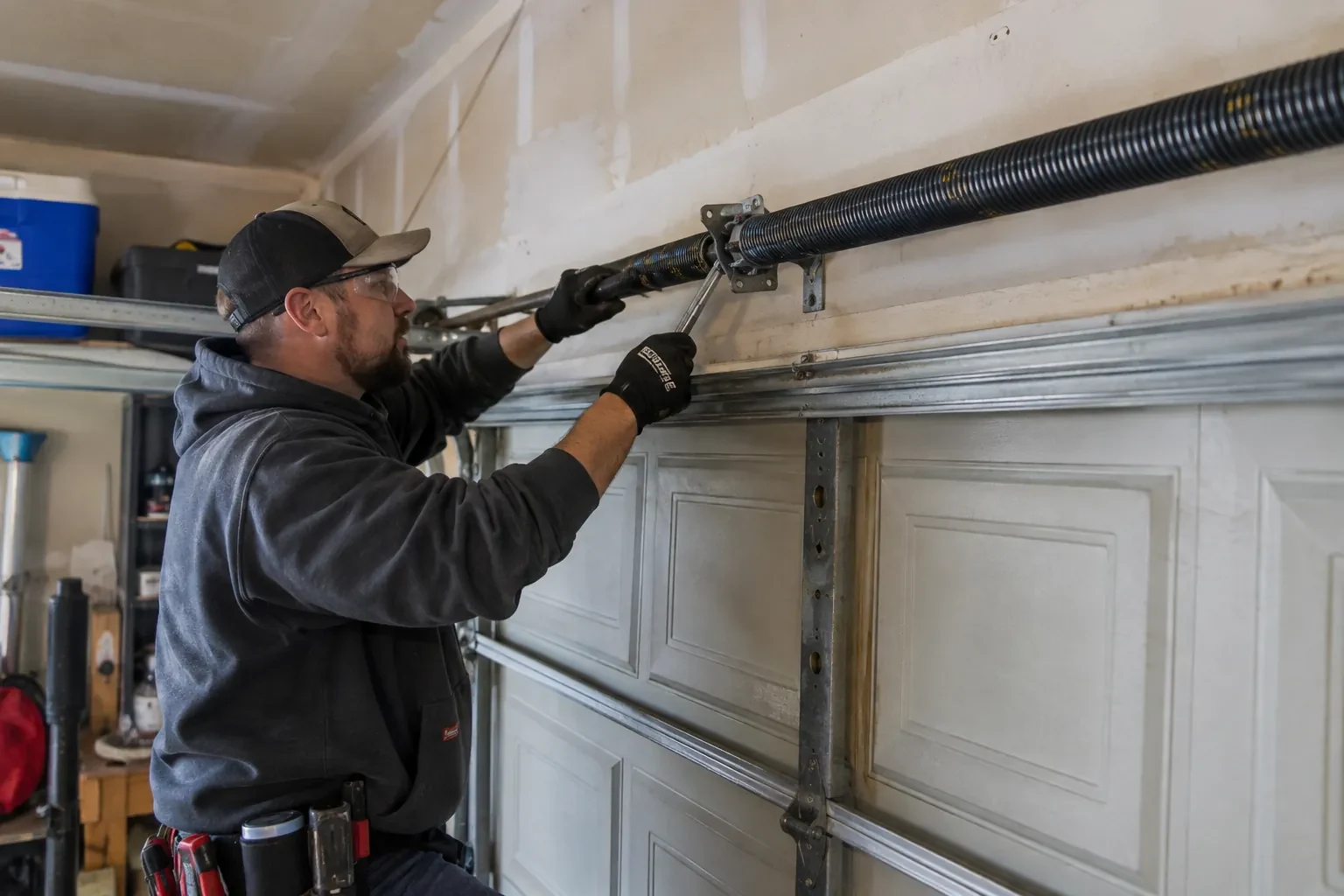
The door is only as good as what it hangs from and closes against. The technician checks the header for sagging where the spring anchor and opener bracket carry their loads, the jambs for soft or split wood where the track brackets bite, and the floor for a lip, heave or ridge that stops the bottom section early. The bottom seal and perimeter weatherstrip are examined for splits, hardening and daylight, since a seal that drags or freezes down puts strain on the counterbalance and the opener. Where a fastener has pulled loose from the framing, that is noted as a repair item rather than tightened into wood that will not hold it.
Testing contact reversal with a board
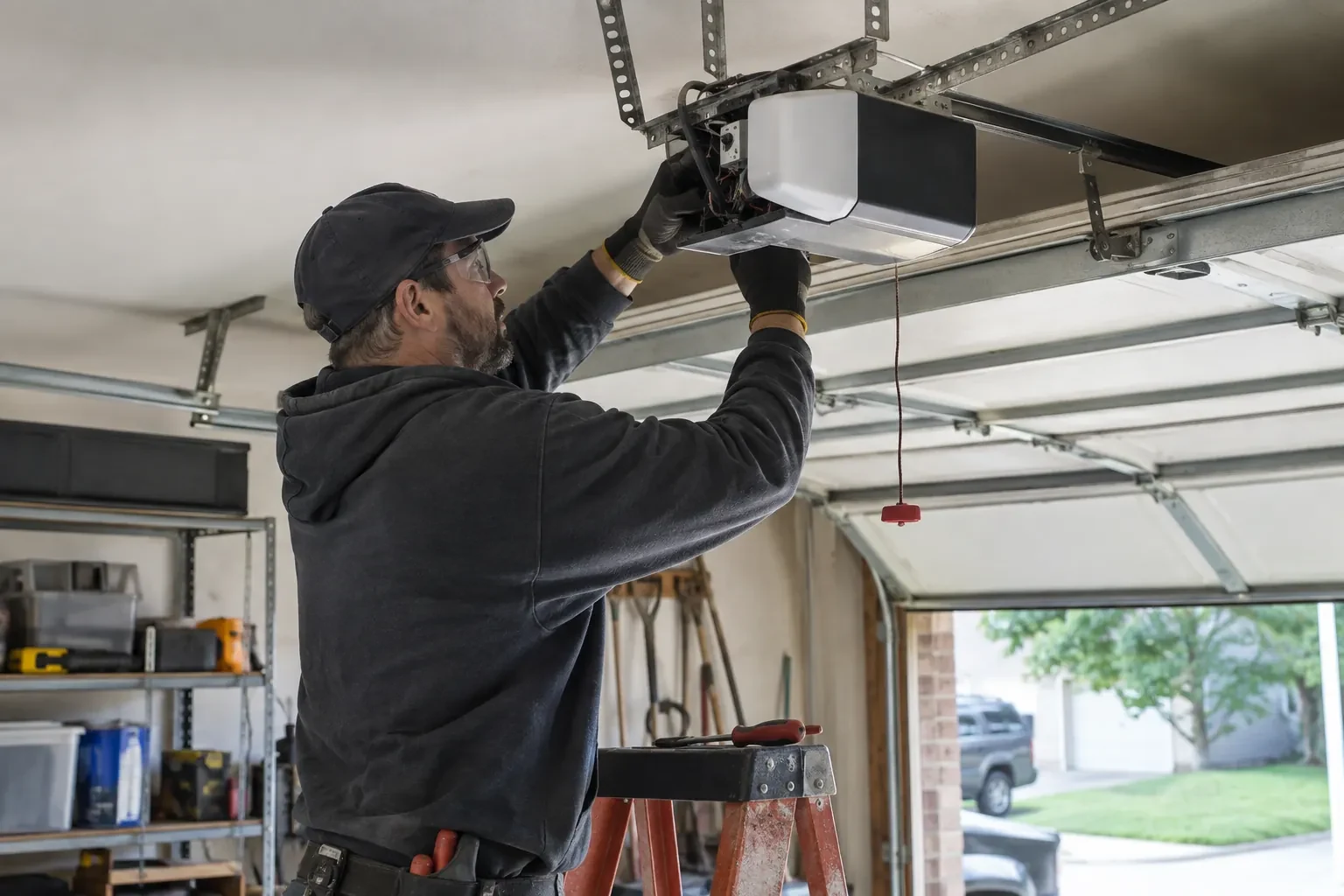
The opener is reconnected and a flat 2x4 offcut is laid on the floor across the centre of the opening. The door is sent down from the wall control. On meeting the board it should stop and reverse to fully open on its own. If it stalls on the board, pushes against it, or only reverses after a long pause, the opener's down-force or travel limit needs attention and the finding goes in the report. Older openers without photo eyes are tested this way too, and their behaviour is recorded against the test the maker specifies. The board is used every time; a hand or foot never stands in for it.
Signs that call for a visit before the next scheduled one
A few things are worth a call the day you notice them: a door that hangs crooked or stops part-way; a cable that looks slack, frayed or wrapped where it should not be; a gap in a torsion spring coil; a door that suddenly feels heavy on the manual release; an opener that reverses for no reason after the photo eyes are wiped; or a deep dent, one from an impact, or one dragging in the track. In each case, leave the door as it is, keep people and vehicles clear, and use another door until it has been looked at. A small cosmetic dent that leaves the door running smoothly can wait for the planned appointment.
Garage Door Safety Inspection
In the van
Tape measure and level
Lens cloth and cleaner
Weatherstrip samples for matching
Replacement hinge and track fasteners
Spring and cable gauges
Garage Door Safety Inspection
What affects the quote
Small parts replaced on the spot
A missing hinge bolt, a stripped track lag or a remote battery can be replaced from the van. Parts fitted this way are listed individually rather than folded into the inspection.
Single or double door
A double door is wider and heavier and commonly adds centre hinges and reinforcement a single door does not carry, with a heavier counterbalance to test, so it takes longer to walk and to write up; section count itself follows the door's height rather than its width.
Opener type and age
A current opener with photo eyes, a keypad and several remotes has more devices to test than an older unit with contact reversal alone, and the test procedures differ by model.
What to have ready
- Has a vehicle or anything else struck the door or the tracks?
- When was the door last serviced, and do you have the paperwork?
- How many remotes, keypads and wall buttons operate the door?
Garage Door Safety Inspection: questions
QuestionsWhat gets lubricated, and what is left dry?
The moving metal-on-metal points get a light coat: the spring coils, the hinge knuckles, the roller bearings and the pins at the bottom brackets. A silicone or lithium product made for doors is used, then the door cycles a few times to carry it in. The tracks are the exception; they are cleaned and left bare, since a slick track lets the wheels skid and holds grit against them.
How should I prepare for the appointment?
Move the car out if you can and clear a metre or so in front of the door and along both tracks so the technician can reach the hinges and brackets. Find the door and opener manuals and any earlier repair paperwork. Have every remote and the keypad code to hand. If something has changed lately, be ready to say when and what you noticed first. If the door looks wrong, leave it where it is.
What exactly gets looked at during the inspection?
The whole system, not just the opener. Sections, hinges, rollers, tracks and their fasteners; springs, cables, drums and bottom brackets; the bottom seal and perimeter weatherstrip; the opener head, rail, arm and mounting; the photo eyes, contact reversal, wall control, remotes, keypad and manual release; and the warning labels. Each is examined, and the door is tested both by hand and under power.
Related services
- Off-Track Garage Door ResetYou tapped the door with the bumper while backing in, barely a nudge, and now the bottom corner has swung inward.
- Garage Door Panel ReplacementAfter an overnight freeze the door stuck to the slab, the opener strained, and something gave.
- Garage Door Bottom Seal ReplacementAfter a spring rain there is a puddle inside the door that reaches the tires.