Repairs · Toronto
Garage Door Safety Inspection in Toronto
A tenant mentioned the door is louder than it used to be.
In plain words
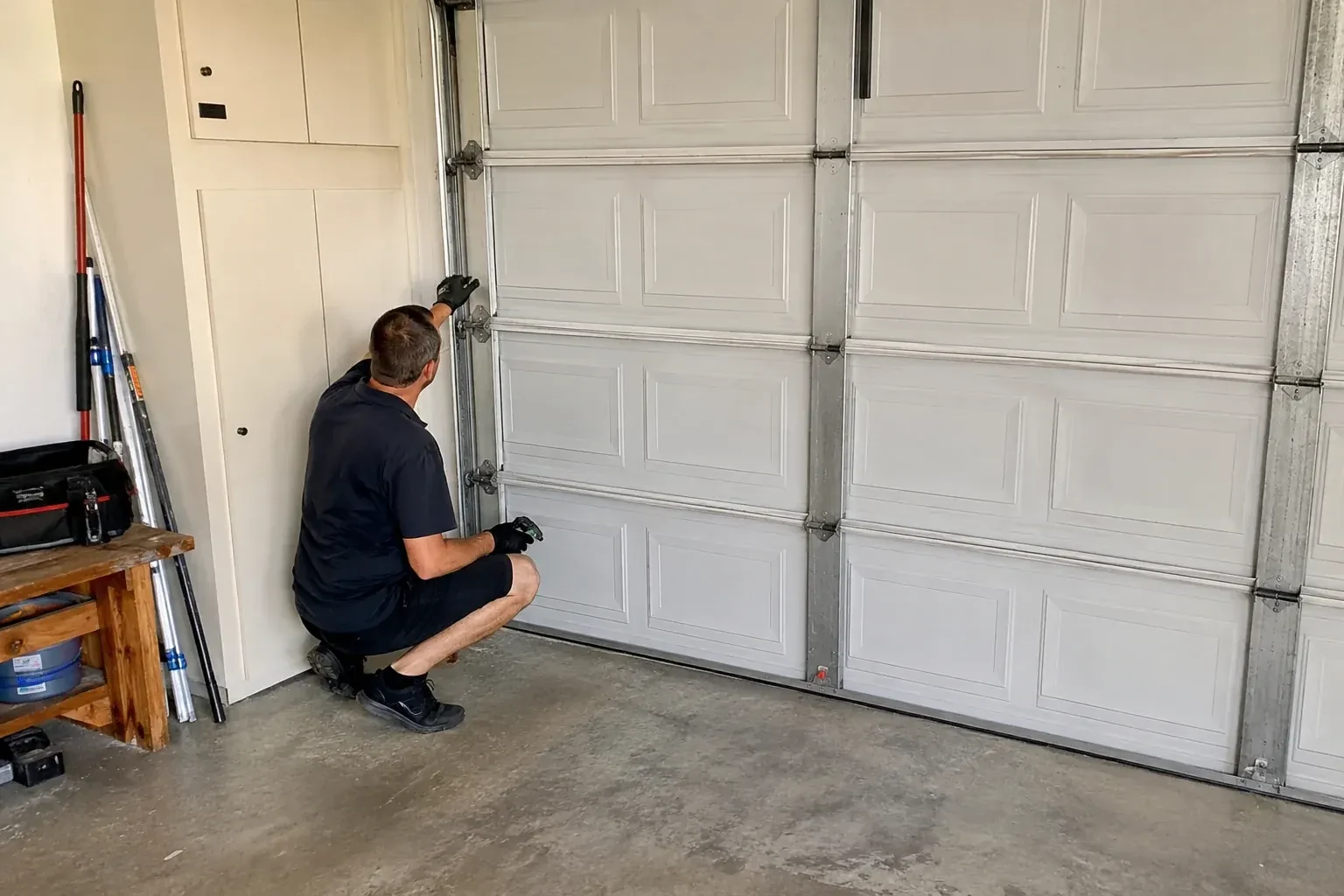
After a vehicle or an object has hit the door, an inspection follows the force rather than the dent. A bump on the bottom section can nudge a track out of plumb, shift a roller, bend a bracket, or leave one cable seated differently on its drum, and each changes how the door hangs and how the springs share its weight. The technician traces the load path from the point of impact through the hinges, rollers, tracks, cables and counterbalance to the opener attachment, and reports whether the mark is cosmetic, whether a section or piece of hardware needs work, or whether the door has moved out of balance.
How the visit goesOn bright afternoons the door goes down a metre, stops, and climbs back up while the light on the opener blinks. After dark it closes perfectly. Nothing has changed except the weather.
Garage Door Safety Inspection
How the visit goes
The opening itself
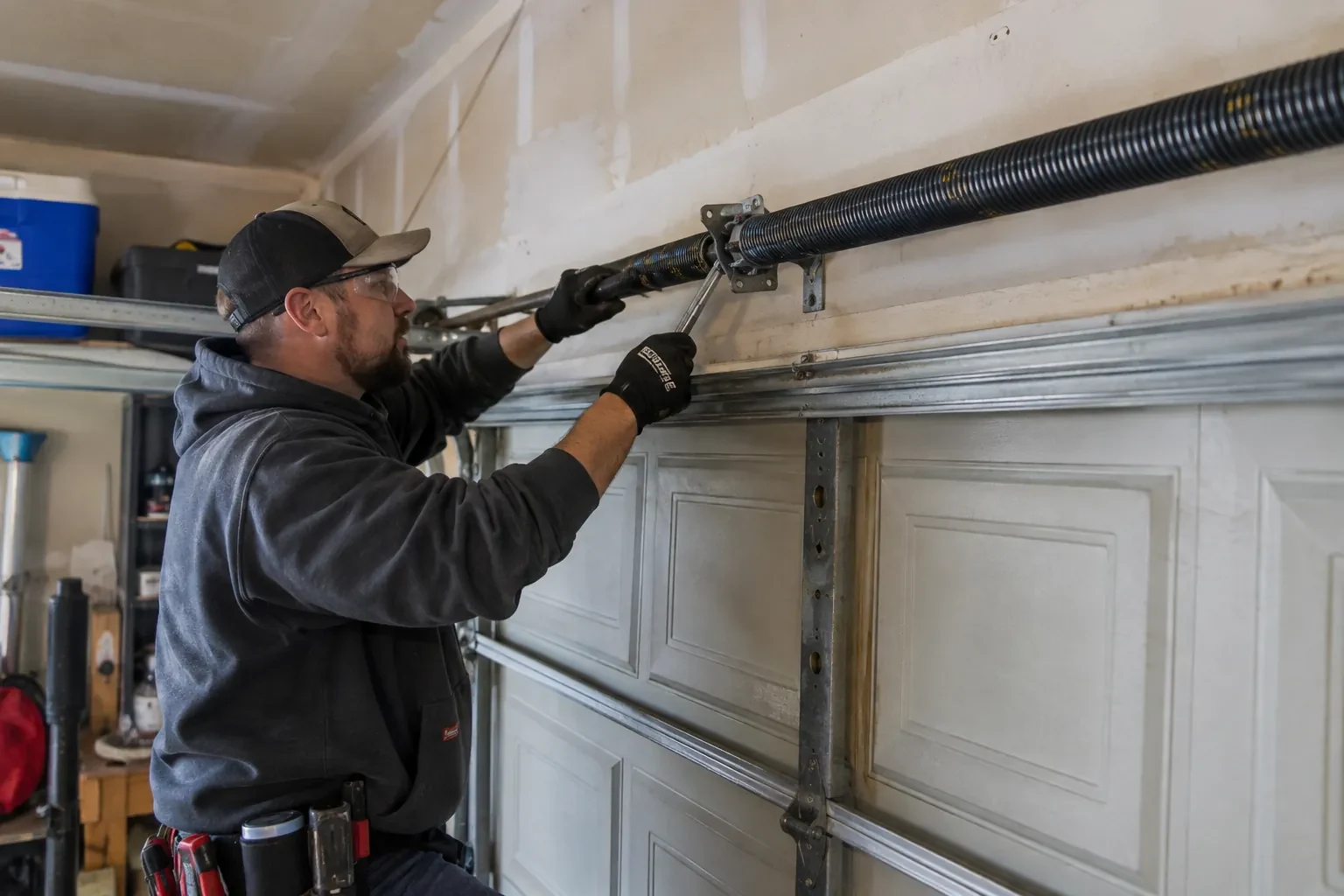
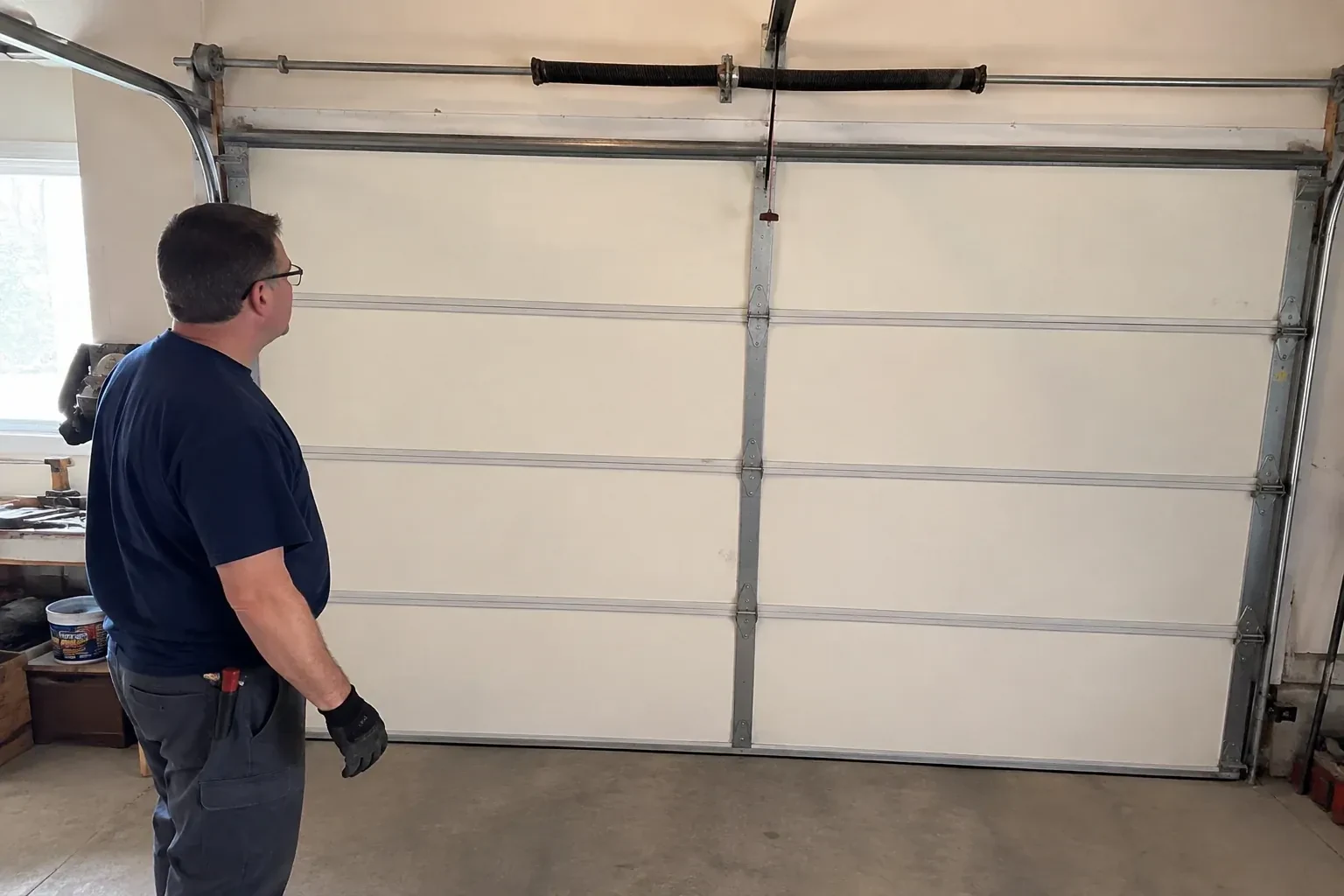
The door is only as good as what it hangs from and closes against. The technician checks the header for sagging where the spring anchor and opener bracket carry their loads, the jambs for soft or split wood where the track brackets bite, and the floor for a lip, heave or ridge that stops the bottom section early. The bottom seal and perimeter weatherstrip are examined for splits, hardening and daylight, since a seal that drags or freezes down puts strain on the counterbalance and the opener. Where a fastener has pulled loose from the framing, that is noted as a repair item rather than tightened into wood that will not hold it.
Controls, release and lock
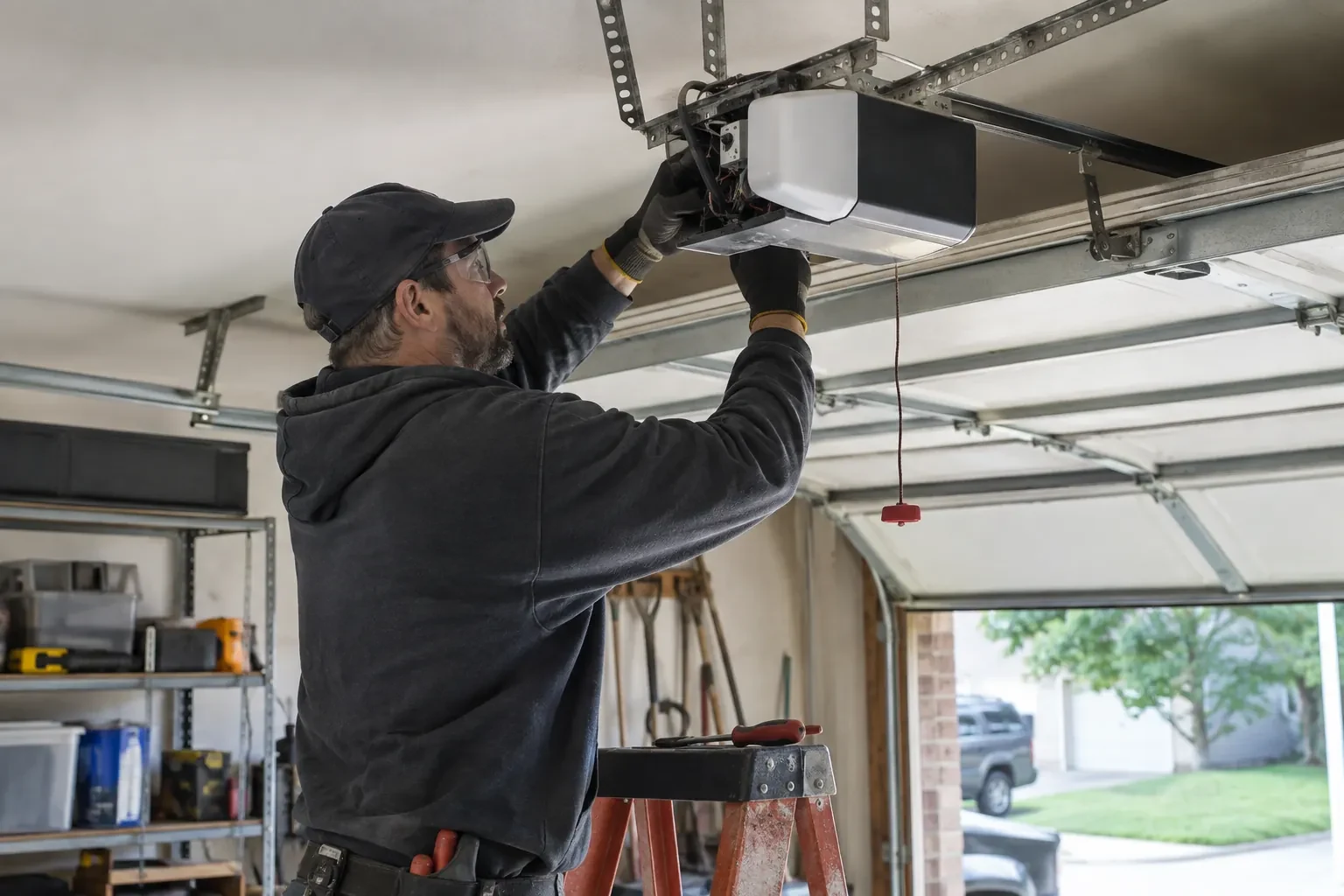
Each way of operating the door is tried in turn: the wall control, every remote the household uses, the keypad if there is one, and the lock or vacation button that disables the remotes. The technician checks that the wall control is mounted out of a small child's reach and within sight of the door, that batteries are fresh, and that the manual release cord hangs within reach with its handle intact and releases and re-engages the trolley cleanly. Any manual slide lock on the door is checked to make sure it is disengaged, since a door locked by hand while the opener is connected is a common cause of a bent rail.
Carrying the door through winter
The technician leaves you with the handful of habits that matter in a cold climate. Keep the threshold clear of packed snow so the door closes on the floor and not on a ridge of ice. On a mild day, wipe the salt off the bottom brackets, the lowest hinges and the bottom stretch of each cable, then give them a light mist of lubricant. Wipe the photo-eye lenses when the grime of a slushy week builds up. If the bottom seal freezes to the slab, free it by hand before running the opener rather than asking the motor to tear it loose. These take minutes across a season and spare the cables, the seal and the opener.
Garage Door Safety Inspection
In the van
Tape measure and level
Lens cloth and cleaner
Weatherstrip samples for matching
Replacement hinge and track fasteners
Spring and cable gauges
Garage Door Safety Inspection
What affects the quote
Access to overhead track or a locked mechanical room
Some tracks run behind storage or into a locked mechanical room, and reaching every bracket and fixture takes longer when a ladder or a key has to be found first. Clearing a path to the track ahead of the visit lets the inspection move through the whole door without interruption.
Findings that change the scope on the day
If a stop-use item turns up, securing the door and explaining the correction takes extra time on the visit. That, and any work you approve, is quoted separately before it starts.
A retest after repairs
When the report lists repairs, a short return visit to rerun the balance, reversal and photo-eye tests once the work is done is quoted as its own item.
What to have ready
- Is anything stored near the tracks, under the spring shaft or in front of the door?
- Does the door sound or move differently going up than coming down?
- When was the door last serviced, and do you have the paperwork?
Garage Door Safety Inspection: questions
QuestionsWhat gets lubricated, and what is left dry?
The moving metal-on-metal points get a light coat: the spring coils, the hinge knuckles, the roller bearings and the pins at the bottom brackets. A silicone or lithium product made for doors is used, then the door cycles a few times to carry it in. The tracks are the exception; they are cleaned and left bare, since a slick track lets the wheels skid and holds grit against them.
How should I prepare for the appointment?
Move the car out if you can and clear a metre or so in front of the door and along both tracks so the technician can reach the hinges and brackets. Find the door and opener manuals and any earlier repair paperwork. Have every remote and the keypad code to hand. If something has changed lately, be ready to say when and what you noticed first. If the door looks wrong, leave it where it is.
What exactly gets looked at during the inspection?
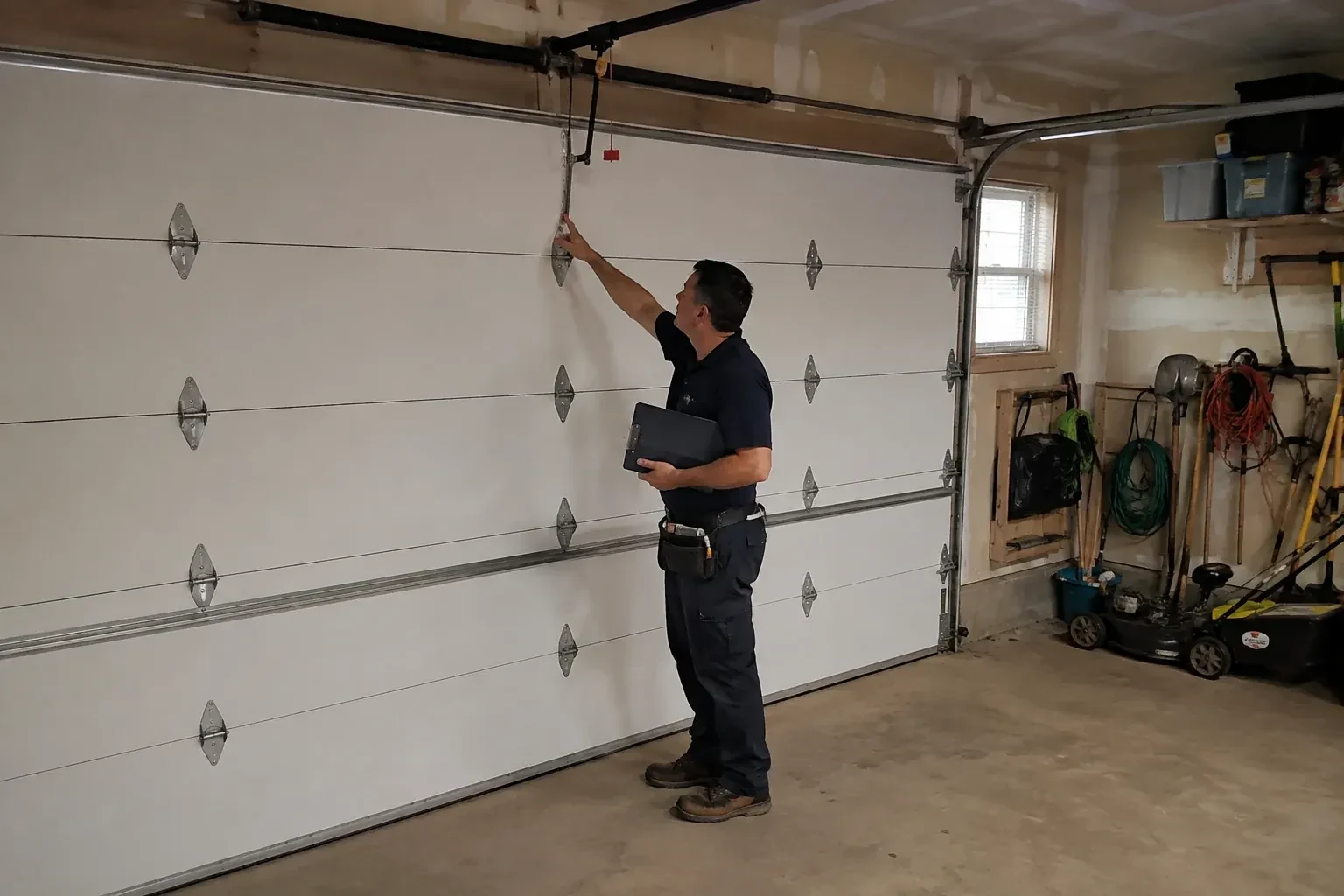
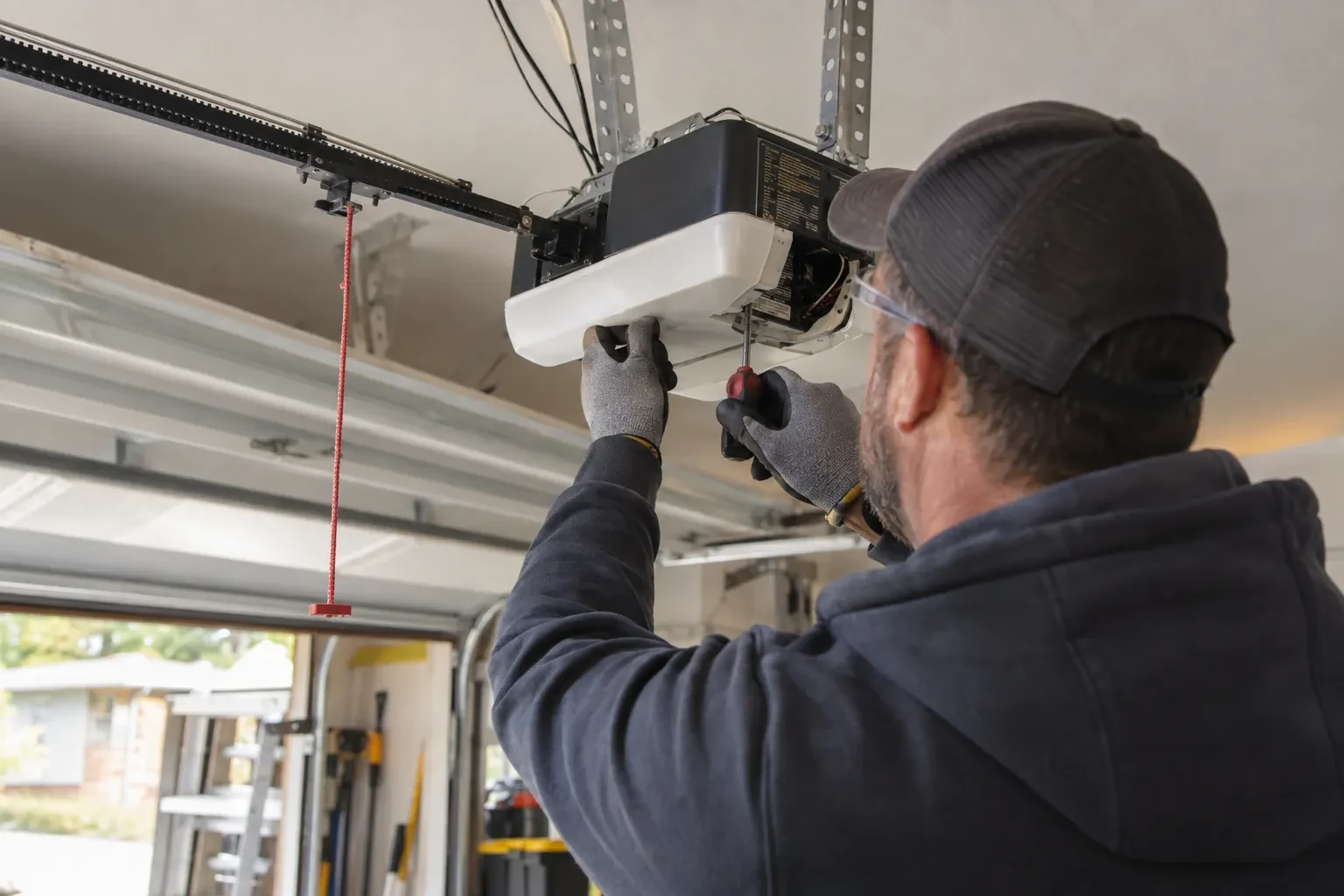
The whole system, not just the opener. Sections, hinges, rollers, tracks and their fasteners; springs, cables, drums and bottom brackets; the bottom seal and perimeter weatherstrip; the opener head, rail, arm and mounting; the photo eyes, contact reversal, wall control, remotes, keypad and manual release; and the warning labels. Each is examined, and the door is tested both by hand and under power.
Related services
- Off-Track Garage Door ResetYou tapped the door with the bumper while backing in, barely a nudge, and now the bottom corner has swung inward.
- Garage Door Panel ReplacementAfter an overnight freeze the door stuck to the slab, the opener strained, and something gave.
- Garage Door Bottom Seal ReplacementAfter a spring rain there is a puddle inside the door that reaches the tires.