Openers · Deer Park
Emergency Release Repair in Deer Park
It is the coldest morning of the year.
In plain words
There are two releases on many garages, and this service covers both. Inside, the red handle drops from the trolley and anyone standing in the garage can pull it. Outside, some doors carry a small keyed cylinder, near the top on a sectional door or at mid-height on others; turning the key pulls a cable that throws the same lever from the driveway, which matters when the garage has no other door and the opener is quiet. Repair inside usually means a new cord, handle, lever or trolley. Repair outside means a new cylinder, cable or keys, routed clear of the section joints so the key turn reaches the lever.
How the visit goesHalfway up, the door lets go of the opener with a clunk and sinks back to the floor while the trolley carries on to the top alone. It has happened three times this month, and each time the release lever is found half-cocked.
Emergency Release Repair
How the visit goes
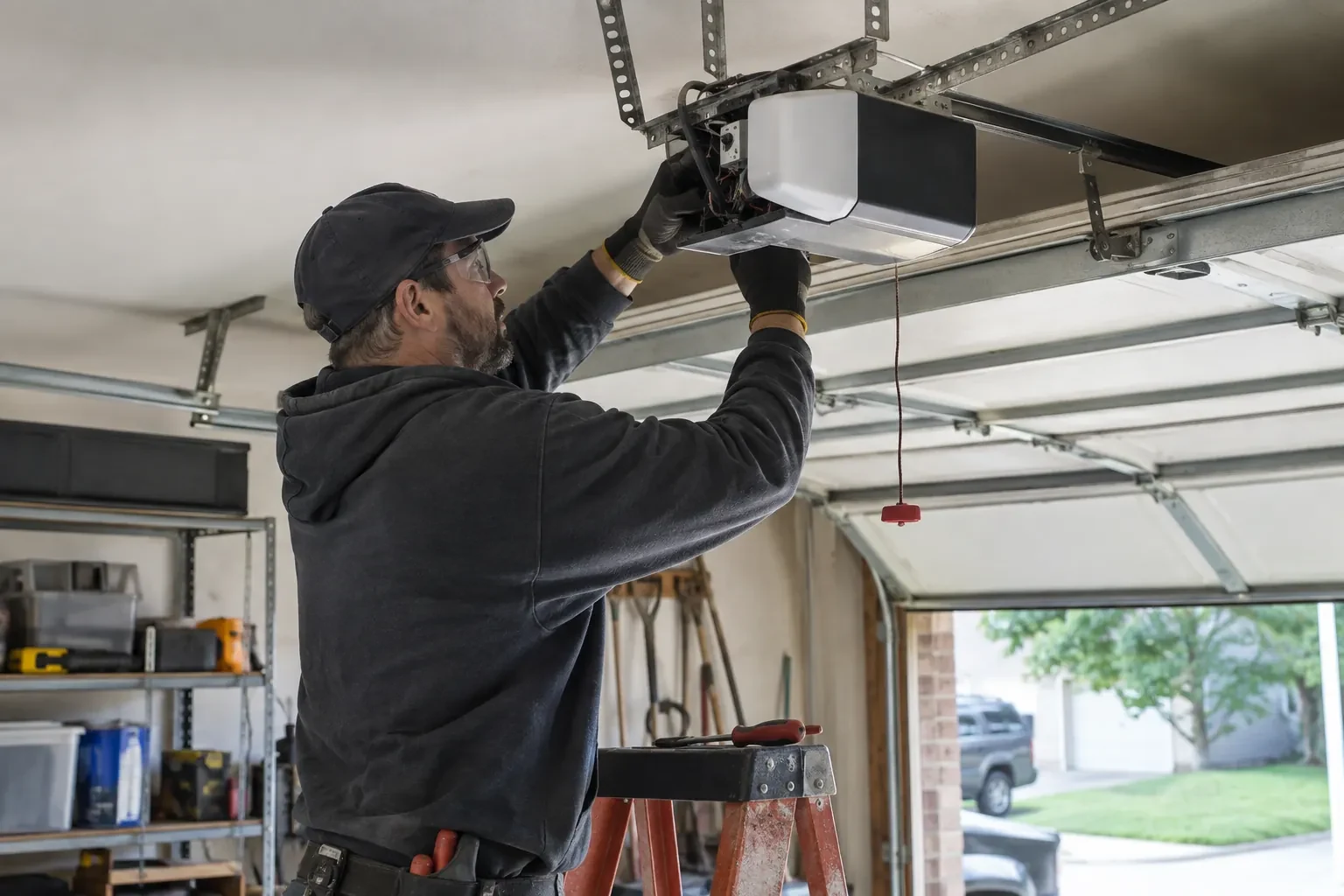
Who needs to use it, and how they get in
Finally the technician asks about the household and the building. Is there a side door or a door into the house, or is the overhead door the only way in? Who is likely to be pulling the handle in an outage: a tall adult, a teenager, an older relative? Does the family use the release often, or has it never been touched? Has a car roof been catching the cord? These answers shape the cord length, whether an outside key release is worth fitting, and how much of the visit goes to demonstration. The point is a release that works for the people who actually live there.
Lever and spring on the trolley
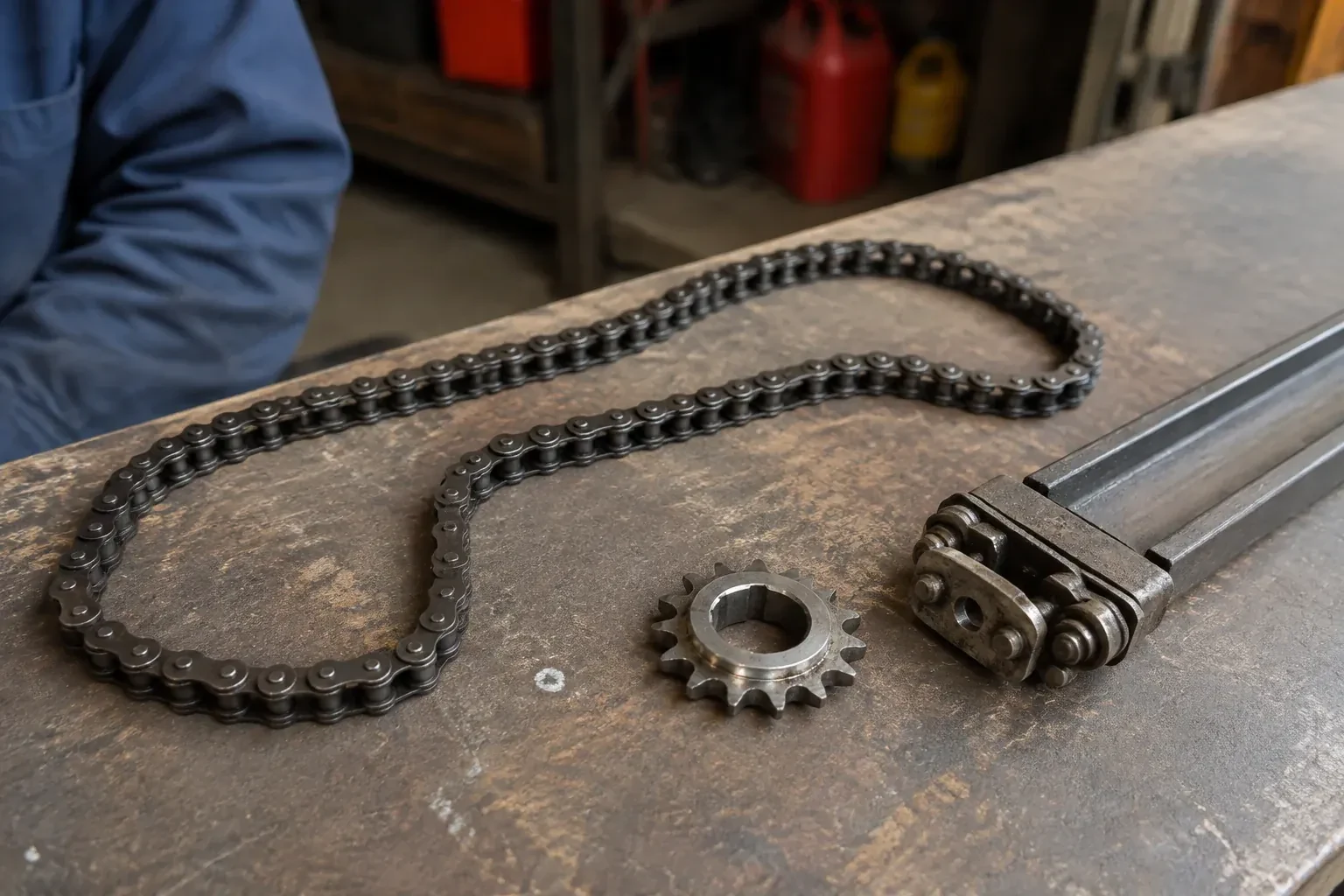
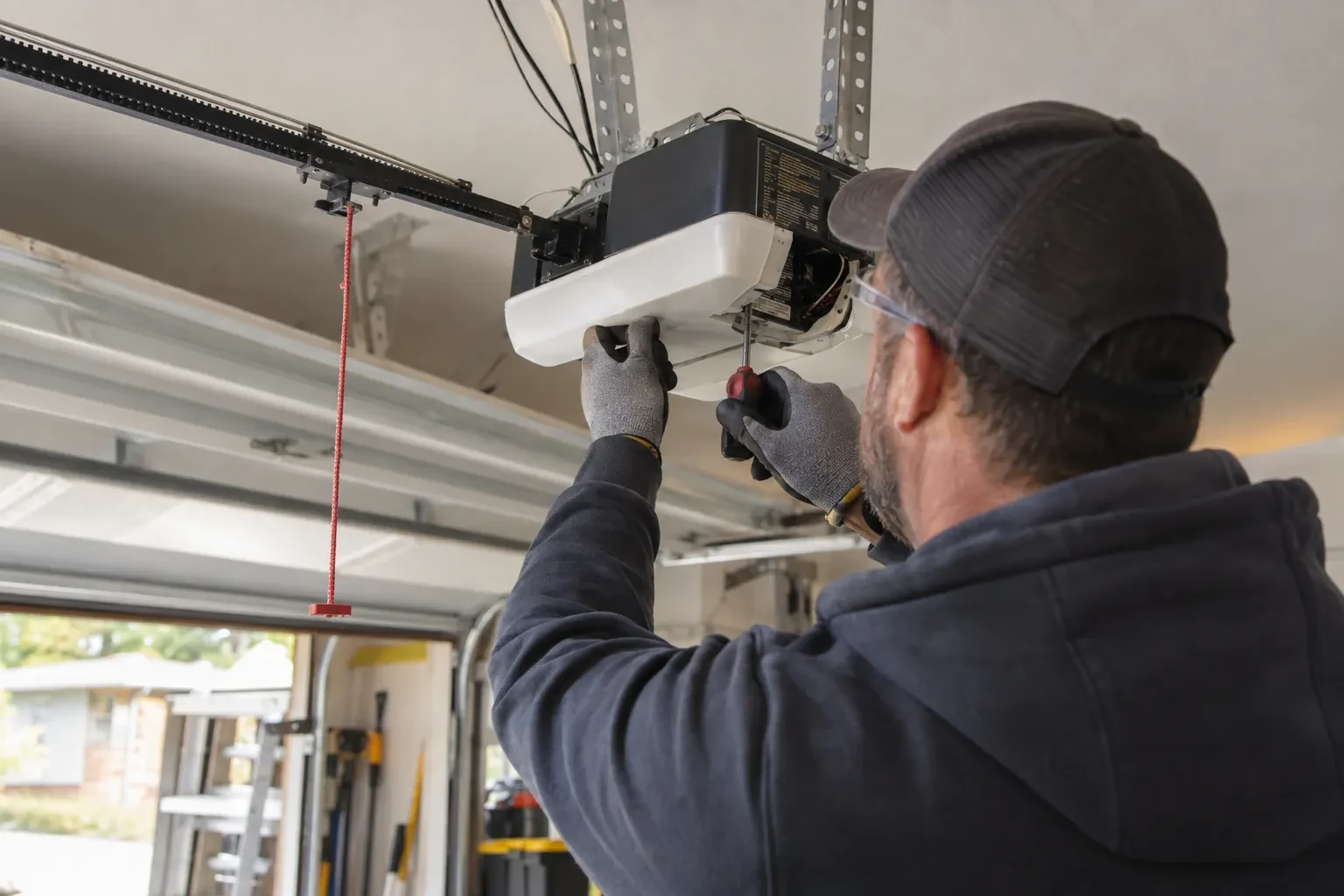
When the lever throws but will not return, or returns without latching, the fault is in the lever, its pivot pin or its spring. The technician removes the trolley cover, replaces the spring or the lever assembly with the part for that model, and checks that the lever swings cleanly from horizontal to vertical and back with a firm click. A bent lever is replaced rather than straightened, since the metal has already been stressed once. With the door closed the release is pulled and reset several times to confirm the trolley lets go and re-engages each time before the opener is run.
Battery backup and outage-prone streets
If your street loses power a few times each winter, the technician may raise battery backup. Modern openers can carry a battery that opens and closes the door on stored power, which spares you the release altogether in most outages. The battery is a wearing part, generally replaced every few years, and the head unit signals when it is tired. The release remains the fallback when the battery is flat or the opener itself has failed, which is why both are kept in working order. You leave knowing which of the two your household relies on and how each one is checked.
Emergency Release Repair
In the van
Outside key release kit (lock, cable, keys)
Dry lock lubricant and de-icer
Track clamps to hold the door
Chain or belt tension hardware
Release lever and spring
Emergency Release Repair
What affects the quote
Age and parts availability
Trolleys, levers and rope kits for openers from the last two decades are stocked. An older model may need a part sourced, and the quote says whether that is a wait or a reason to consider replacement.
Opener type and rail
A chain or belt unit on a one-piece rail, a sectional square rail, a screw drive and a wall-mounted opener each use a different release part, and the part sets the shape of the job.
Freeing versus replacing the trolley
A trolley jammed on the stop bolt is freed, adjusted and reused when its latch is sound. One with worn teeth or a cracked body is replaced, which changes both parts and labour.
What to have ready
- Does the garage have a side door or a door into the house?
- Has the door or the opener been replaced since the release was last used?
- How does the door feel when you lift it by hand: light, heavy, or does it drift?
Emergency Release Repair: questions
QuestionsMy door lets go of the opener partway through travel. Why?
A release lever that is only half-latched will hold until the door's weight shifts, then drop out. That points to a weak or missing lever spring, a bent lever, or worn latch teeth on the trolley. It can also follow a hard pull on the cord that left the lever cocked. The fix is a new spring or lever, or a new trolley, and a check that the door is balanced so the trolley is not carrying more than it should.
How long does an emergency release repair take?
A cord and handle, a lever spring or a trolley freed from the stop bolt is a modest part of an hour, including the balance test and reversal tests. Replacing a trolley or fitting an outside key release takes longer, since the drive is slackened and re-tensioned or a hole is cut in the door. If the balance test finds the springs need work first, that is a separate piece of the visit, and you are told before it starts.
I pulled the release and the door was very heavy. Is the release broken?
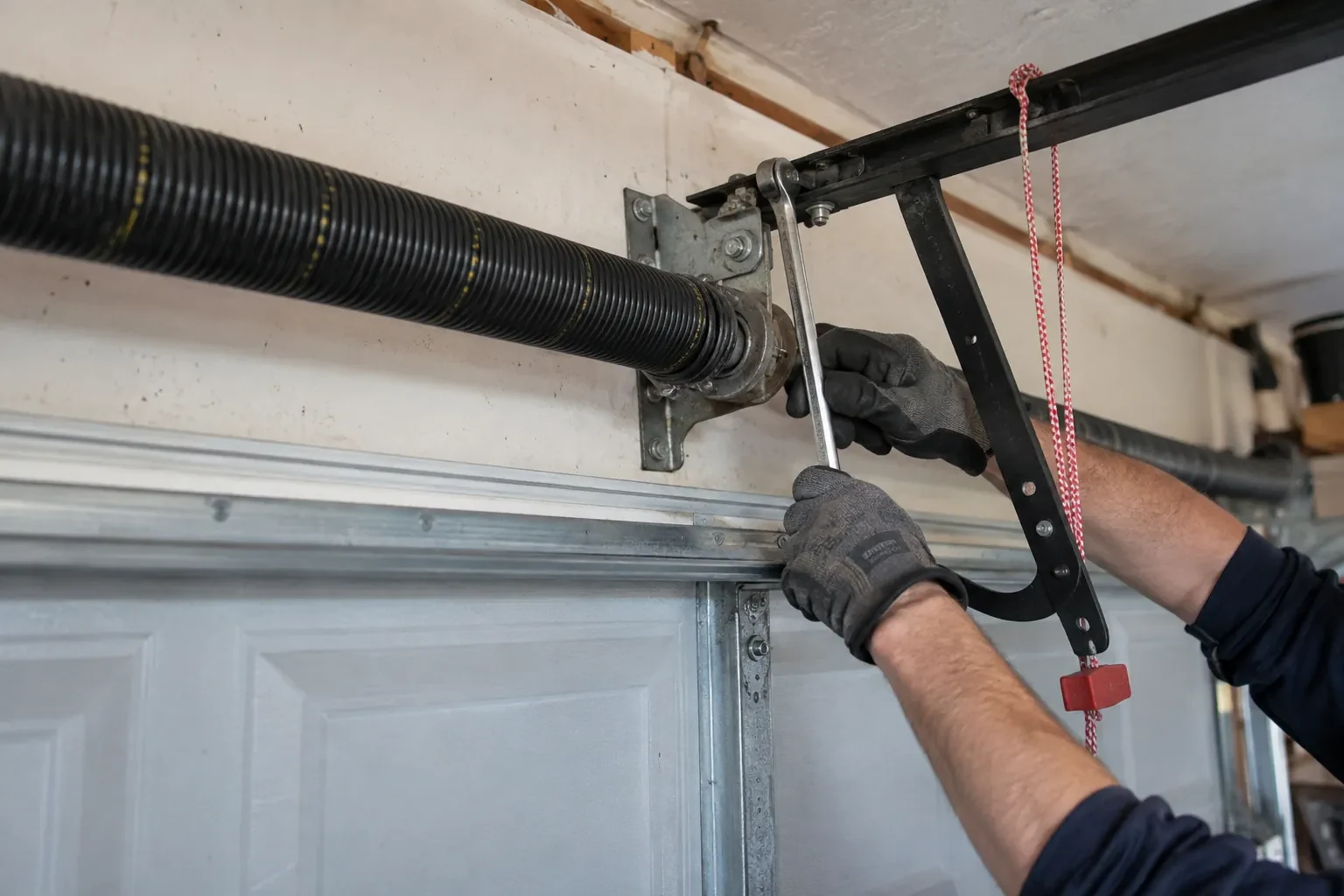
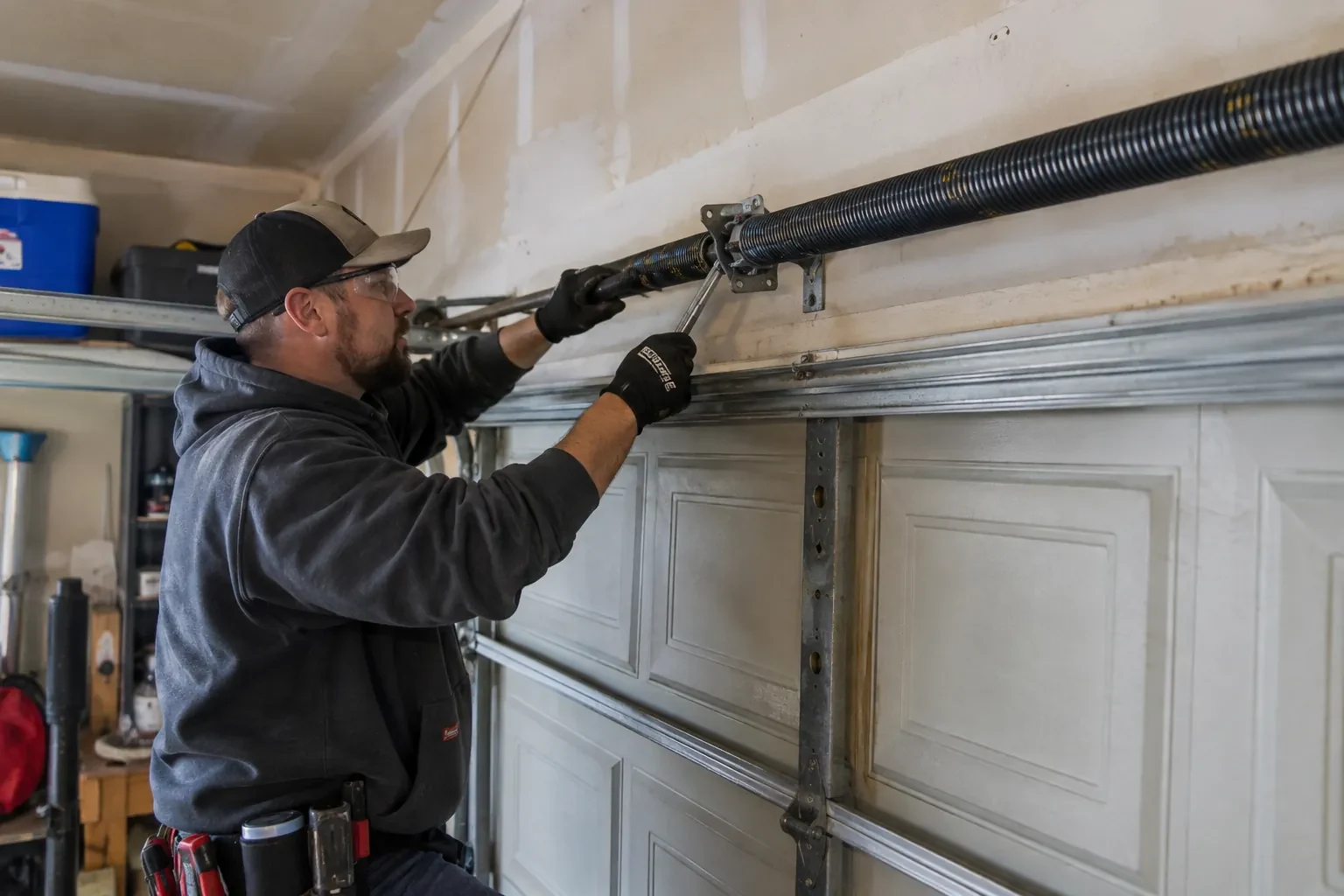
The release did its job; the weight is the door telling you its springs are no longer carrying it. A balanced door lifts with modest effort and holds still at about a metre. A heavy one needs the counterbalance looked at, which is work with winding bars for a technician trained for tensioned hardware. During the visit the door side is corrected first, then the release is put back into use on a door that lifts as it should.